Kyiv in winter: what to know before your trip
What to know before a winter trip to Kyiv.

Kyiv remains an active city throughout winter, with museums, theaters, restaurants, cafés, and public transport continuing to operate. At the same time, visiting during the full-scale war requires a little more preparation than a typical city break.
Before you arrive, it helps to know what to do during an air raid alert, how public transport may be affected, what to expect if there are power outages, and how the curfew works. You may not encounter all of these situations during your stay, but knowing the basics will make it easier to adjust if your plans change.
Before booking, check more than the location and price
When choosing a hotel or apartment, check whether there is a shelter in the building or nearby and whether the property has backup power. It is also worth asking in advance how the heating, water supply, elevator, and internet work during a power outage.
After checking in, walk the route to the nearest shelter once and make sure you know where the entrance is. Finding it for the first time at night during an air raid alert can be much more difficult.










How an air raid alert can affect your plans
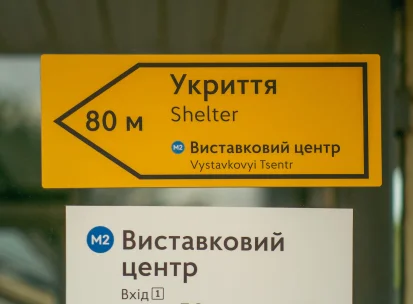
Russia continues to attack Kyiv with missiles and attack drones, so air raid alerts remain part of daily life in the city. When an alert is issued, go to the nearest shelter and remain there until the all-clear.
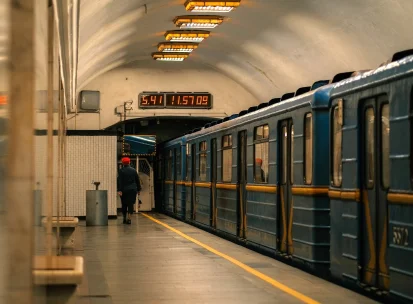
In Kyiv, 46 underground metro stations serve as shelters during air raid alerts. Other shelters can be found on the city map or in the Kyiv Digital app.
Avoid planning your day too tightly and leave some extra time between activities, especially before a train, performance, or another event that may be difficult to reschedule.


How public transport works during an air raid alert
During the day, metro trains continue to run on underground sections, while service on above-ground sections is suspended until the all-clear. This can make journeys between Kyiv’s right and left banks longer than usual.
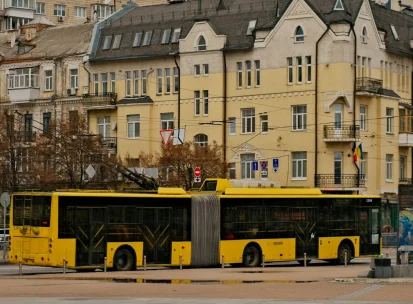
Surface public transport, including buses, trolleybuses, and trams, stops during an air raid alert. Passengers are asked to get off and proceed to the nearest shelter. Service resumes after the all-clear.
In case of disruptions to mobile service or navigation, download an offline map of Kyiv and save the address of your accommodation as text on your phone.


Power outages: what to have with you
Winter puts additional pressure on Ukraine’s power system, while Russian attacks can also cause local or longer power outages.
It is useful to have a charged phone, a power bank and cable, your ID, water, any essential medication, some cash, and, if needed, a small flashlight.
If an outage lasts longer, Kyiv has Points of Invincibility and warming centers where you can warm up and charge your devices. Check the latest locations and opening hours on the Resilience Map in the Kyiv Digital app.

Curfew: plan your evening in advance
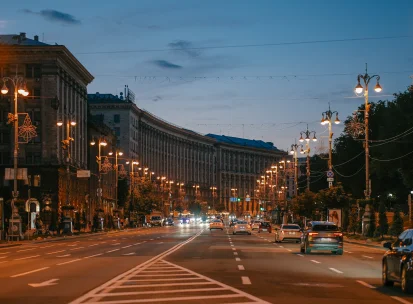
As of August 28, 2026, Kyiv’s curfew is in effect daily from midnight to 5:00 a.m. Plan your evening with enough time to return to your accommodation before it begins.
There are some exceptions during curfew, including for people returning home after a delayed train. Make sure you have a valid ID with you.
Wartime regulations can change, so check the current curfew hours and public transport arrangements again shortly before your trip.
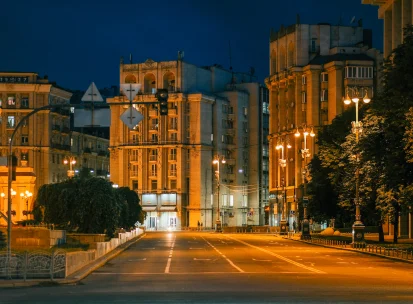
What to install on your phone
Two useful apps for a trip to Kyiv are Air Raid Alert and Kyiv Digital. Both are available in English. Kyiv Digital also provides city services, alerts, shelter information, and access to the Resilience Map.
It is also worth downloading an offline map of the city, the app for the transport service you plan to use, and a translation app with an offline Ukrainian language pack.
Before your trip, check official updates from the city authorities as well as the latest news from Kyiv and Ukraine.
During Russian attacks, do not photograph or share images of air defense operations, military facilities, military equipment movements, or the immediate aftermath of strikes. This is an important safety rule to follow while in Kyiv.
What to expect from Kyiv’s winter weather
Winter in Kyiv can bring freezing temperatures, wet snow, wind, and icy streets. For longer walks, dress in layers and choose warm, water-resistant shoes with good grip.
Warm gloves are also useful, and a thermos can come in handy on particularly cold days.
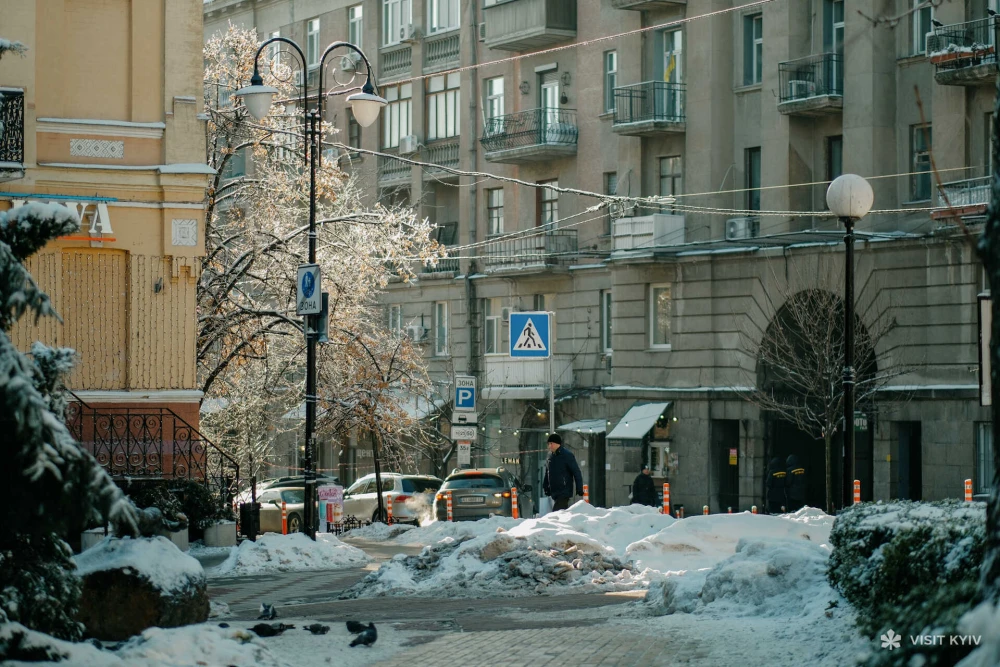
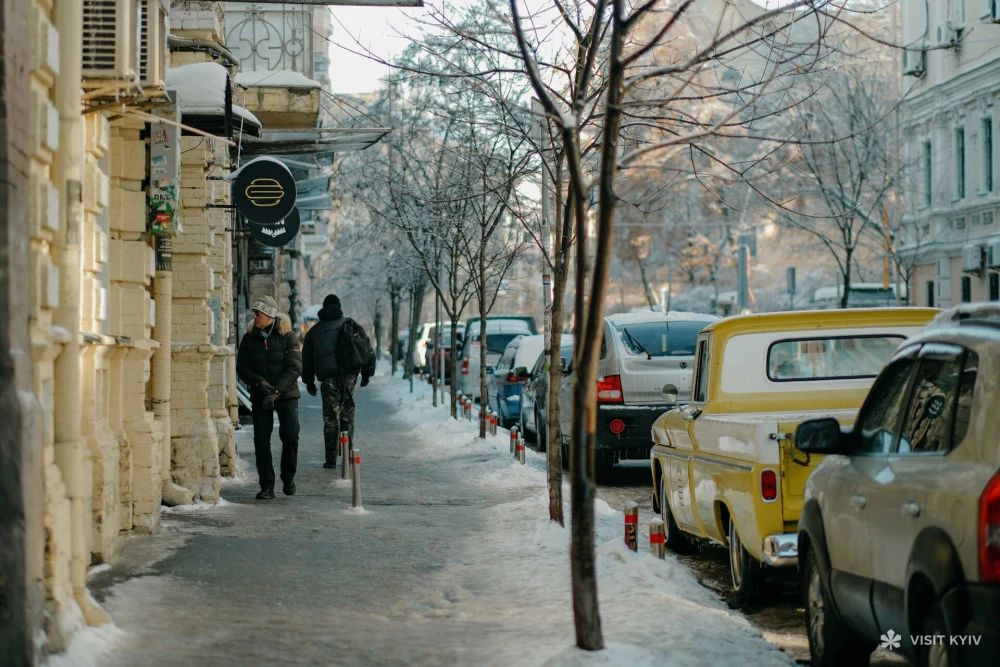
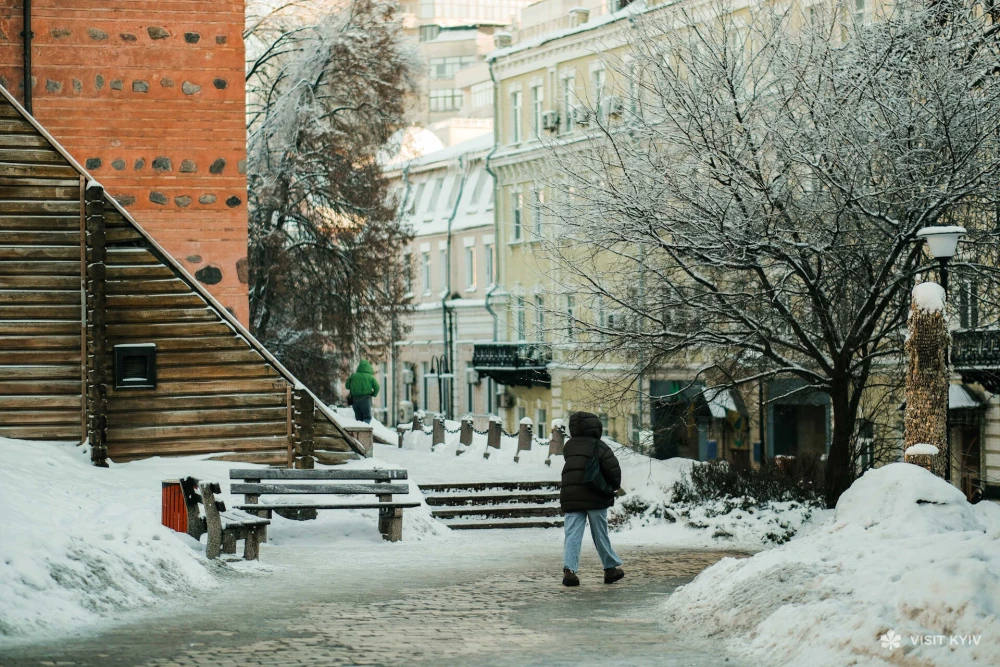

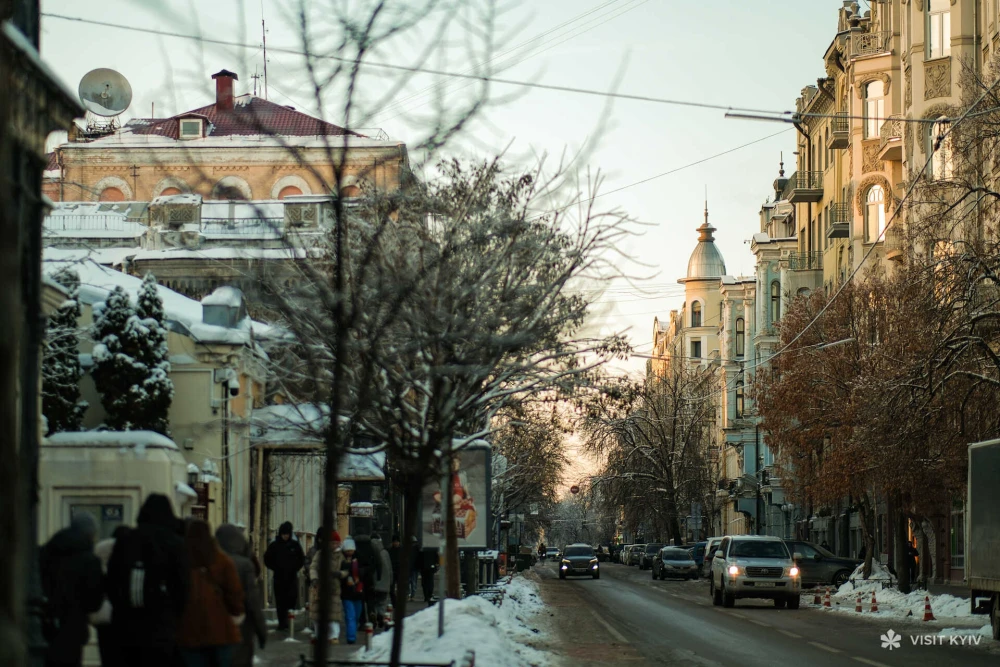

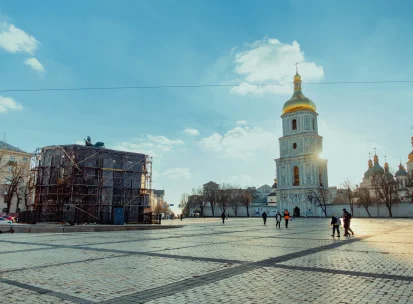
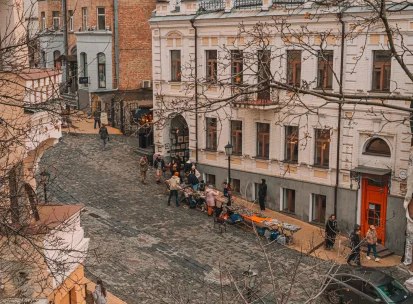
Museums, theaters, restaurants, and cafés remain open during winter, while Podil, Sofiivska Square, and Andriivskyi Descent remain popular areas for walking and exploring the city.

Should you visit Kyiv in winter?
That is a personal decision. Kyiv cannot be considered completely safe while the full-scale war continues, so check your country’s official travel advice for Ukraine before making the trip.
Kyiv continues to function and welcome visitors. Before you arrive, familiarize yourself with the basic safety rules, avoid planning your days too tightly, and leave some flexibility in your itinerary.