Kyiv shelter map: how to find the nearest shelter and what to bring
An interactive Kyiv safety map with 3,000 shelters and key information on every shelter type.
The Kyiv Shelter Map by Visit Kyiv is based on official data and includes nearly 3,000 shelters across the city. We created it to help you find a shelter nearby as quickly as possible and feel more prepared, especially if you’re new to Kyiv.
Simply allow access to your location, enter an address, or tap any place on the map — and it will show the nearest shelters and help you get directions.
Our map of Kyiv shelters works in Ukrainian and English, so it’s handy for visitors and locals alike.
The map shows the basics for each shelter: type, address, district, opening hours, phone number and wheelchair accessibility. But it doesn’t yet show what amenities are inside or where exactly the entrance is.
So before the first air raid alert, walk over to your nearest shelter and see it for yourself. Don’t hesitate to ask locals for help: people in Kyiv are always ready to lend a hand. We’ve also put together basic safety phrases in Ukrainian, with transcription, in our guide to basic Ukrainian phrases.
If you spot a shelter on the map that’s closed or in poor condition, please let us know, and we’ll remove it. We’d also love to hear your ideas for improving the map.
Kyiv shelters: types and things to know
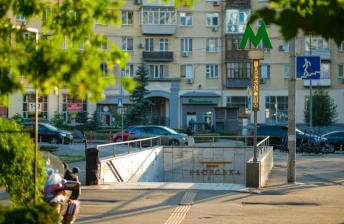
Kyiv has five types of air raid shelters: metro stations, underground parking lots, building basements, underpasses and mobile shelters. Here’s what to know about each.
Metro stations: the most reliable shelters
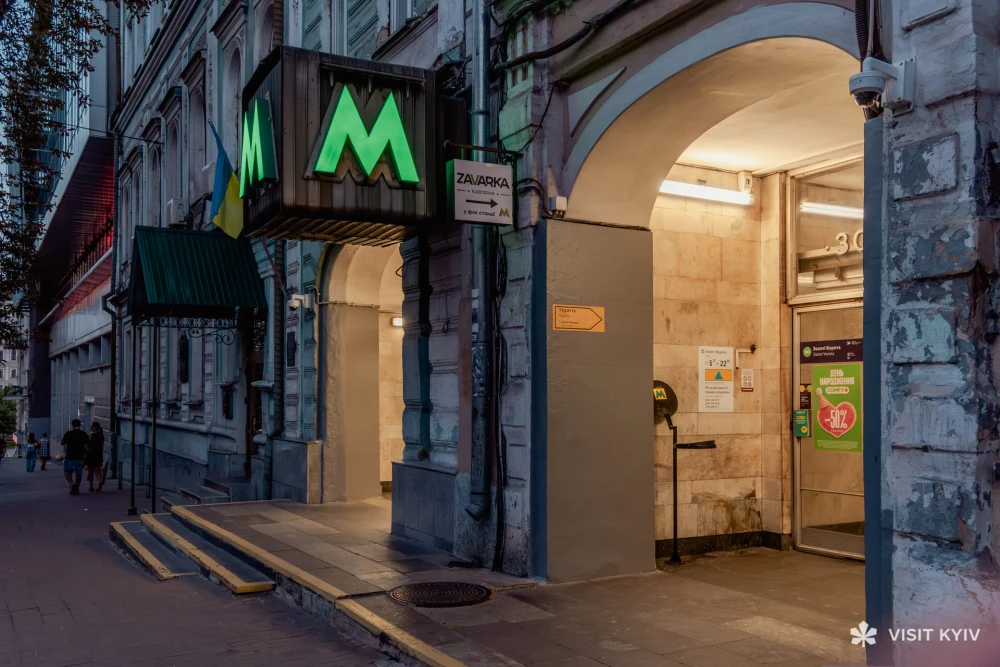
Locals trust metro stations most as shelters because they are deep underground and protect against drones and missiles better than any alternative. They’re also open around the clock.
Kyiv has 46 underground metro stations: 12 on the red line, 18 on the blue and 16 on the green. Six more stations on the red line are above ground, and they close during an alert.
Metro by day: easier to find a spot
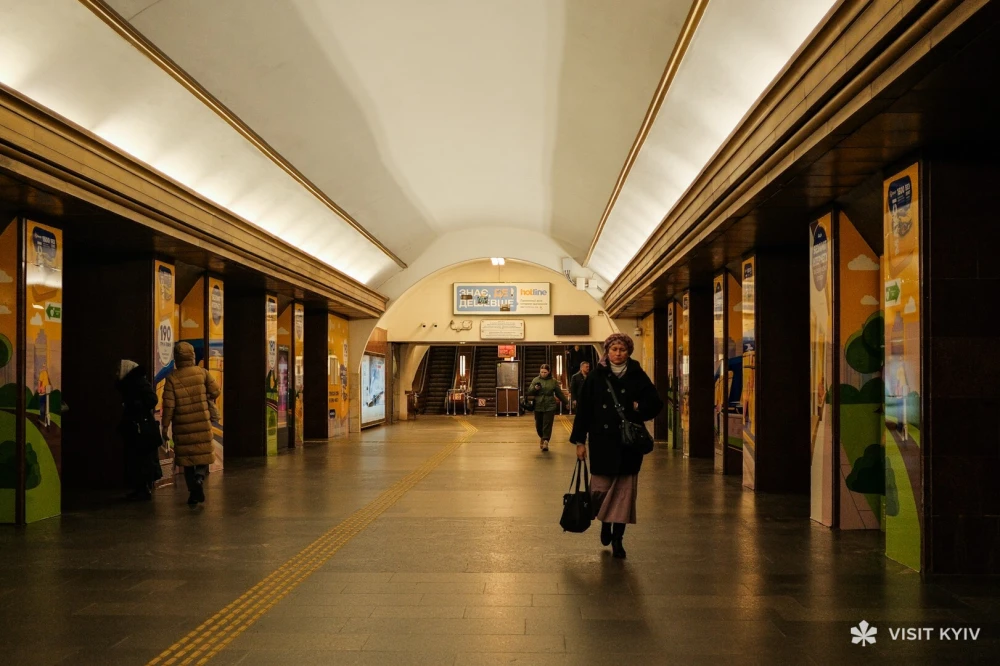
During the day, stations are not too crowded when the alert sounds, so there’s usually room for everyone. Trains keep running on the underground sections of the lines. On the green line, they also run on its above-ground section during a yellow-level alert.
You can wait it out:
- On the platform;
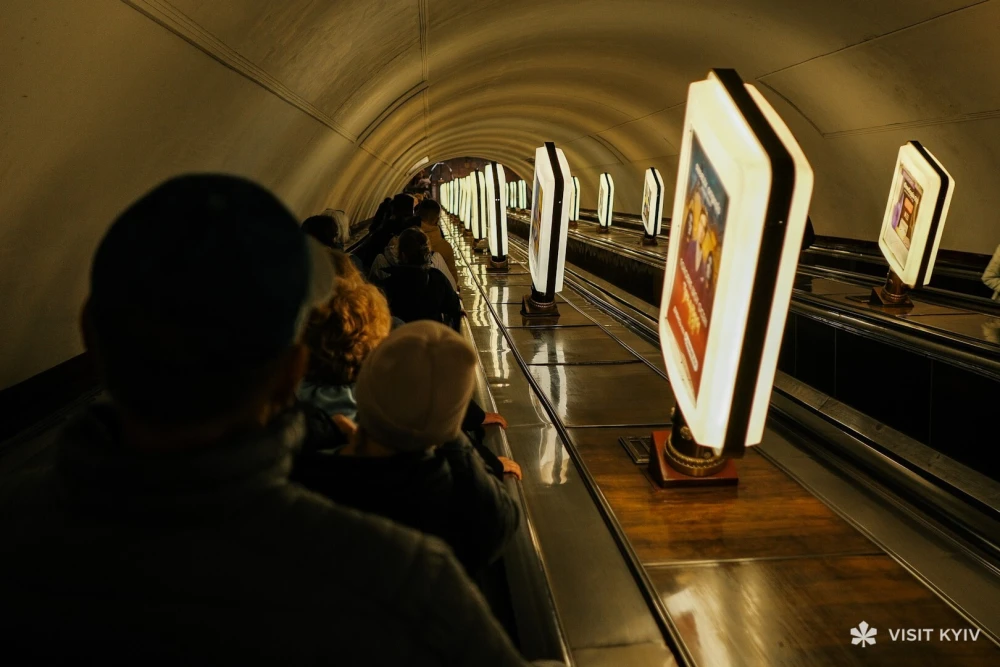
- on the mezzanine between escalators, if the station has two levels;
- in the lobby at the station entrance.
During an alert, metro staff usually bring out folding chairs to make people more comfortable.
Metro at night: crowded, arrive before closing
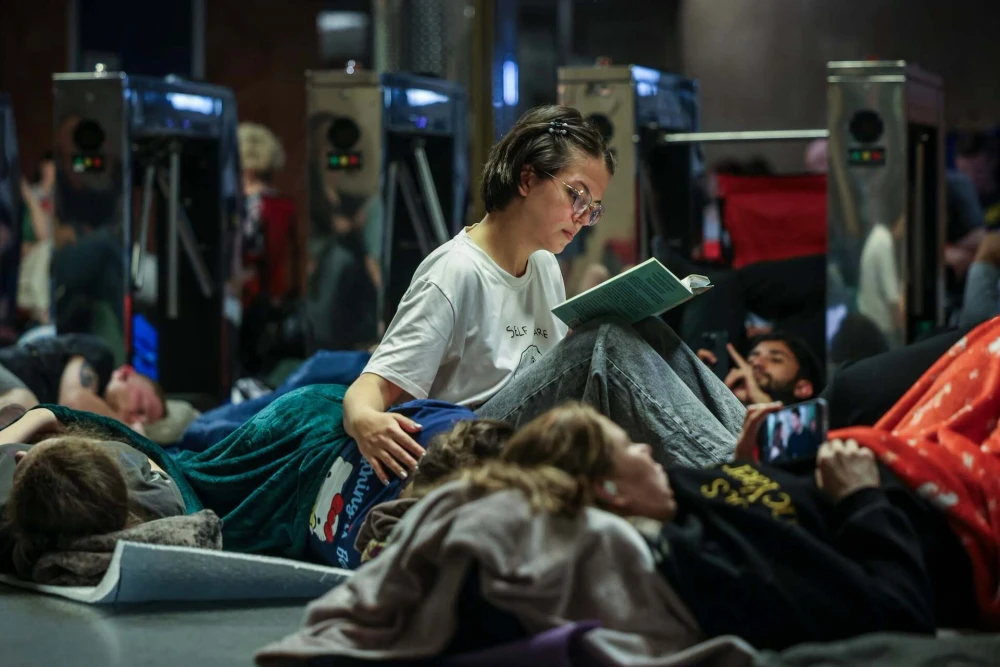
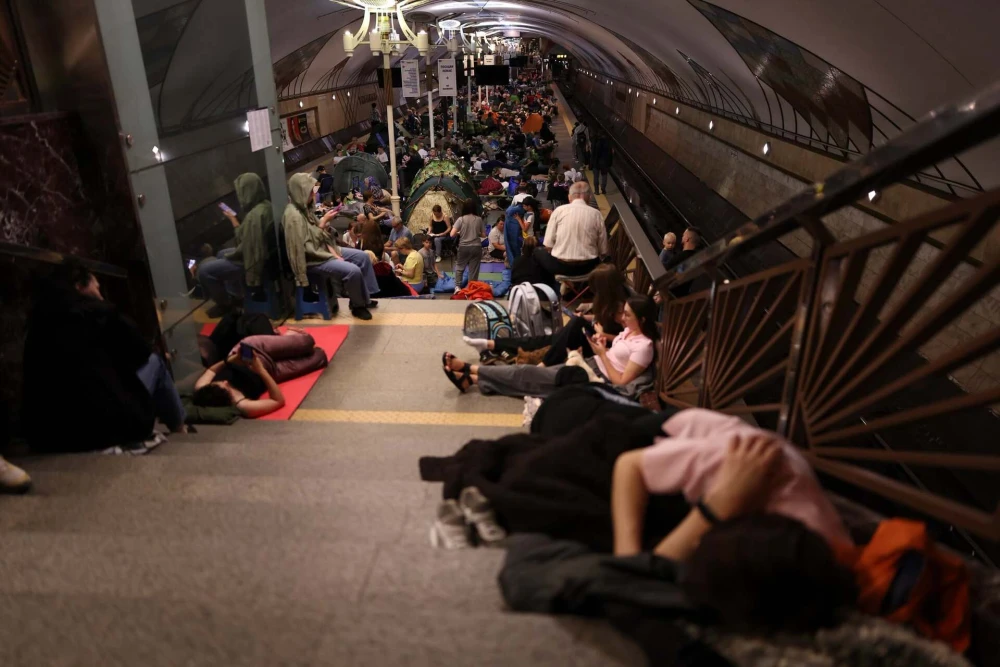
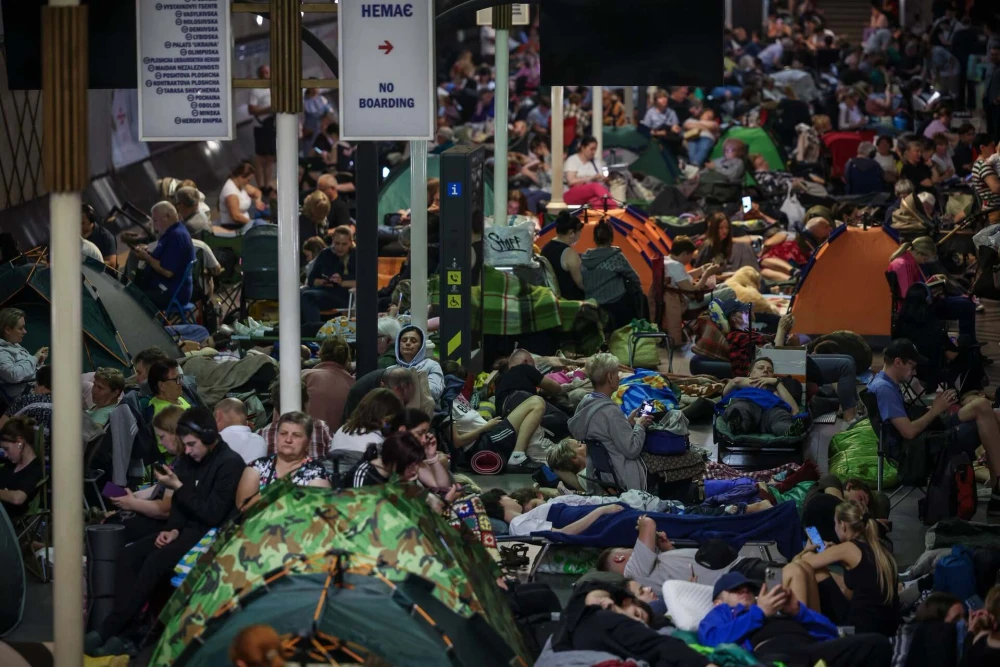
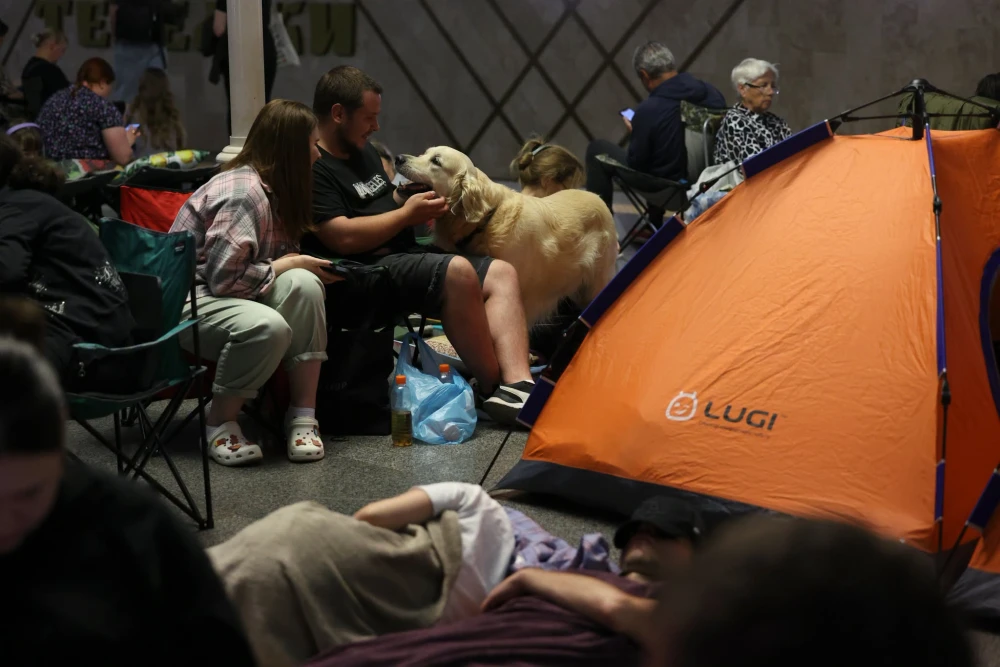
Nights are different, especially when a massive attack on Kyiv is expected. People head to the metro before it closes, at around 11:30 p.m., and settle in for the night: they spread out sleeping mats and sleeping bags, and some even set up tents.
On such nights, metro stations are usually packed. If you only arrive once the alert has started, you’ll probably have to make do with less comfort.
How to get into the metro during a night alert
At night, the metro lets people in only during an alert. If the alert has sounded and the station is closed, call one of the numbers on the information sign by the entrance and someone will open the door.
Underground parking lots: also reliable, but not all are available
Underground parking lots are mostly found in shopping centers and new apartment buildings. They work well as shelters: they’re underground, and you can sit fairly comfortably in your car.
However, not every underground parking lot in Kyiv is required to let people in during an alert. The Visit Kyiv map marks only the ones that have official agreements with the city.
Private parking lots without such agreements decide for themselves during attacks: some let everyone in, some admit only residents of the apartment complex they belong to, and some let nobody in.
Basements: the most numerous, but conditions vary
During shelling, Kyiv residents often take cover in the basements of apartment blocks and schools. These are the most numerous Kyiv bomb shelters, but also the least predictable when it comes to conditions and opening hours. It all depends on the particular shelter:
- Some have been renovated and have a toilet and even Wi-Fi, while others lack decent lighting or even seats;
- some have electronic locks that open automatically during an alert, while others may be locked for no reason.
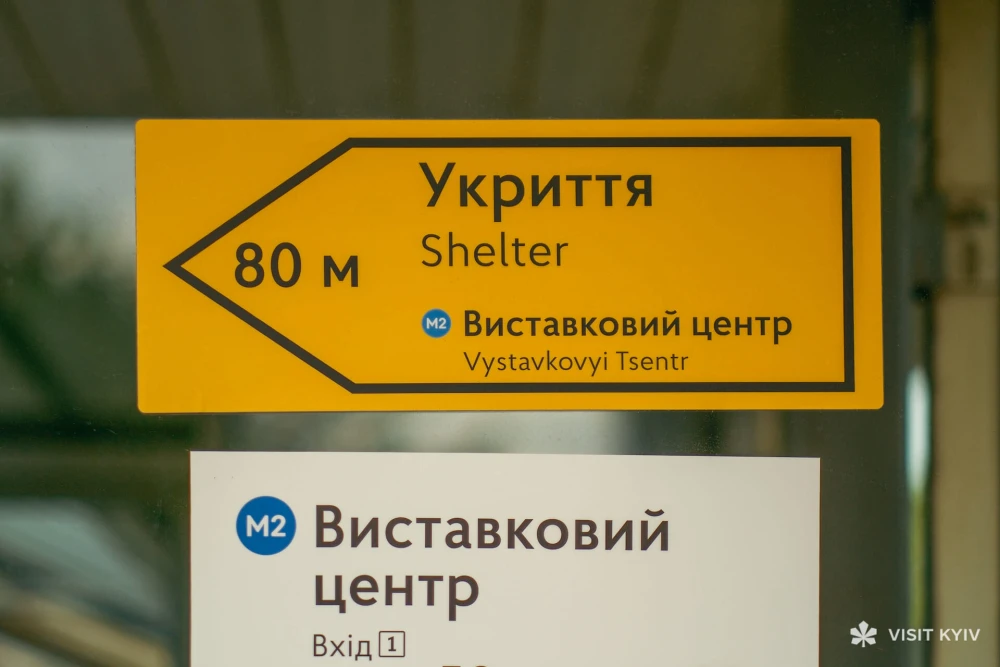
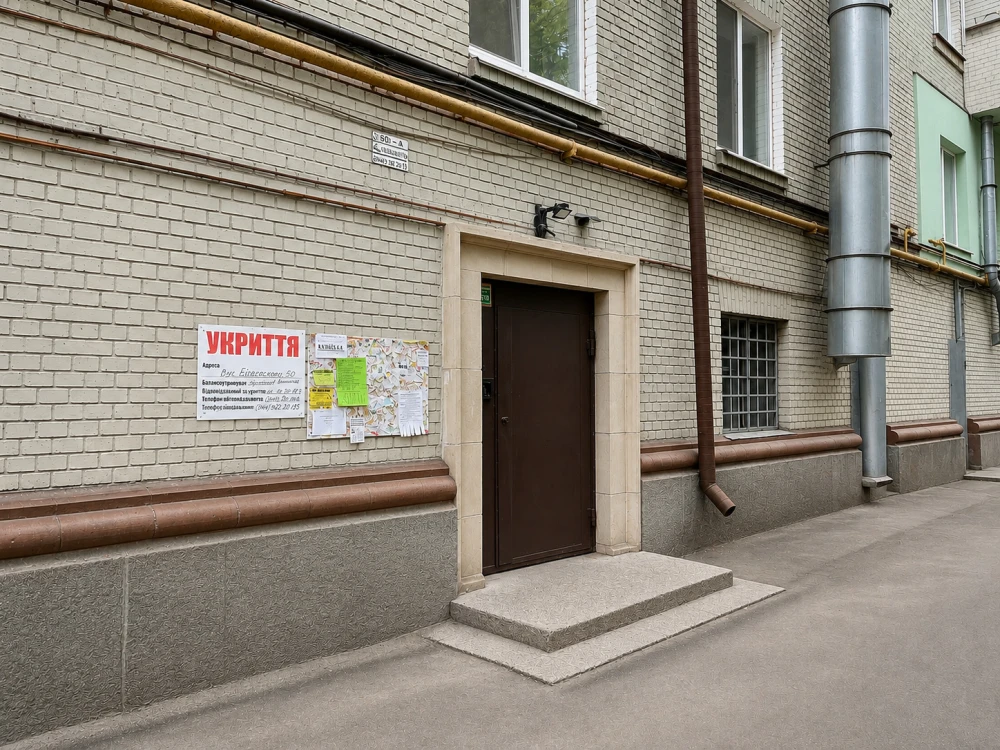
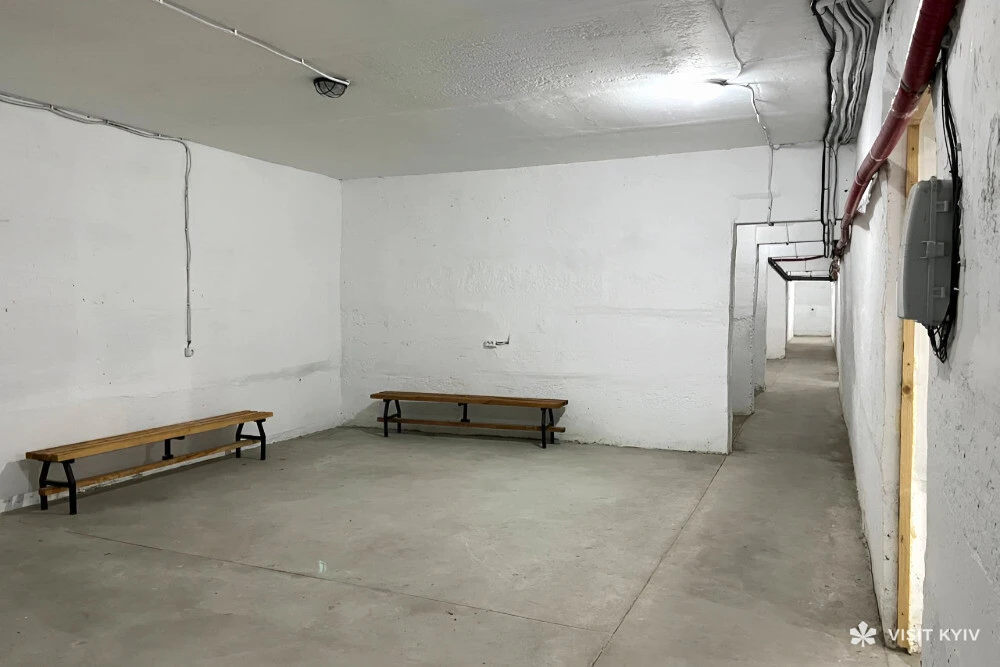
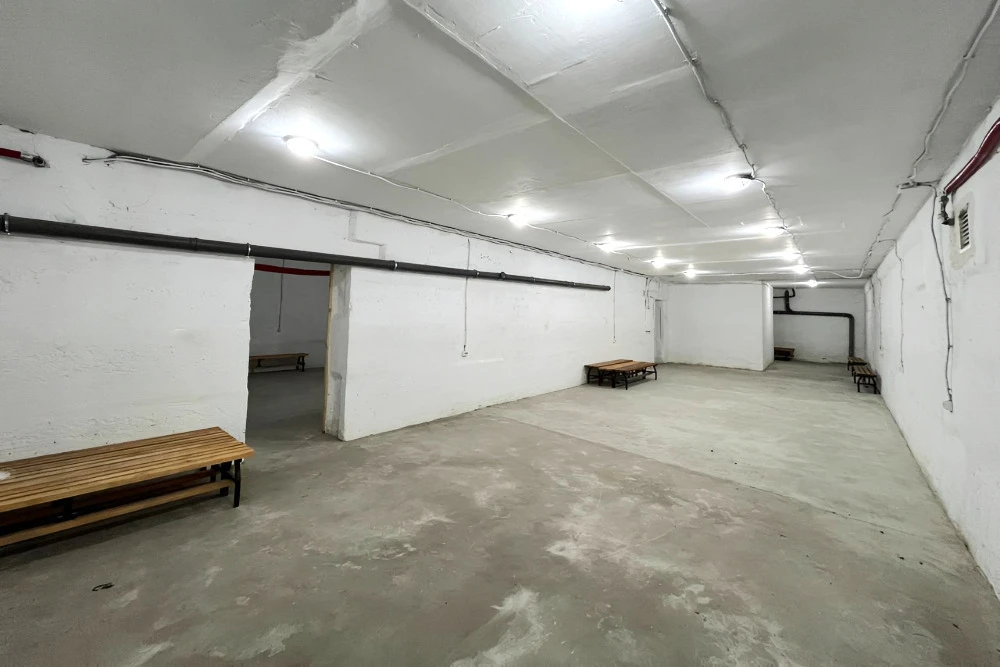
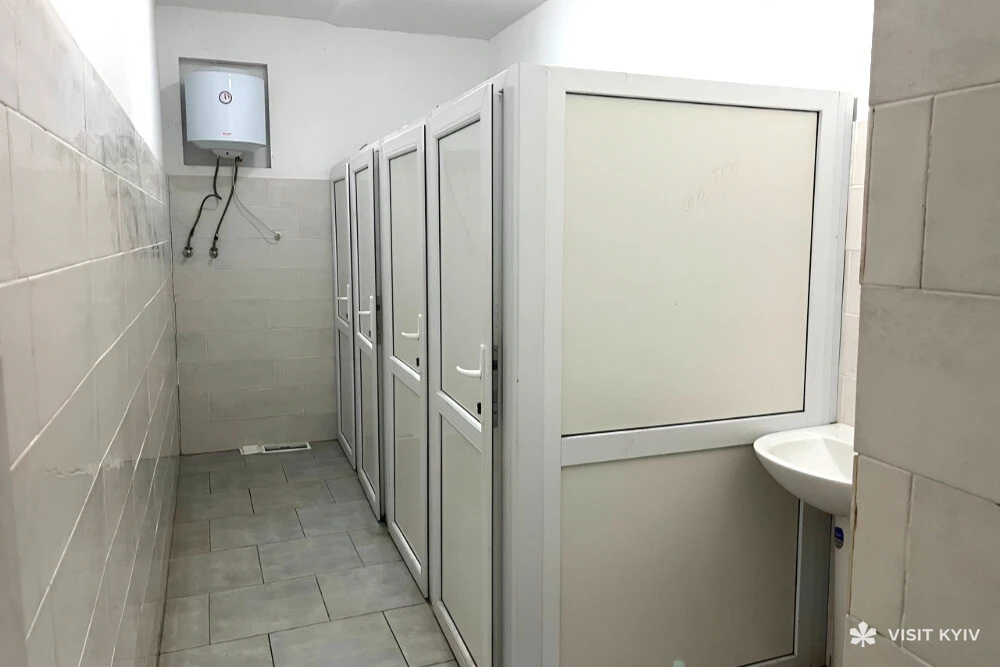
So if basements are the only shelters near you, pick a few of the closest and check them out in advance. That way you’ll know where to go when danger strikes and what to bring.
Underpasses: often the closest and always open
An underpass may not look like a reliable shelter, but it’s often the most accessible shelter nearby, especially when you’re out in the city and an attack catches you by surprise.
Underpasses are near most public transport stops along big avenues, on squares and at busy intersections. They’re always open and can protect you from debris at least. So if there’s no metro station, parking lot or basement close by but there is an underpass, wait out the danger there.
On the other hand, an underpass is a poor choice during massive attacks that last all night, especially in cold weather. For those cases, it’s better to know where the nearest indoor shelter is.
Mobile shelters: only one so far
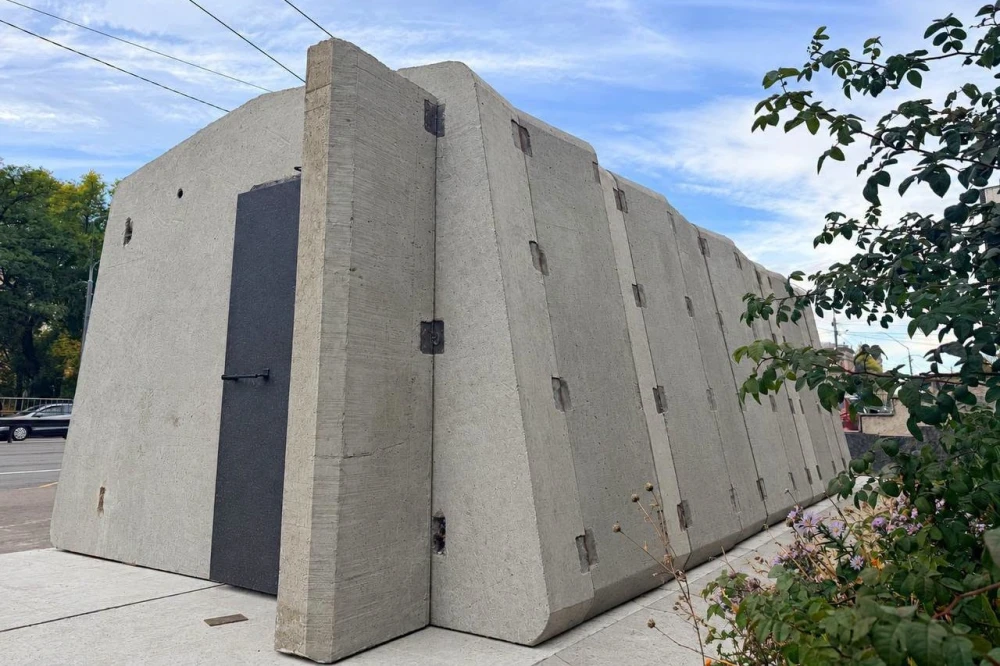
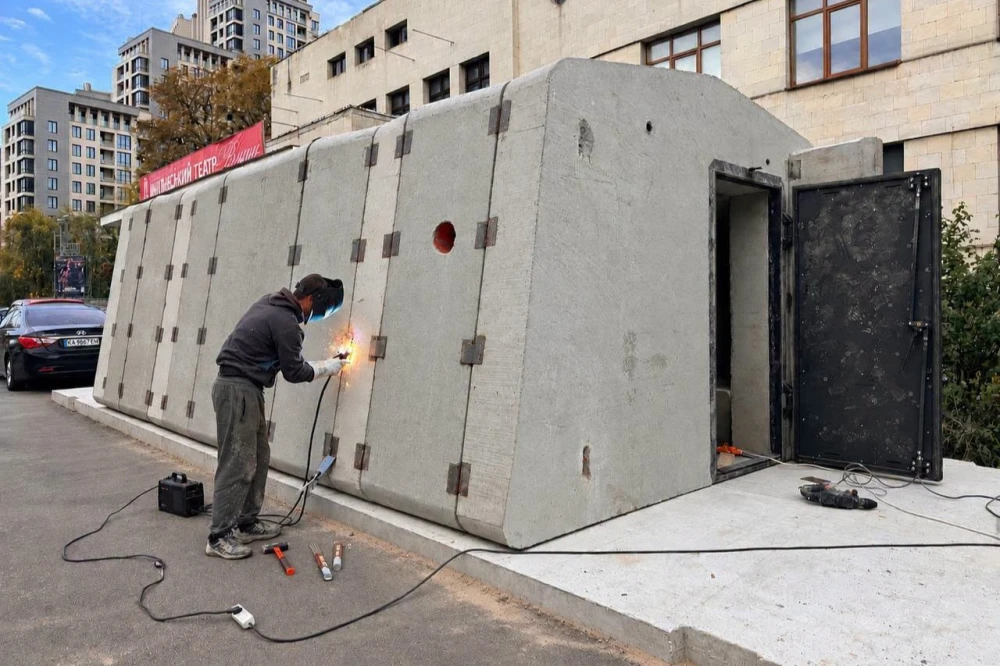
As of late October 2026, Kyiv has just one mobile shelter, an 8-minute walk from Shuliavska metro station. It’s a concrete structure with 10 seats and room for wheelchair users.
What to bring to a shelter
Here’s a basic kit for a freezing winter night in a shelter. Adjust it to the weather, your own needs and the conditions in your shelter.
- Water: at least half a liter. Some shelters have drinking water, but most don’t.
- Food: nuts, dried fruit, protein and energy bars, jerky, baby food pouches and the like.
- Medicines you take regularly, plus basics like an over-the-counter painkiller. Ideally, a full first-aid kit.
- Documents: your passport above all. Ideally, keep all important papers (tax ID, children’s birth certificates, marriage certificate, property documents, diplomas and so on) in one folder and take it to the shelter with you at night.
- Cash savings, if you keep any at home.
- Phone.
- A charged power bank and the right cables. Some shelters have sockets, but never enough for everyone who needs to charge their devices.
- Warm clothes. Even if you’re dressed warmly, bring an extra sweater. Most shelters aren’t heated, and you’ll feel colder as time passes because you’re sitting still.
- A sleeping mat or sleeping bag and an inflatable pillow for a reasonably comfortable sleep.
- Hand warmers.
- Earplugs and a sleep mask. A shelter can be bright and noisy, and these little things help you get a bit more rest.

We've also prepared a free checklist of things to bring to a shelter. Print it or open it on your phone so you don't forget anything when you have to pack in a hurry.

How to behave in a shelter
In general, act as you would in any public space. The main thing is everyone's comfort, so:
- Stay calm and keep the noise down. Use headphones for music and keep phone calls short and quiet. Also avoid reading out news about missile movements from Telegram channels or Ukraine's air alert map: it can raise tension and stop people from relaxing, even a little.
- Be considerate with space and resources. For example, don't pitch a big tent if you're on your own, and don't take the only socket for the whole night. It's not forbidden, but it's inconsiderate toward others.
- No smoking or alcohol.
Can you bring a pet to a shelter
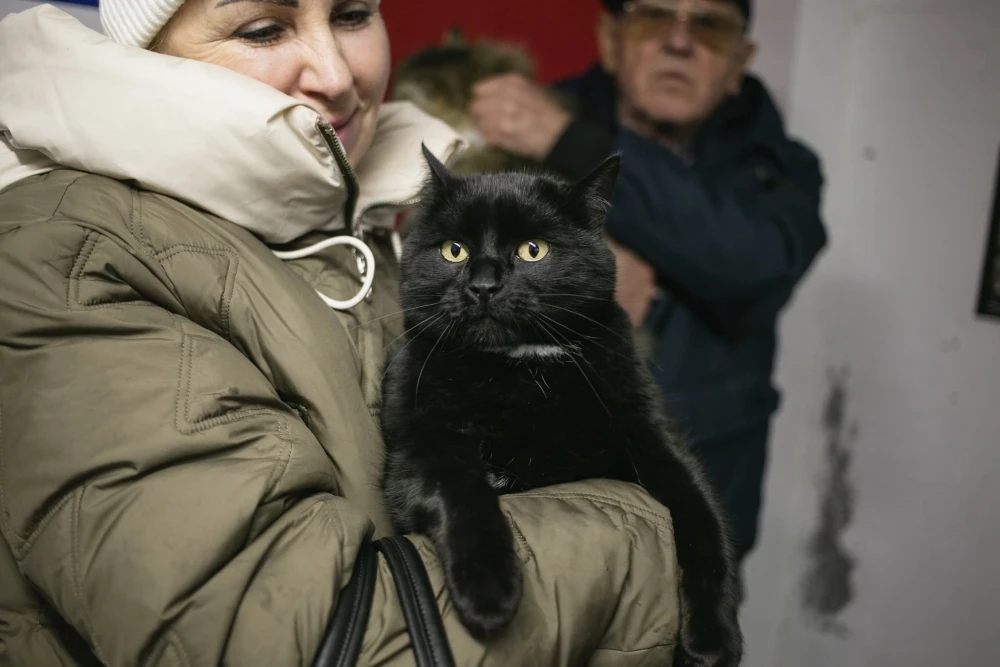
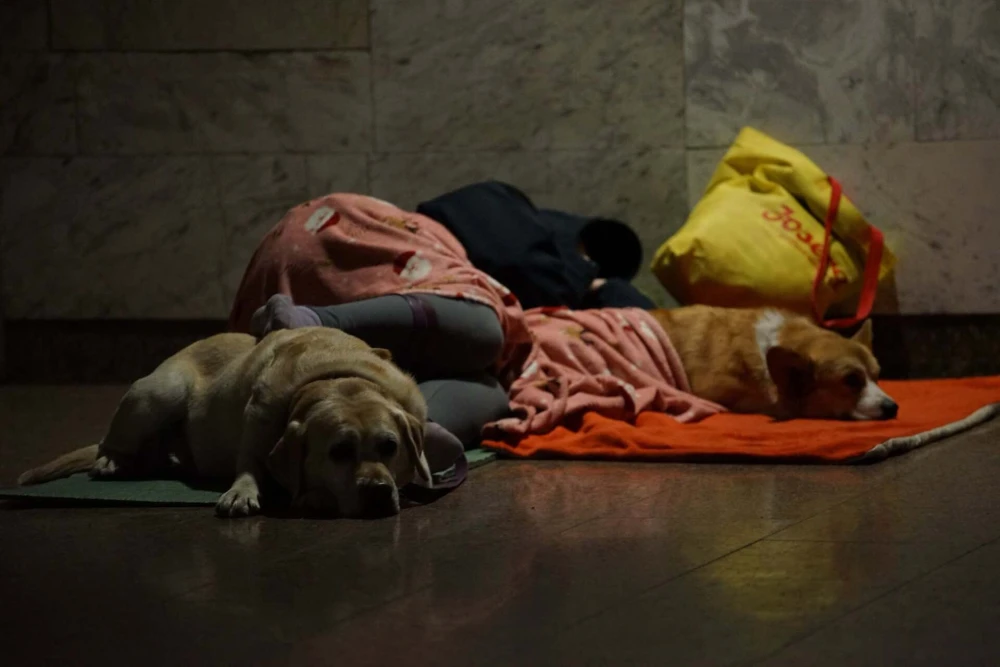
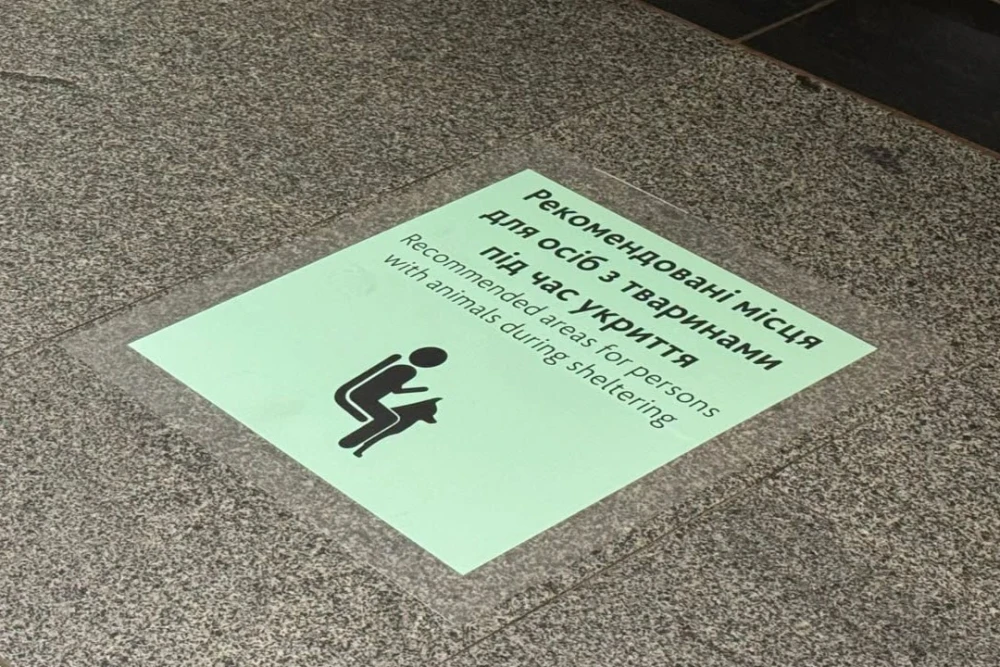
Yes, you can. Syrets metro station has even set up special zones for visitors with pets on a trial basis.
If you bring a pet, think about its comfort first. For example, pack:
- A carrier your pet feels comfortable in;
- food, water and favorite treats;
- a litter box or puppy pads, and cleaning supplies;
- any medication your pet needs;
- your pet's documents;
- anything else that usually calms your pet or helps it stay safe around the space and other people, such as a favorite toy, a bed or a blanket;
- and a muzzle, if the law requires one for your dog's breed.

Stay close to your pet and keep an eye on it. Loud noises, stress and crowds of strangers can change an animal's behavior a lot, so owners should be alert and ready to react.
What to do if you're refused entry with a pet
If a shelter won't let you in with a pet, you have the right to complain to the police at 102 (free of charge), because this breaks the law. But don't waste time arguing. Head to the next nearest shelter as quickly as you can. Once you're safe, call 102 and give the address of the shelter that turned you away.
What to do if the shelter is closed
It's best to avoid this situation in the first place. If you've just arrived in Kyiv, do this before the first alert:
- Find several shelters near the places where you'll spend the most time;
- call them (the numbers are on our shelter map) to double-check opening hours and facilities;
- go there and locate the entrance in advance.
If you still end up at a locked shelter door during an alert, follow these steps:
- Check quickly for a contact number near the entrance and take a photo of it.
- Take cover in the nearest underpass or building (a shop, a stairwell) and stay away from windows. The key thing is not to stay out in the open, which is dangerous.
- From your temporary cover, call the shelter and ask them to let you in.
- If nobody picks up, find a few more shelters nearby on our map (the numbers are listed there), call them and look for one that's open.
- Only if you've confirmed that an open shelter is just a few minutes' walk away should you try to move there during a lull. We don't firmly recommend this, because being outside during shelling is dangerous, so judge your own condition and your ability to make rational decisions under stress.
Common questions about Kyiv shelters

The Visit Kyiv shelter map helps you find the nearest bomb shelter in Kyiv. It shows shelter locations closest to your geolocation, a specific address or any point you pick on the map. You can plan a route to each one. For now, the map works only when you’re online.