


A walking route through the history of Ukrainian independence in Kyiv
A walk through the symbolic places of Kyiv that shaped Ukraine’s independence.

Ahead of Independence Day, we wanted to look beyond a single date and explore a story that began long before 1991. August 24 was a defining moment, but Ukraine’s path to independence began much earlier and continues today — through the struggle for sovereignty, civic choice, culture, memory, and the right to shape its own future.
In Kyiv, you can see traces of this history simply by walking through the city — in medieval landmarks, Soviet-era buildings, sites of revolution, memorials, and contemporary cultural spaces. That’s why we created this self-guided route, taking you from the Golden Gate and Reitarska Street through St. Sophia Square, Mykhailivska Square, Ukrainian House, Maidan, and Khreshchatyk, before ending at the Franko Theatre.
We developed this route together with Viktoria, a Kyiv-based vintage guide and lecturer, to explore familiar places through the history of Ukrainian independence.
Route Format
- Type: self-guided walking route
- Estimated time: 1–1.5 hours without long stops
- With stops at Vesuvio, Sens, or an exhibition at Ukrainian House: up to 3–3.5 hours
- Distance: around 4 km
- Start: Golden Gate
- Finish: Ivan Franko Square, near the Ivan Franko National Academic Drama Theatre
- Google Maps: route
Most of the route follows central city streets. Around Mykhailivska and European Squares, and on the way to the Franko Theatre, expect some slopes and stairs.
The route is also available with an audio guide in Ukrainian and English, so you can explore it at your own pace and listen to each story where it happened.
What This Route Is About
This is not a chronological tour. Instead, Kyiv itself becomes a way to read Ukraine’s history.
The Golden Gate and St Sophia’s Cathedral take you back to the roots of Ukrainian statehood. Reitarska Street and Vesuvio show how everyday life changed after Ukraine regained independence. Mykhailivska Square, Ukrainian House and Maidan bring the story into the era of civic resistance, revolution and the ongoing war. The final stops turn to contemporary Ukrainian culture and the ways it continues to shape the city.
Together, these places show independence not as a single moment in 1991, but as an ongoing story that is still unfolding in Kyiv today.
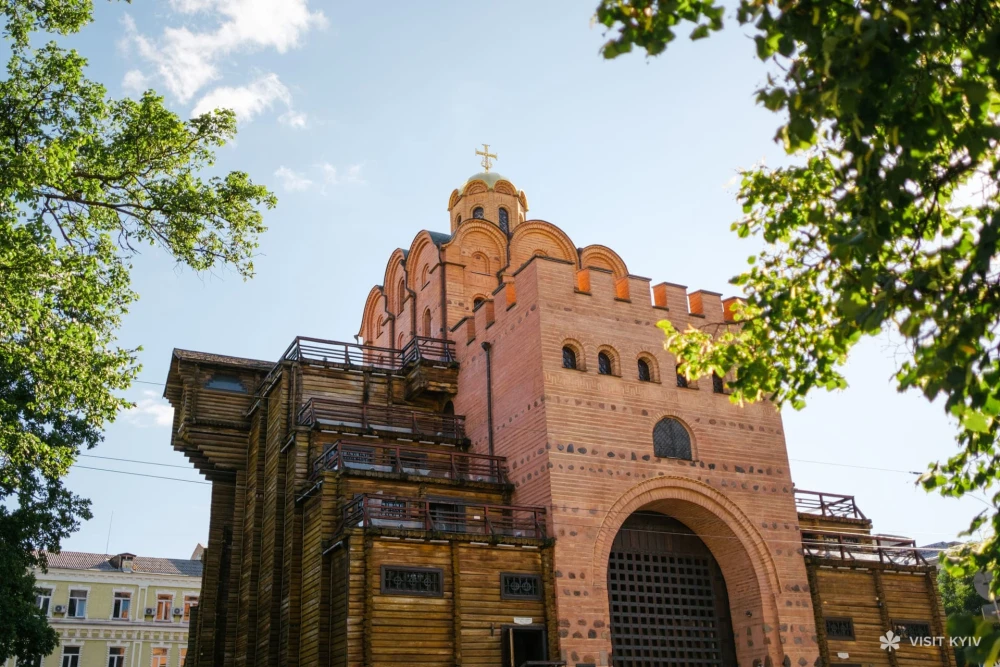
1. Golden Gate: What Remains of a City When Its Walls Disappear?
Today, you can step out of Zoloti Vorota metro station and find yourself in the heart of Kyiv. Nearly a thousand years ago, this was one of the main entrances to the city.
The Golden Gate was one of Kyiv’s principal gateways during the reign of Yaroslav the Wise. Ambassadors, merchants, pilgrims and travellers passed through it. It formed part of the city’s defences, but it also reflected Kyiv’s status as the capital of a major medieval state.
That makes it a natural place to begin: close to where people once entered the city itself.
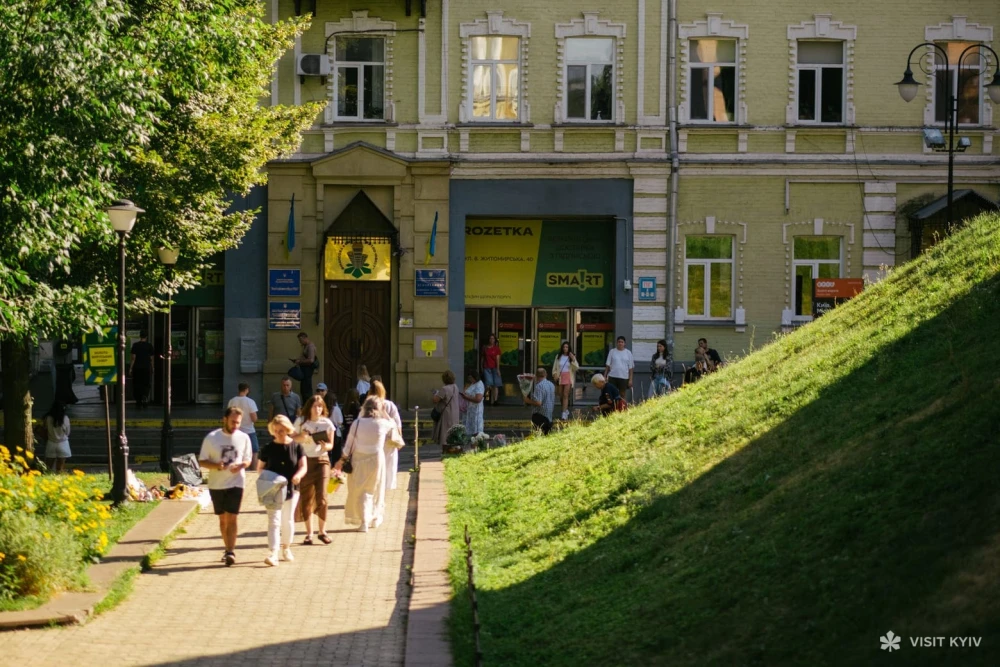
What to See
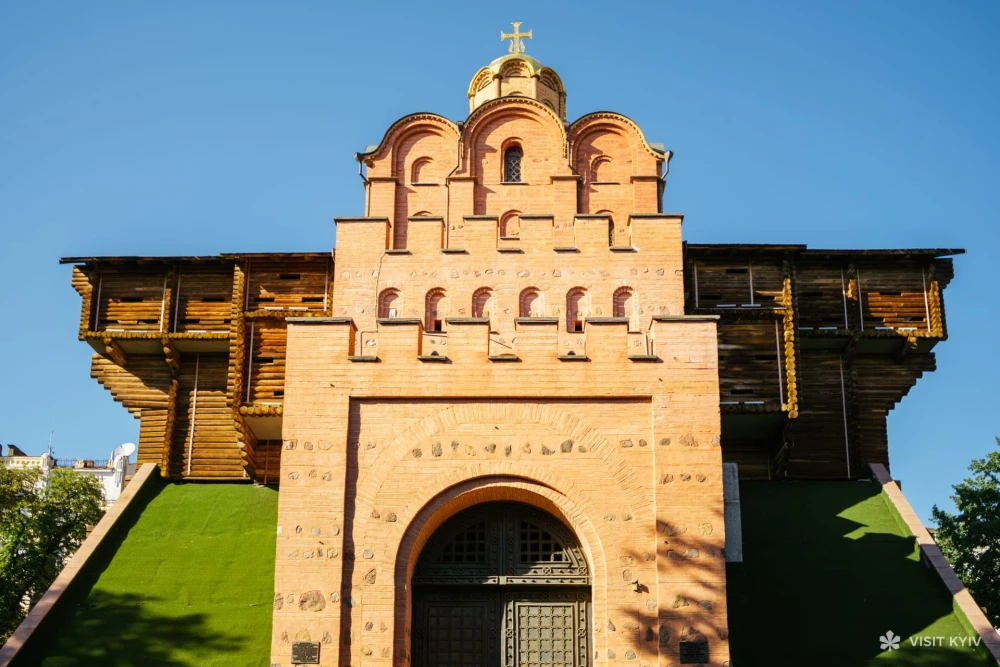
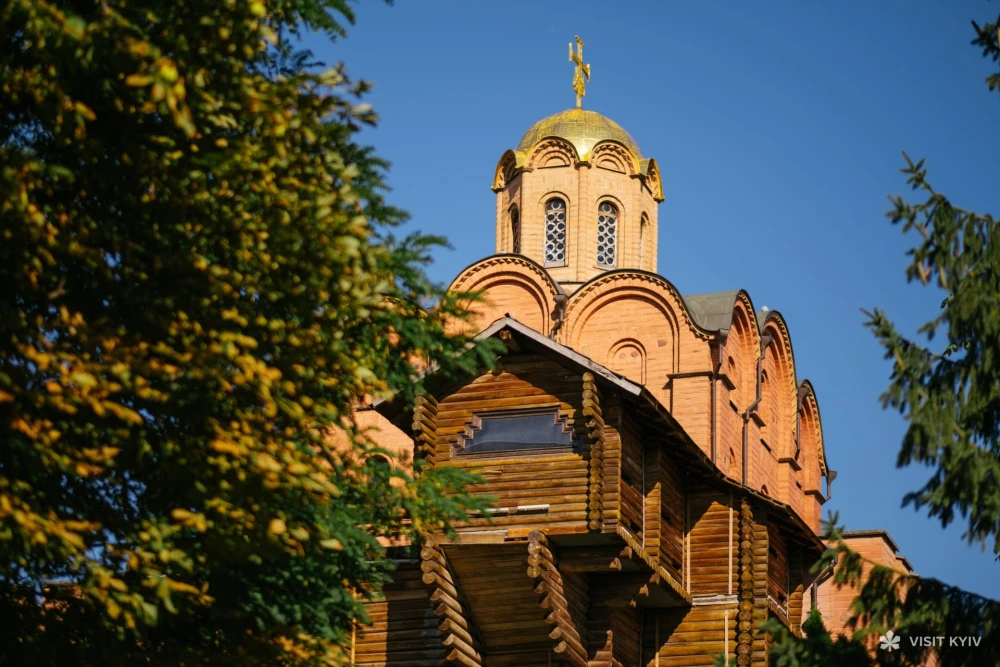
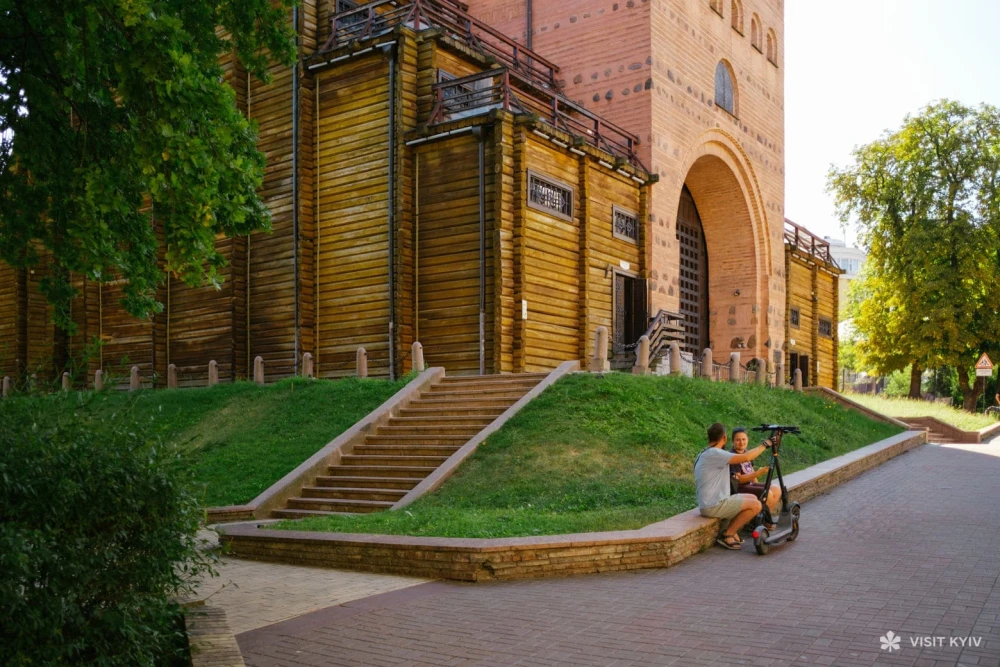
What stands here today is not a fully preserved 11th-century gate. The original structure gradually fell into ruin, and in 1982 a reconstruction pavilion was built around the surviving remains.
Look closely, and you can see where the modern structure meets the ancient masonry. If the museum is open, you can also see original fragments inside.
The Golden Gate is a useful reminder that the past rarely survives intact. Sometimes what remains is a fragment, a reconstruction, and the memory attached to a place.
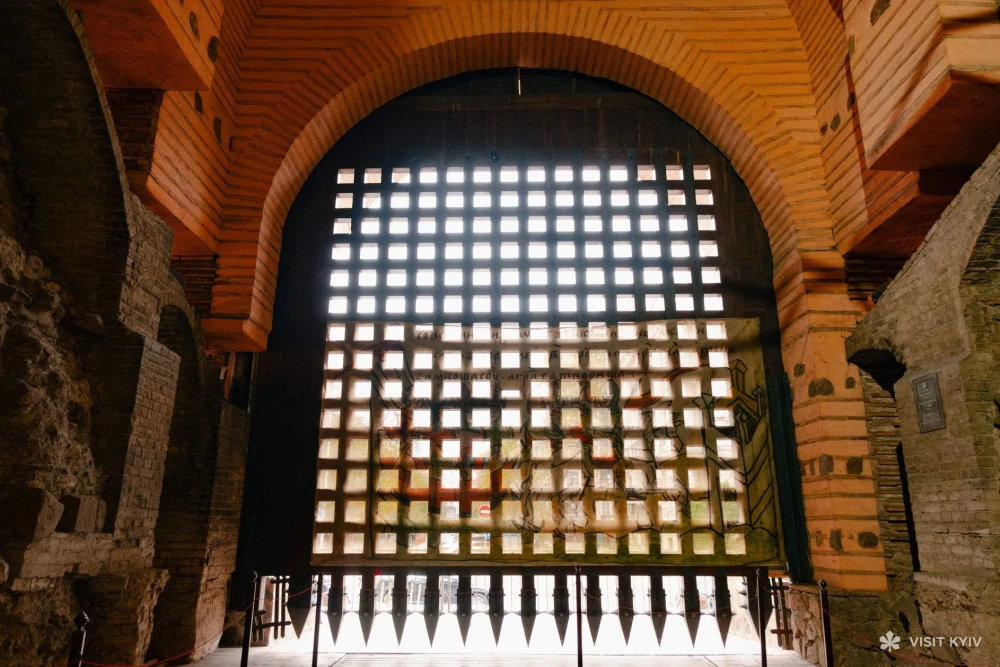
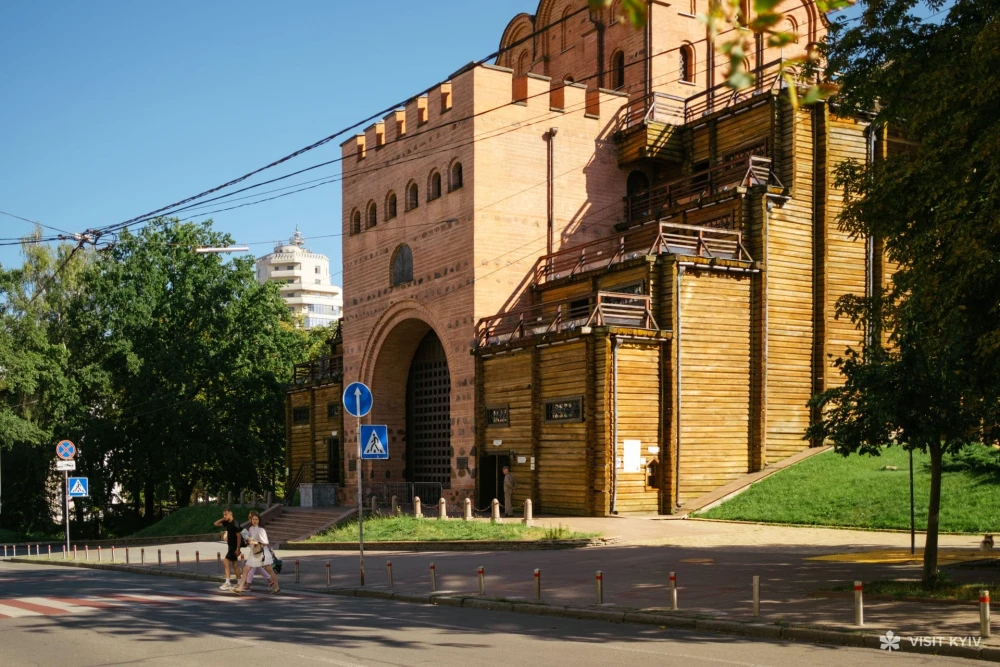
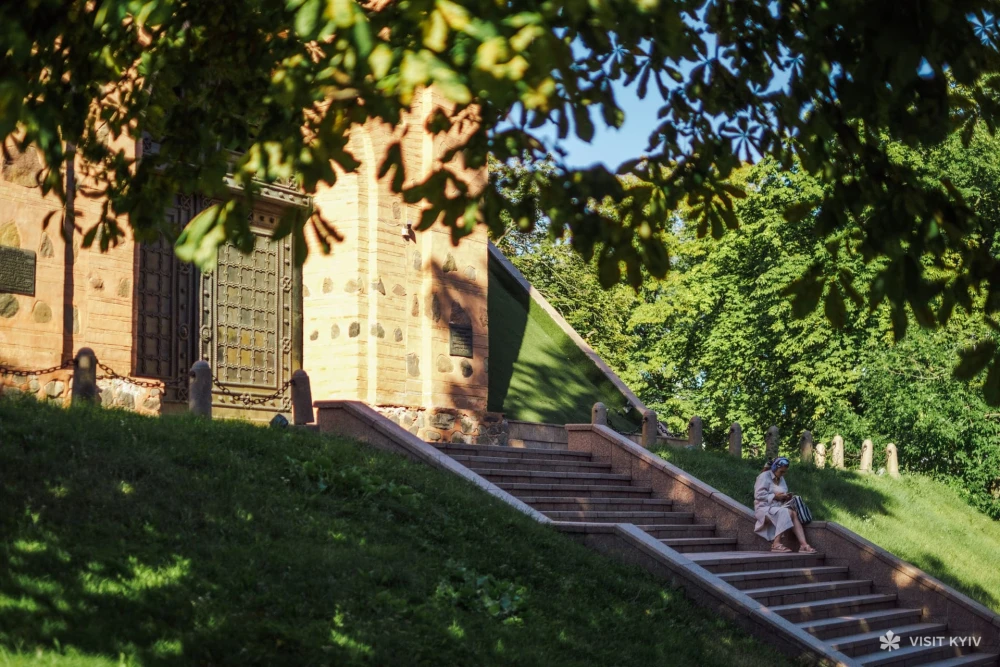
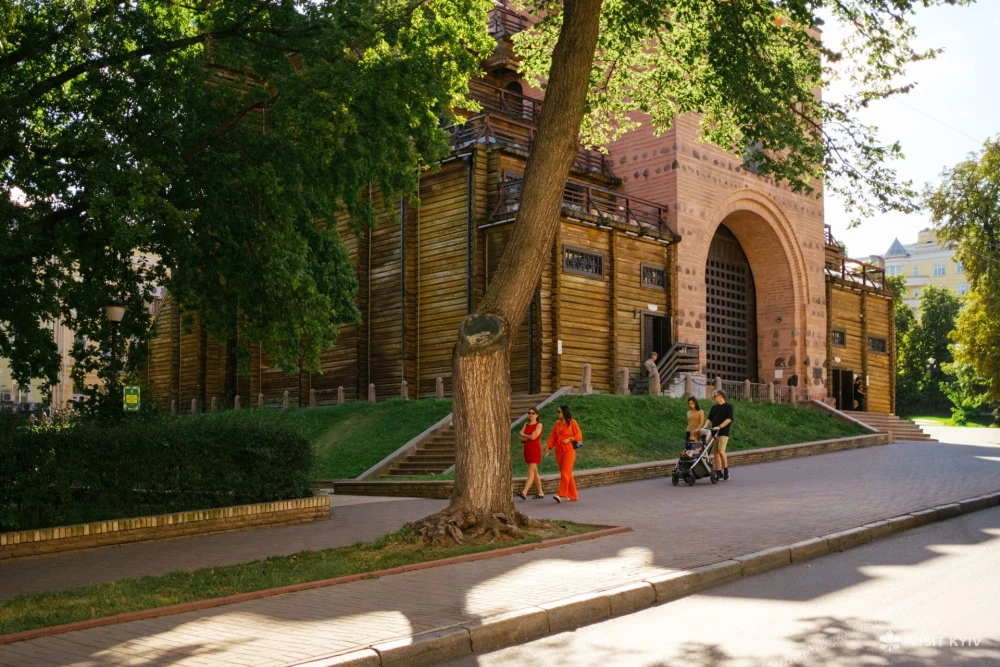
The name Golden Gate is linked to the Golden Gate of Constantinople. Although only parts of Kyiv’s original gate survive, the name still lives on in the city — in the landmark itself, the metro station and the surrounding neighbourhood.
Next
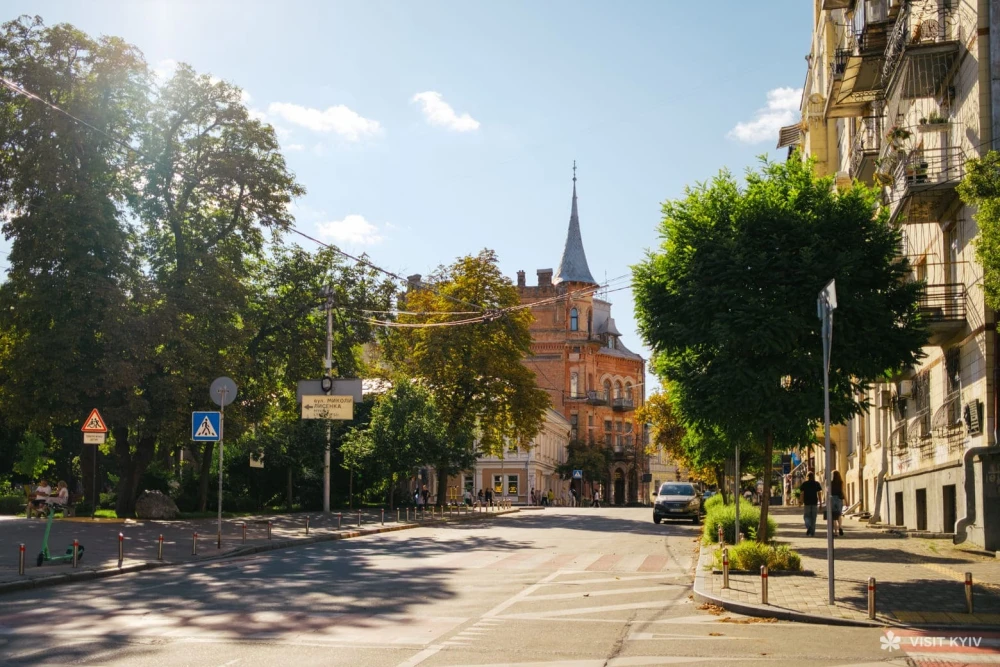
From the Golden Gate, follow Zolotovoritska Street and then turn onto Reitarska Street. On the way, look out for the historic Yevhen Ivanytsky estate, now home to contemporary showrooms.
2. Reitarska: Where Old Kyiv Meets the City Today
What does everyday life look like on one of Kyiv’s historic streets?
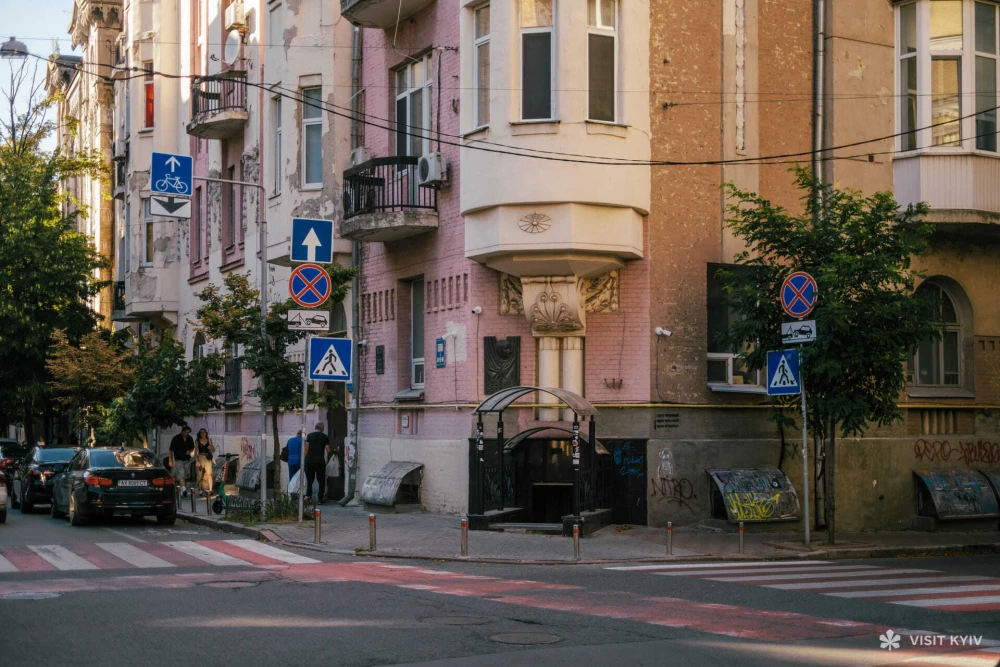
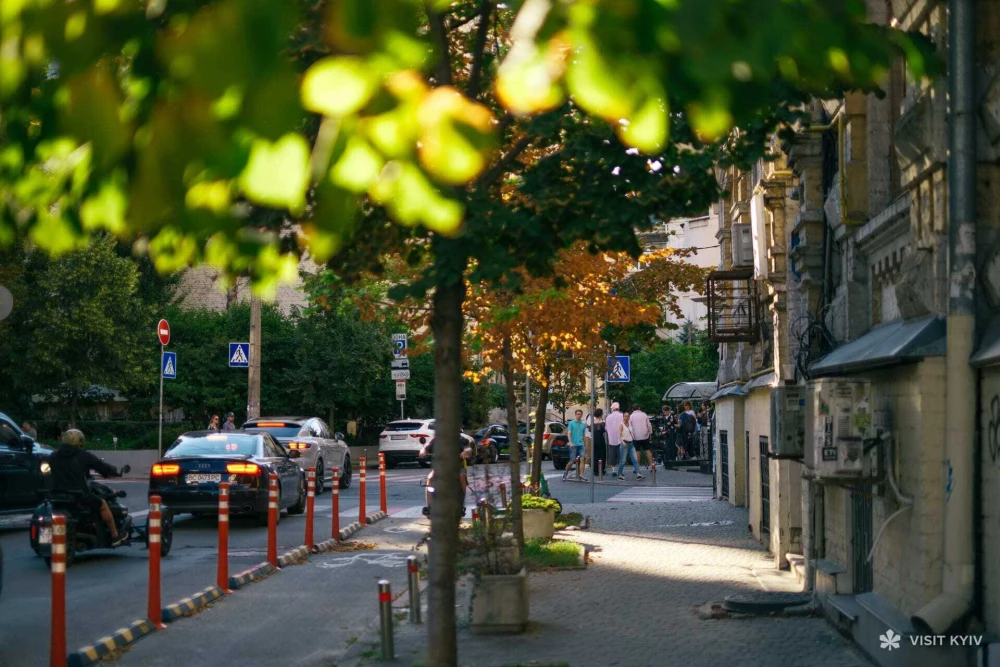
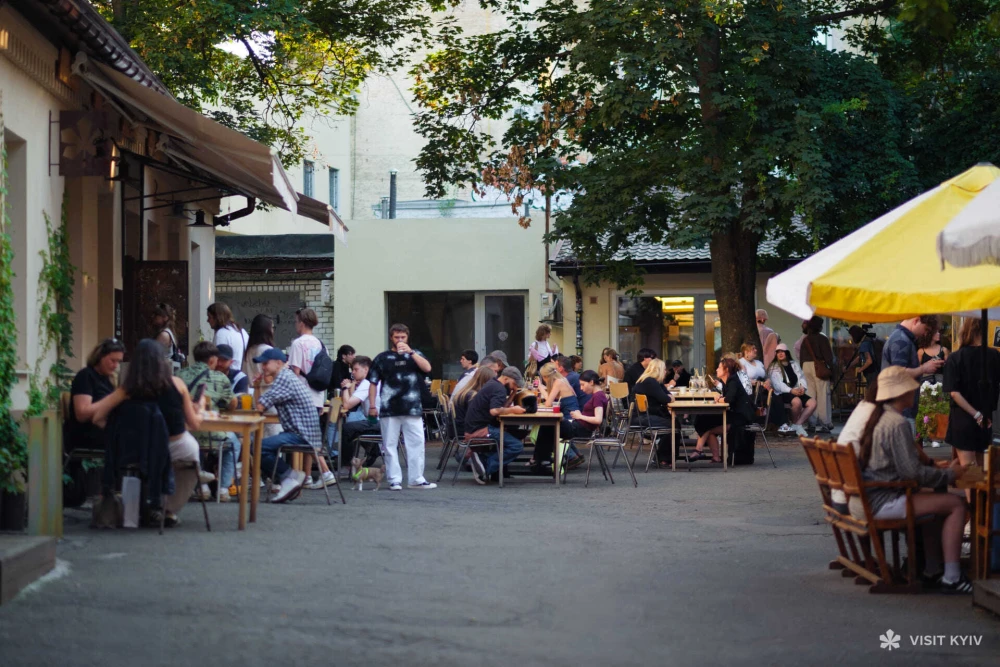
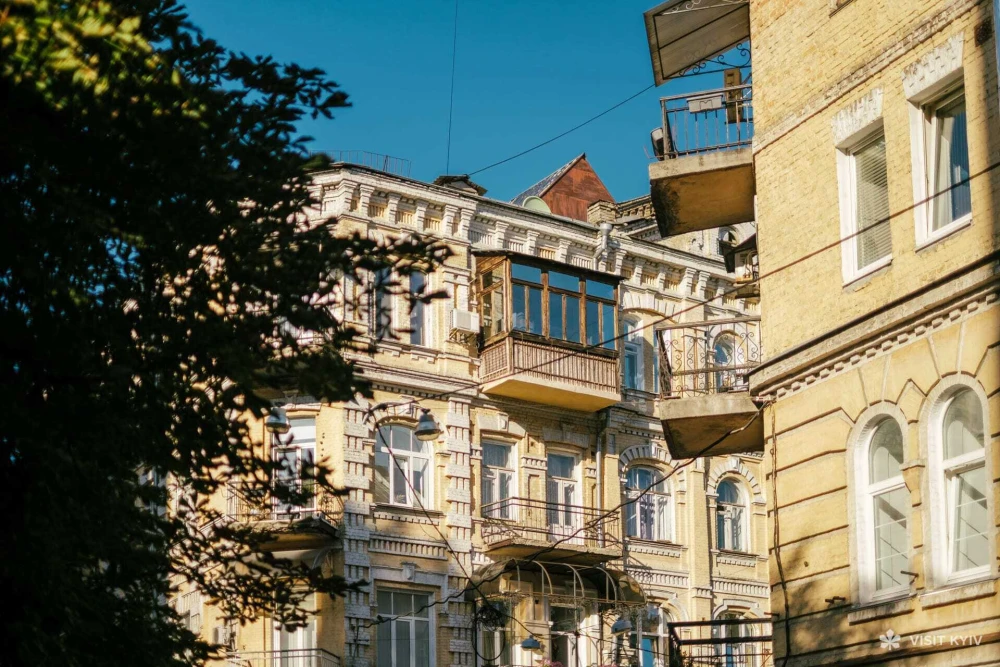
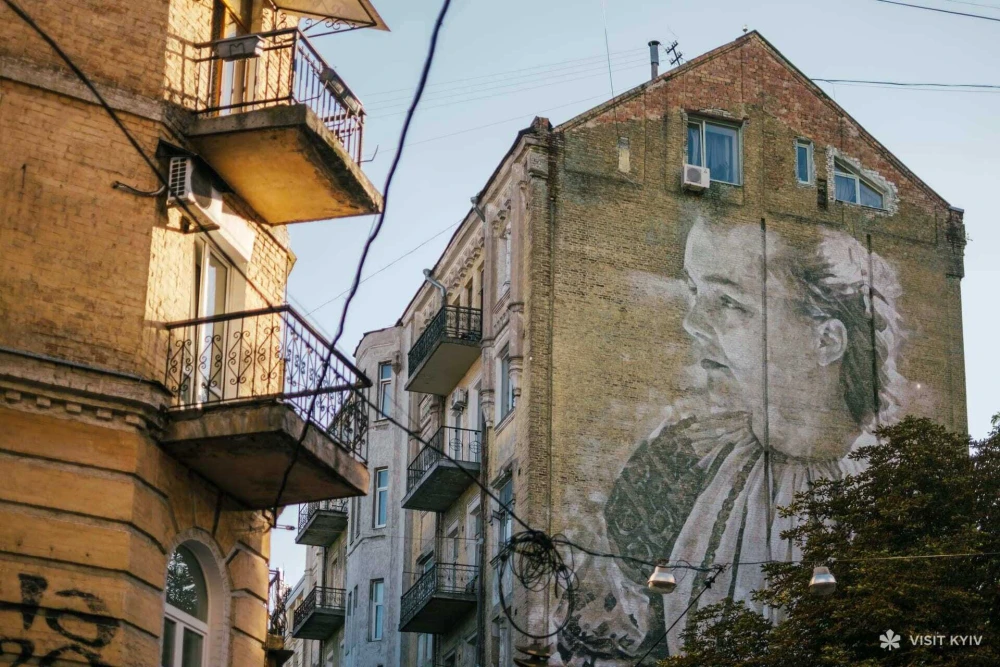
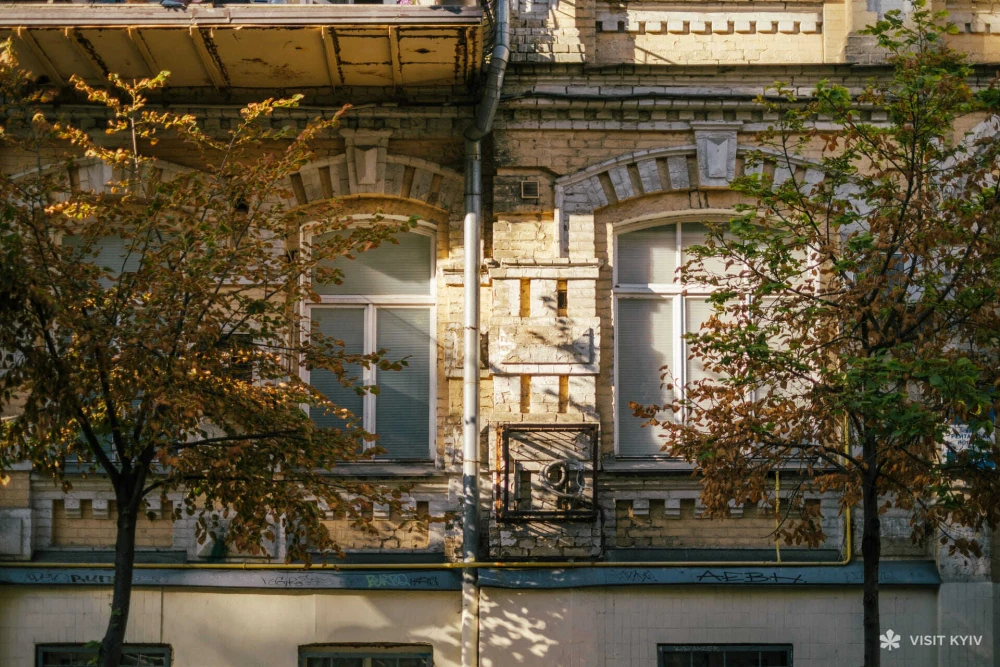
Reitarska brings together old buildings and courtyards, coffee shops, local businesses, art spaces, and neighbourhood hangouts. People come here less for one particular landmark and more for the street itself — and for a feel of everyday life in central Kyiv.
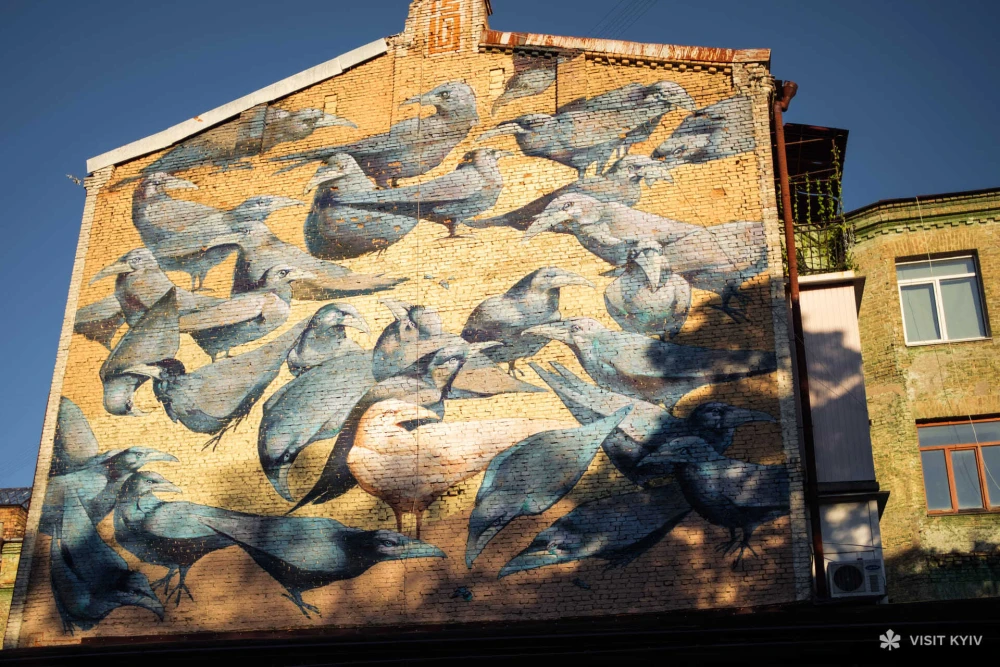
One of its best-known spots is the courtyard with crows near Kashtan. In 2017, three friends opened the venue in a neglected space that had previously housed communal apartments and storage areas.


Local Story: Vesuvio
Reitarska also has a link to Kyiv’s early post-independence years.
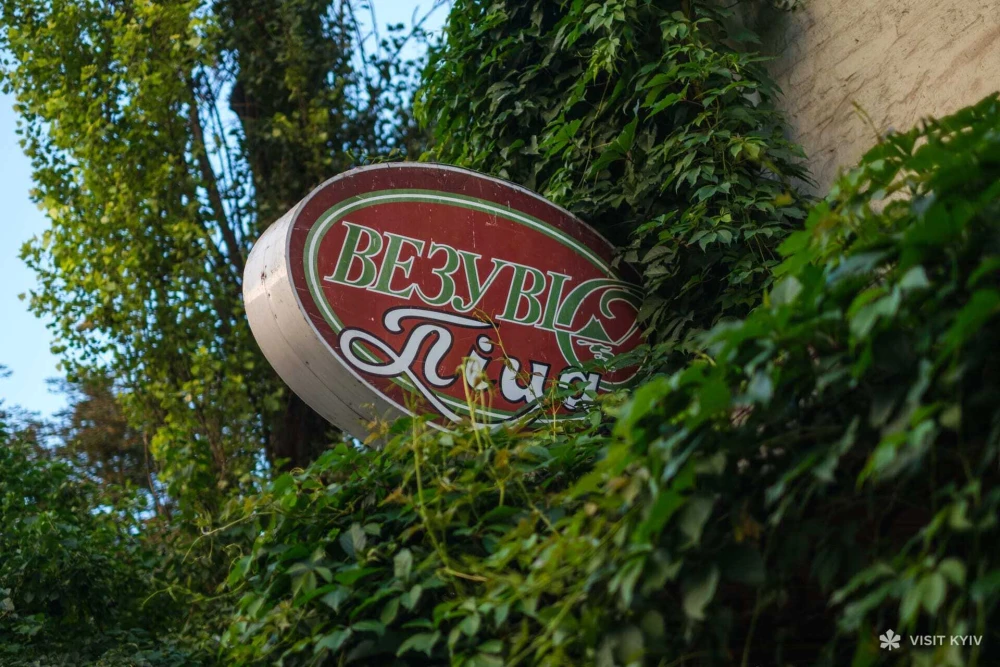
Myron Spolsky, a Canadian of Ukrainian descent, opened Kyiv’s first pizzeria in 1992. Vesuvio has been on Reitarska Street since 1994, attracting Kyiv residents, students, expats and members of the Ukrainian diaspora. Today, some of its customers are the children and grandchildren of people who first came here more than 30 years ago.
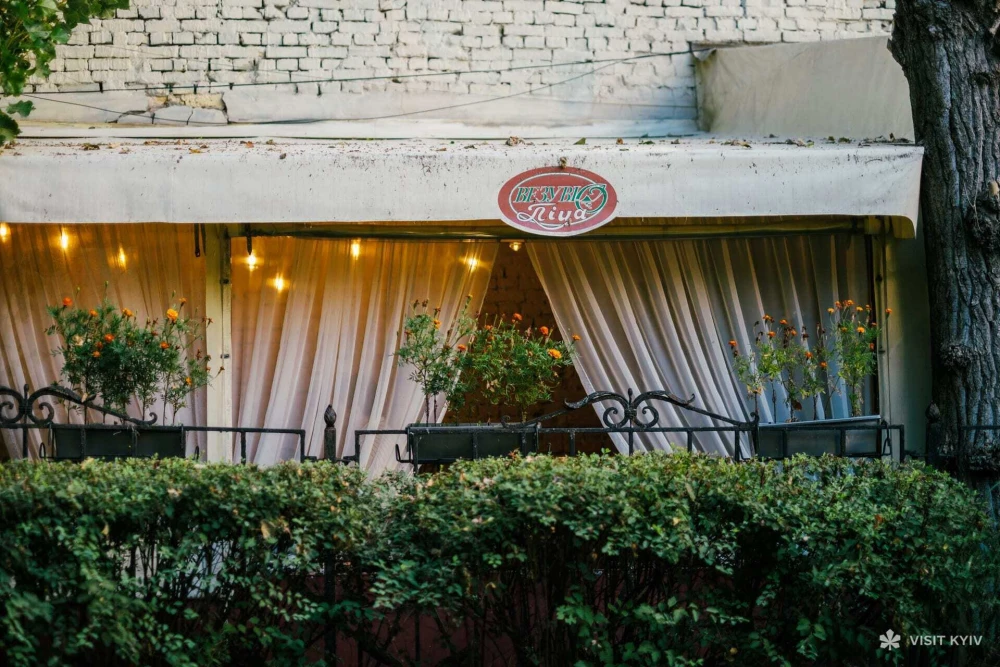

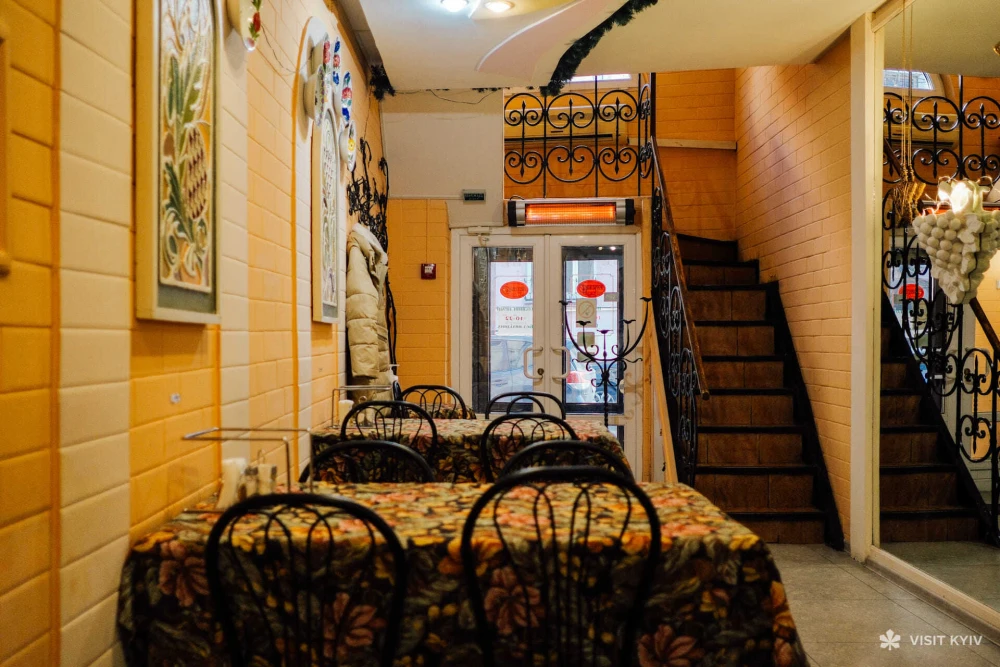
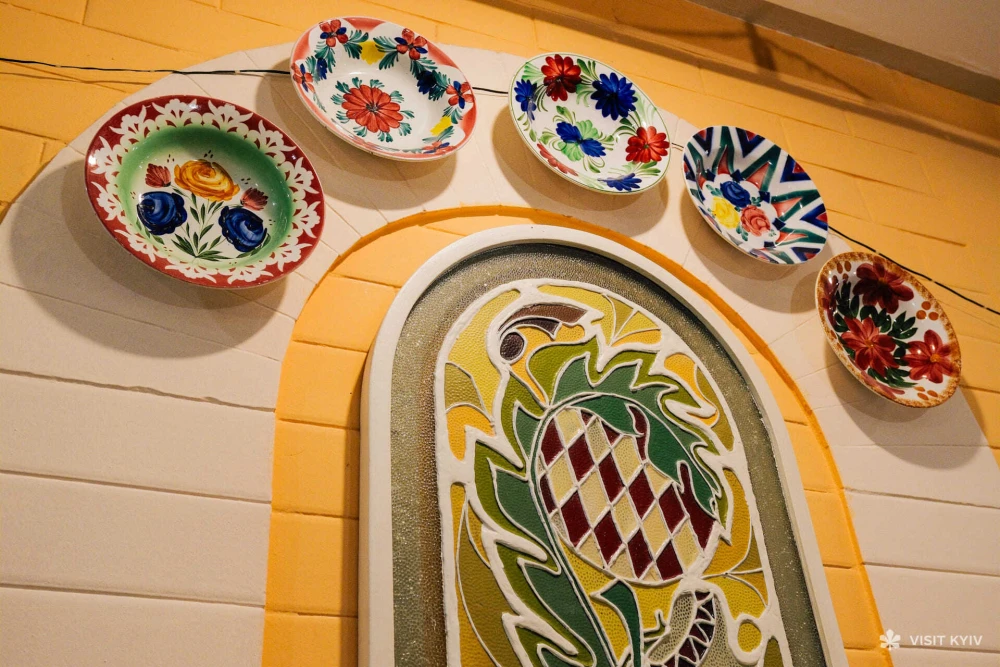
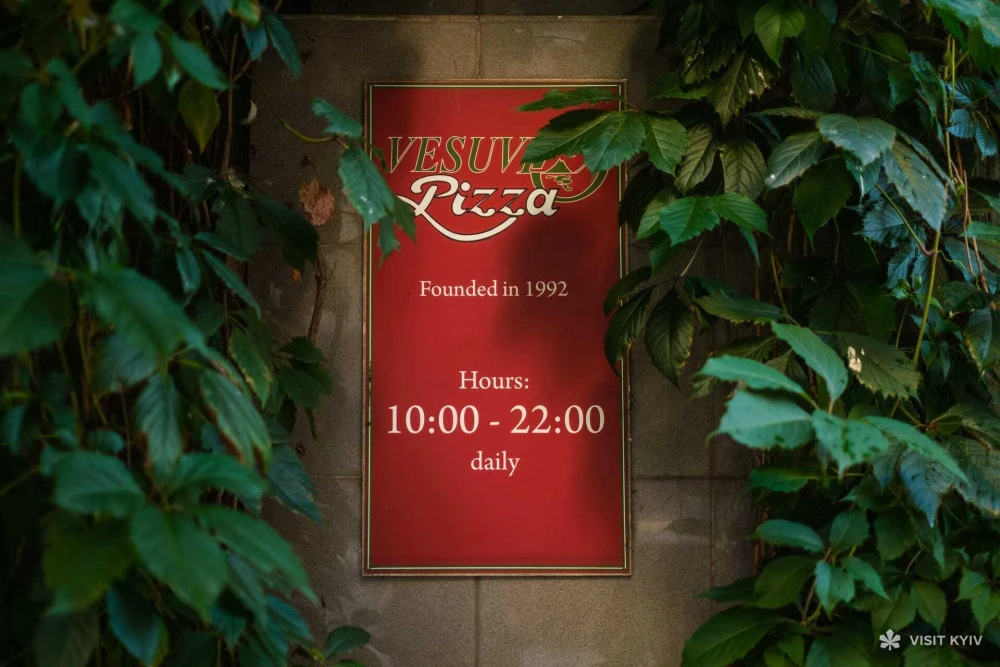
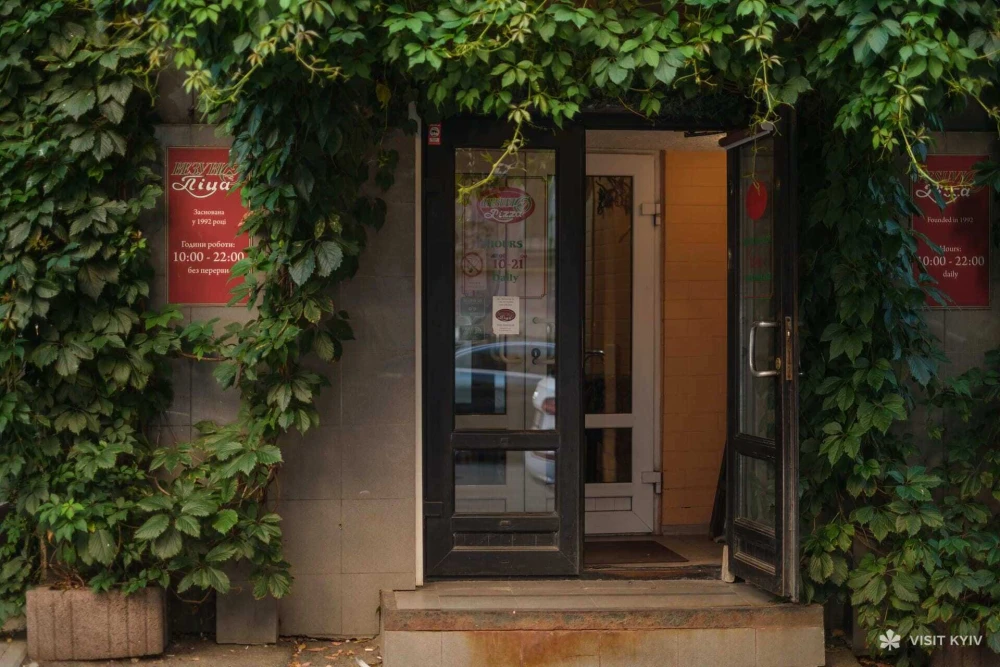
In the early 1990s, many Kyiv residents knew pizza mainly from Teenage Mutant Ninja Turtles. Some early customers even mistook the stretchy cheese for undercooked dough.
Next
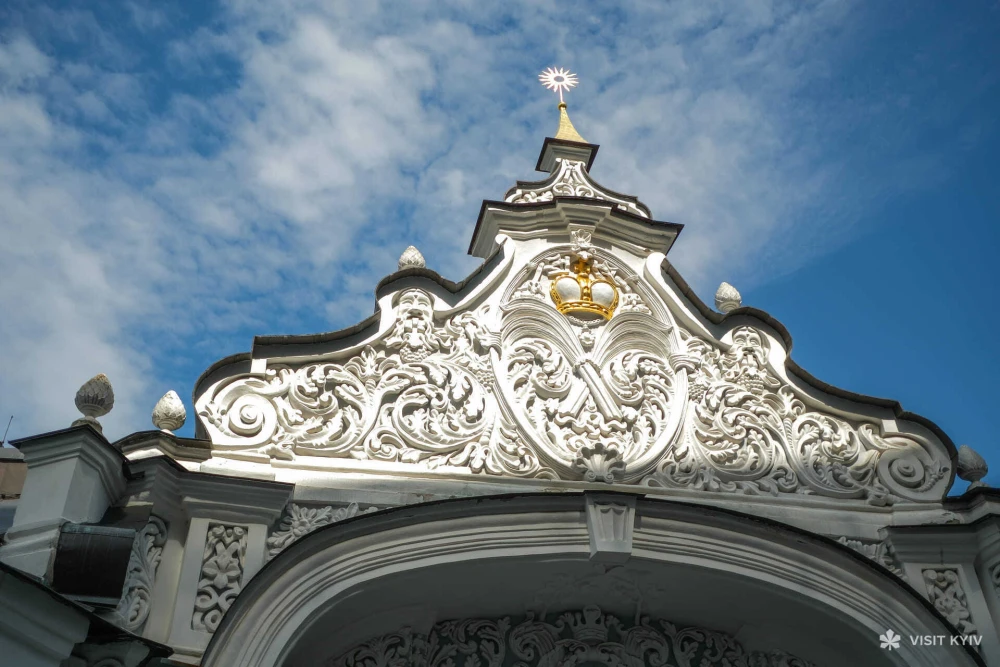
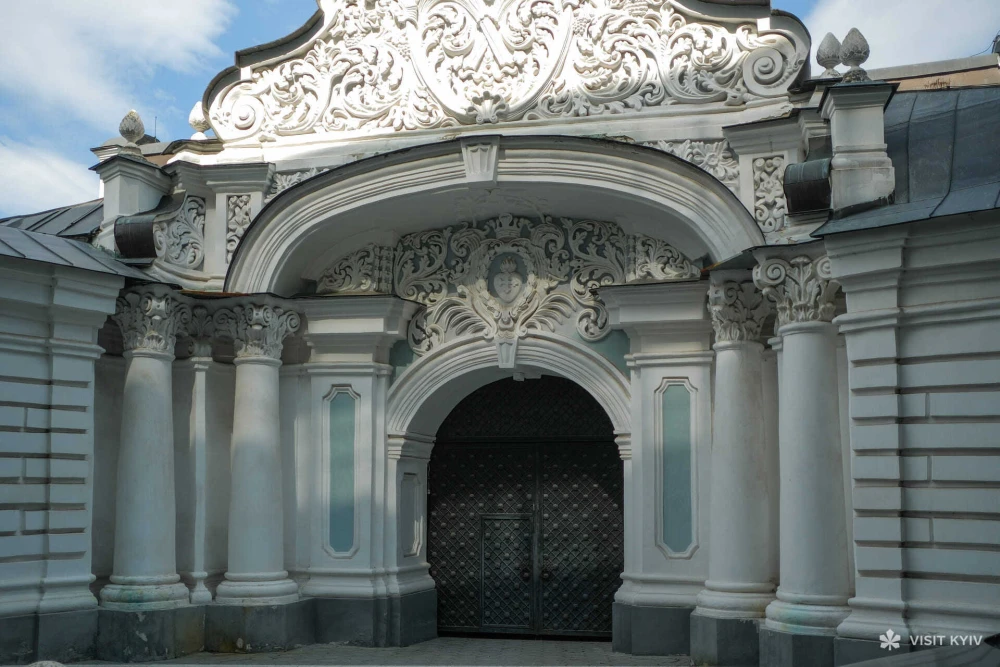
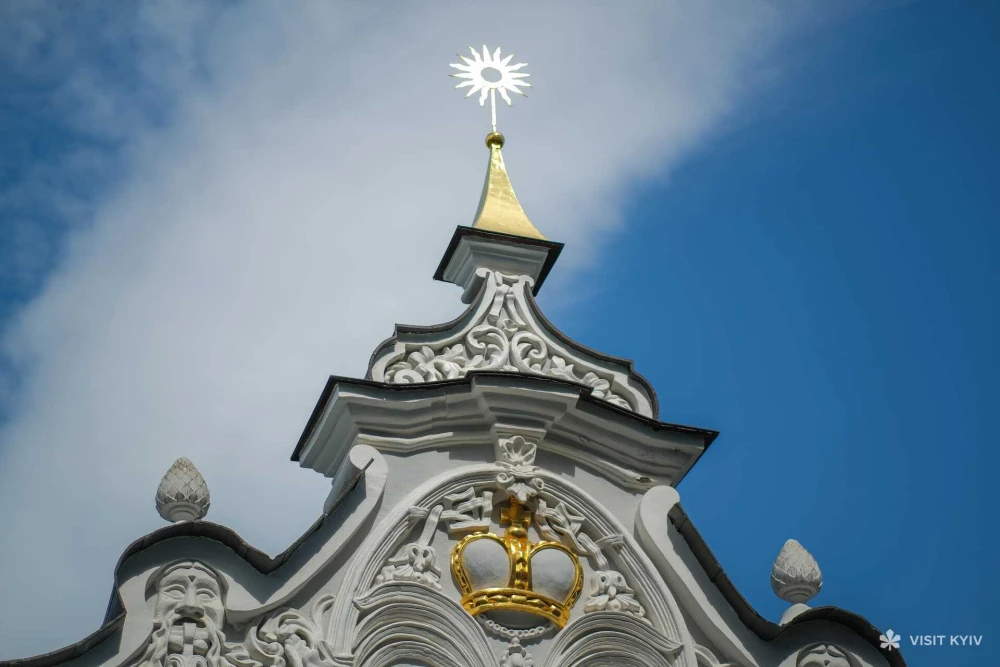
From Reitarska, continue along Striletska Street and turn into Heorhiivskyi Lane. Keep an eye out for the Zaborovsky Gate — once the ceremonial entrance to the residence of Metropolitan Raphael Zaborovsky and a notable example of 18th-century Ukrainian Baroque. Its passage was bricked up in the 19th century, and the gate was restored between 2007 and 2011 using historical drawings.
From here, continue to Volodymyrska Street and head towards St Sophia Square.
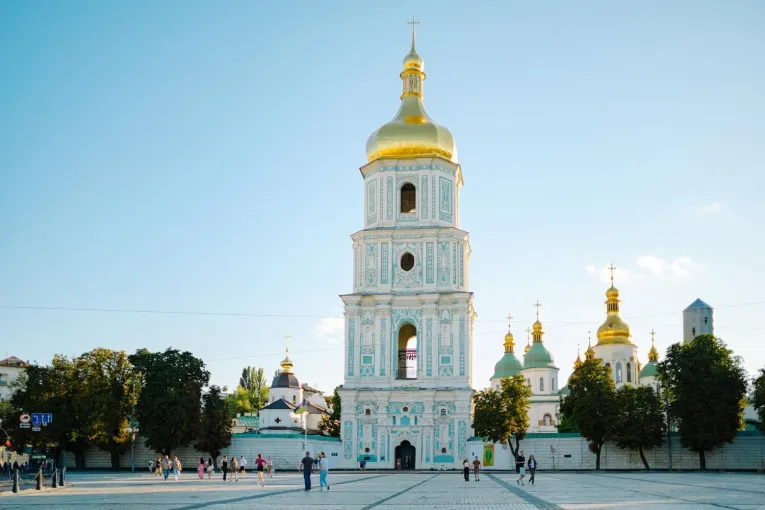
3. St Sophia Square: Why Ukraine’s History Did Not Begin in 1991
Why does this square matter?
1991 is a defining date in Ukraine’s modern history. But at St Sophia Square, the story goes back much further.
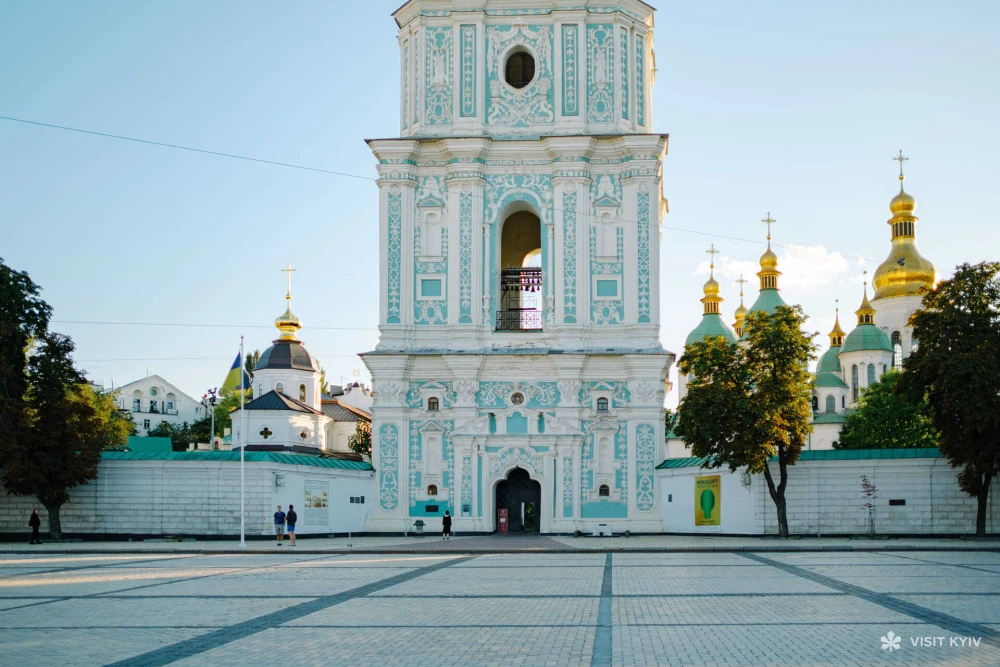
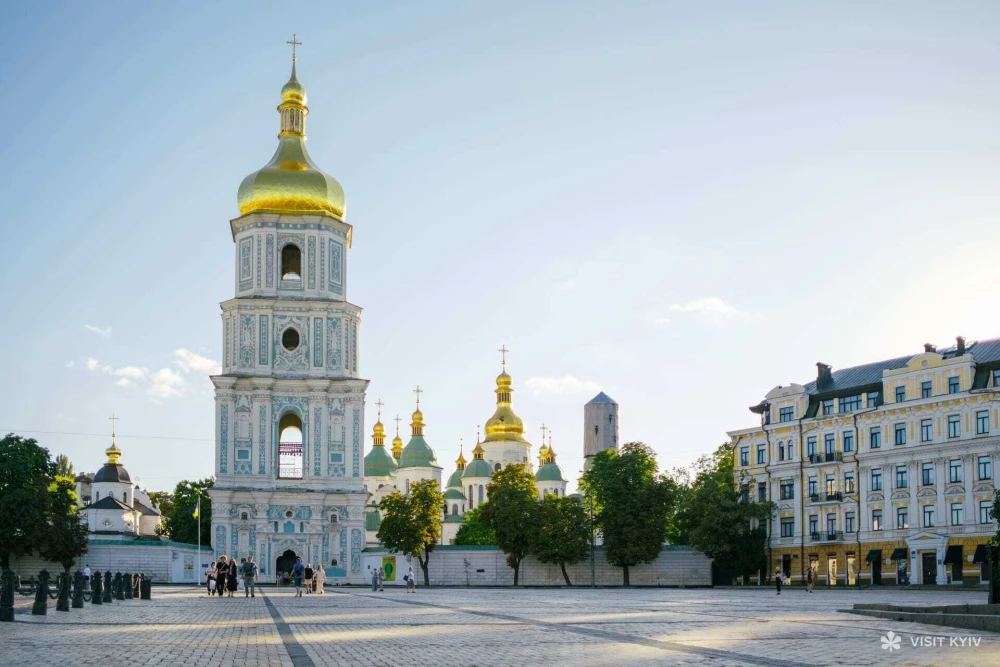
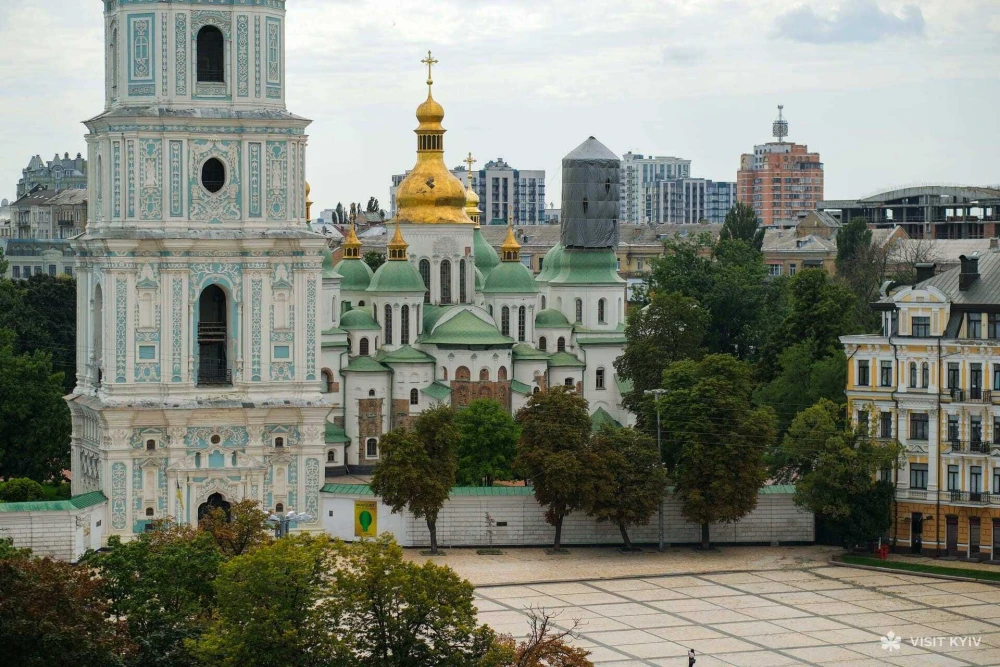
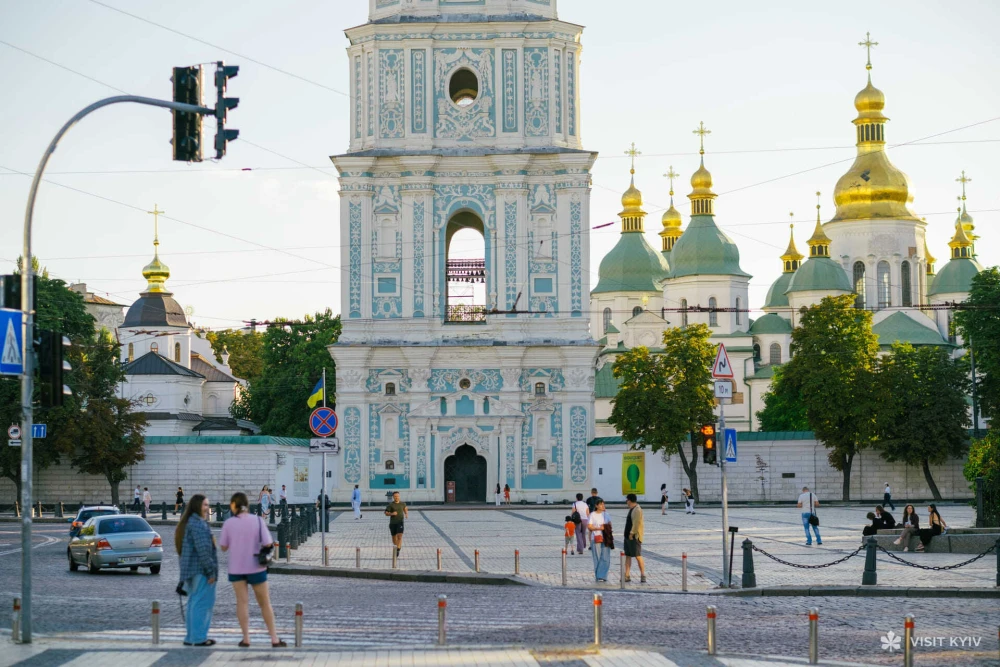
In front of you stands St Sophia’s Cathedral, with nearly a thousand years of history behind it. It is a reminder that Kyiv was already a major political and spiritual centre centuries before the Russian Empire or the Soviet Union existed.
You do not need to remember every ruler or date here. What matters is understanding just how far back this history reaches.
What to See
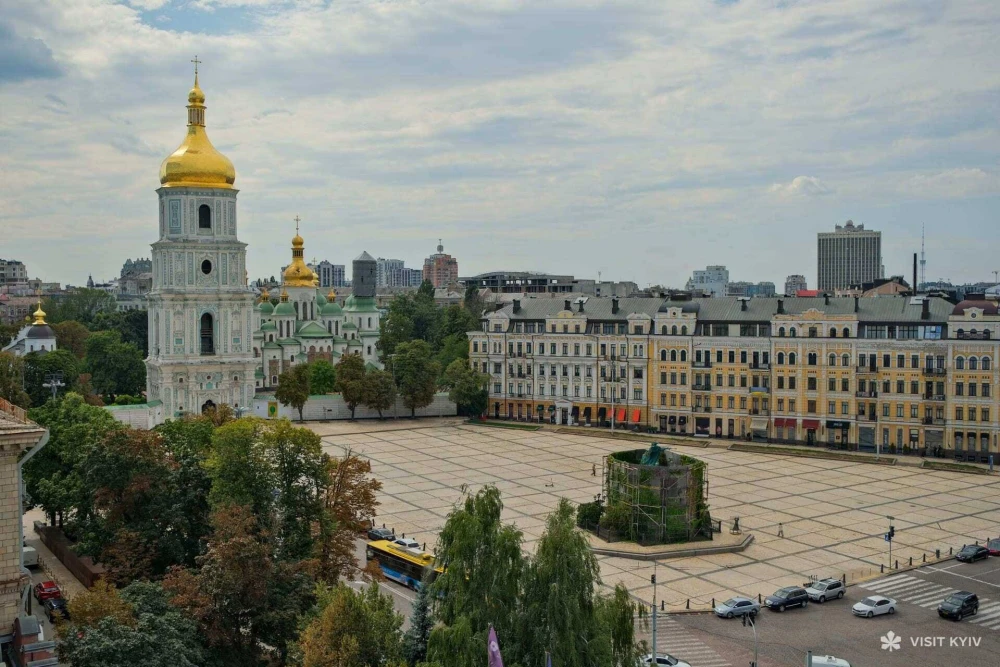
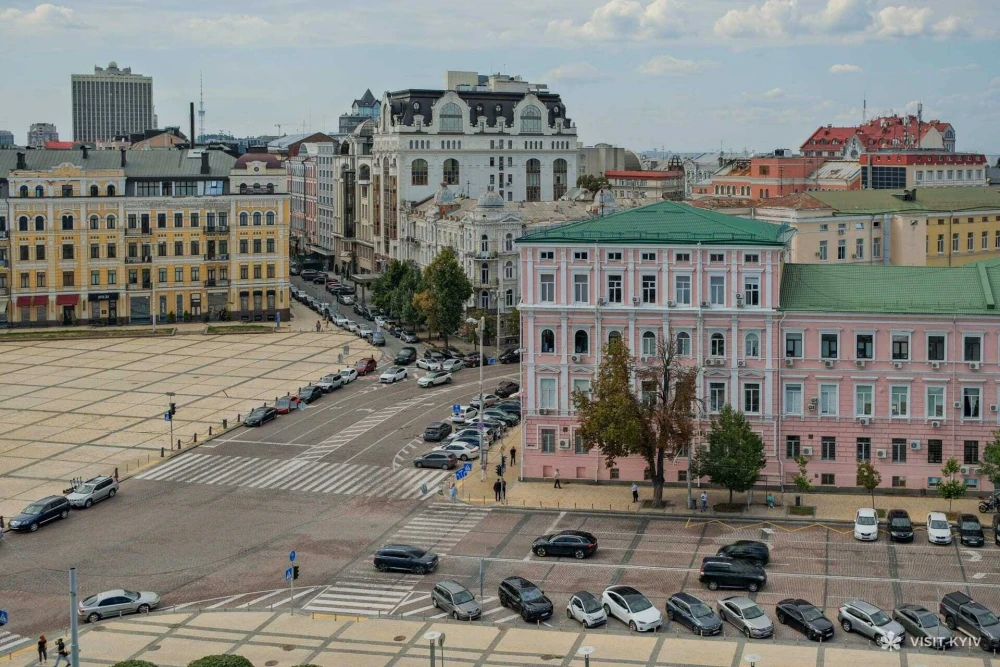
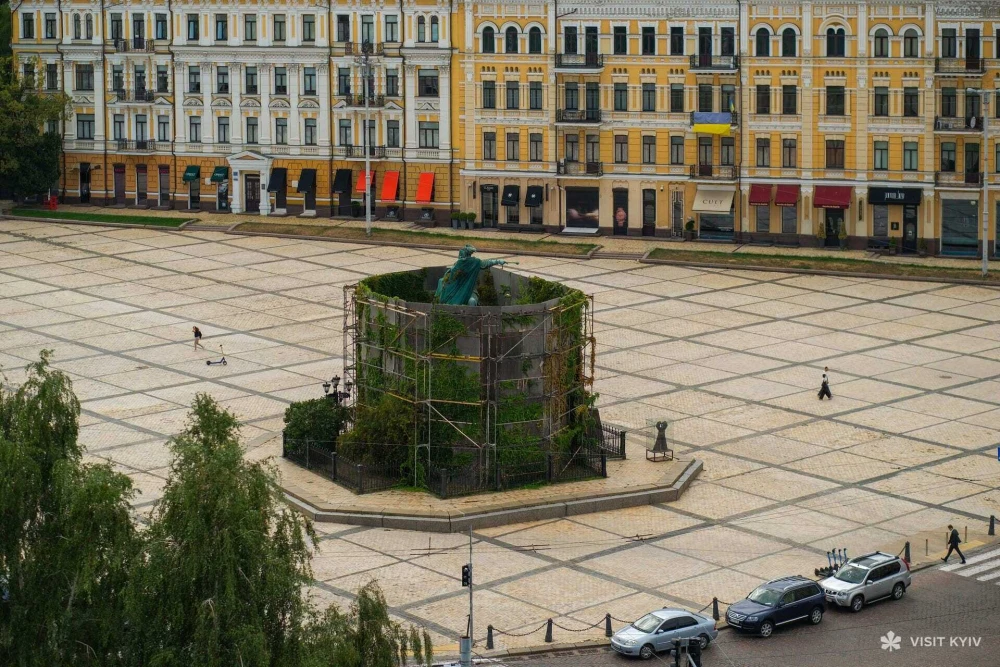
St Sophia’s Cathedral and its bell tower stand on one side of the square, with the monument to Bohdan Khmelnytsky at its centre. Look ahead, and you can already see St Michael’s Golden-Domed Cathedral.
The Khmelnytsky monument marks another chapter in Ukrainian history: the era of the Cossack Hetmanate.
The square later became the setting for another key moment. On January 22, 1919, the Act of Unification of the Ukrainian People’s Republic and the West Ukrainian People’s Republic was proclaimed here. It is a clear reminder that the idea of a united, independent Ukrainian state predates 1991.
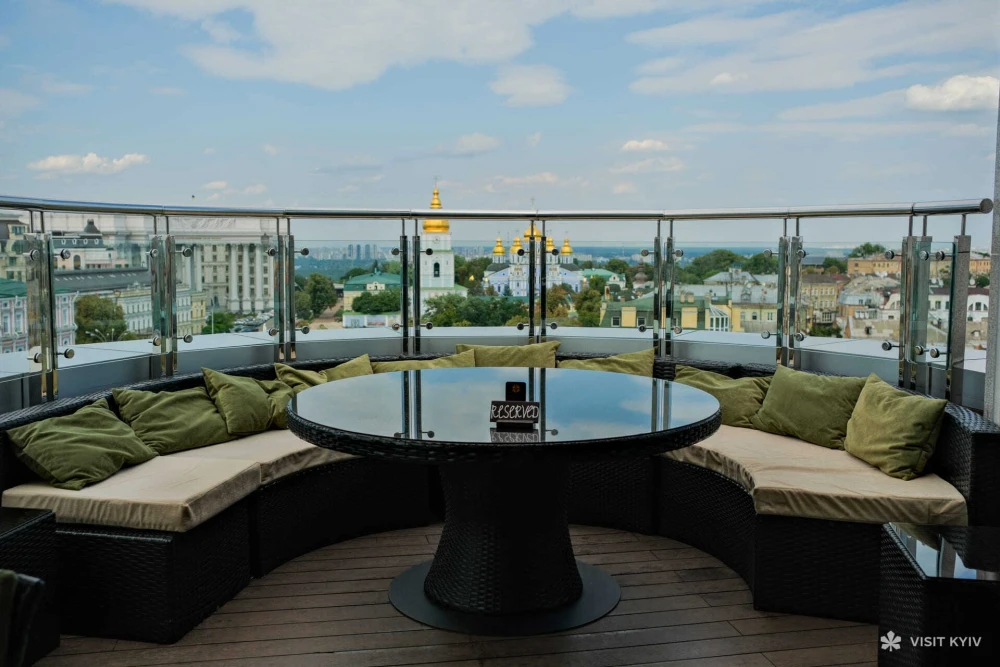
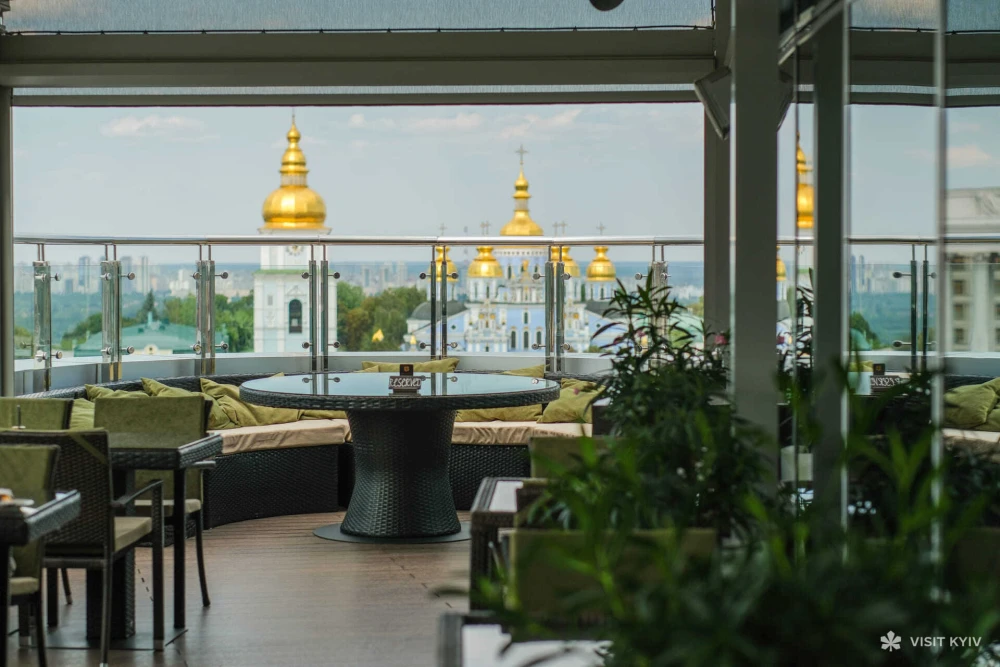
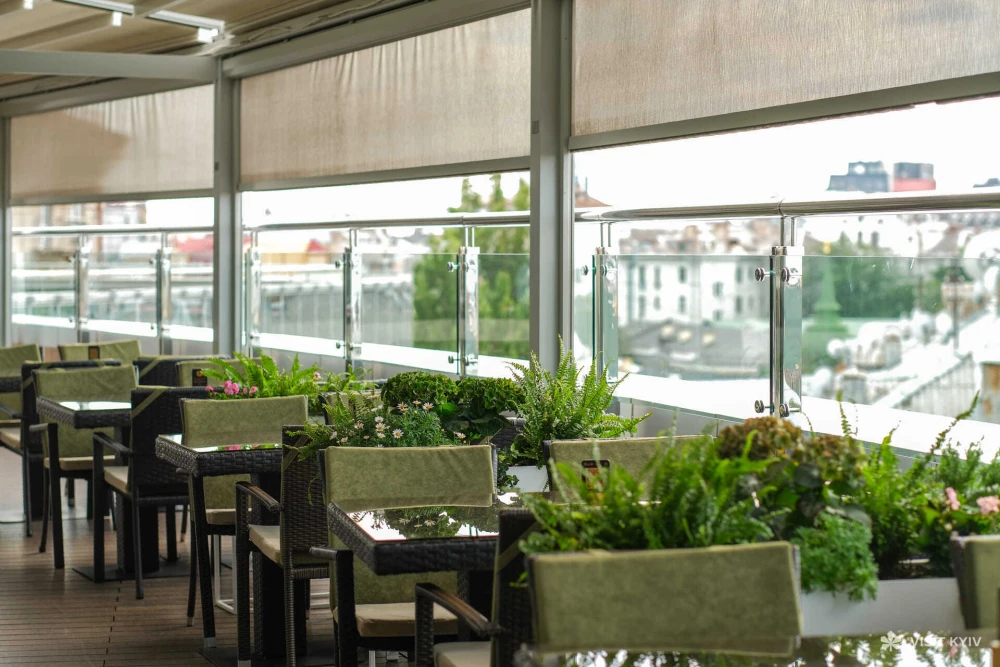
If you have extra time, the terrace at Bar on 8 at Hyatt Regency Kyiv offers panoramic views of St Sophia’s Cathedral, St Michael’s Golden-Domed Cathedral and the historic centre.
Next
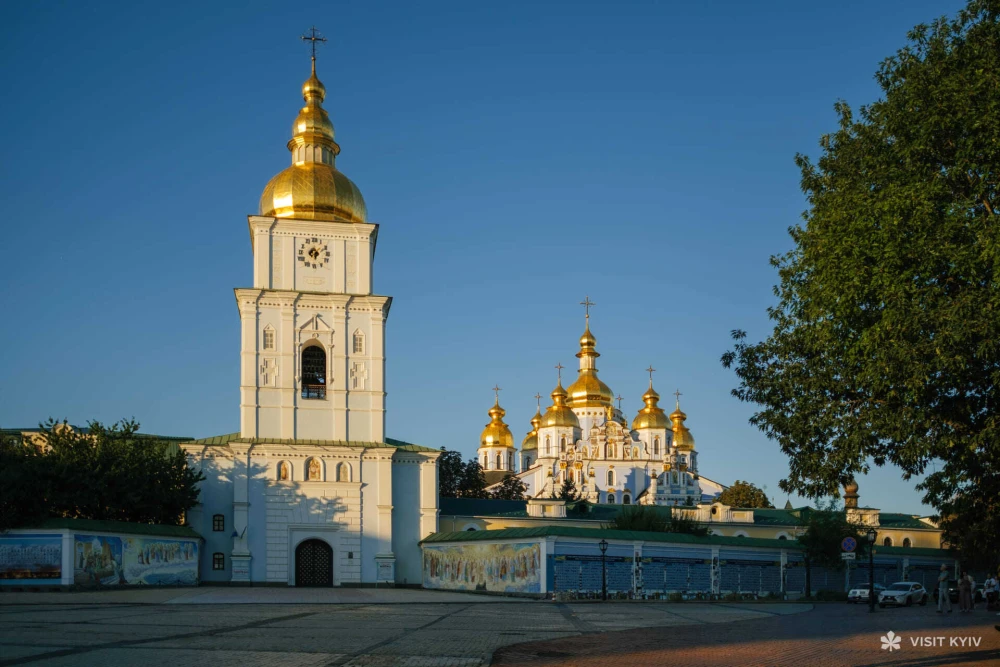
St Michael’s Square is only a few minutes away. There, the story moves into the Soviet period and its aftermath: St Michael’s Golden-Domed Monastery was demolished by the Soviet authorities in the 1930s and rebuilt after Ukraine regained independence.
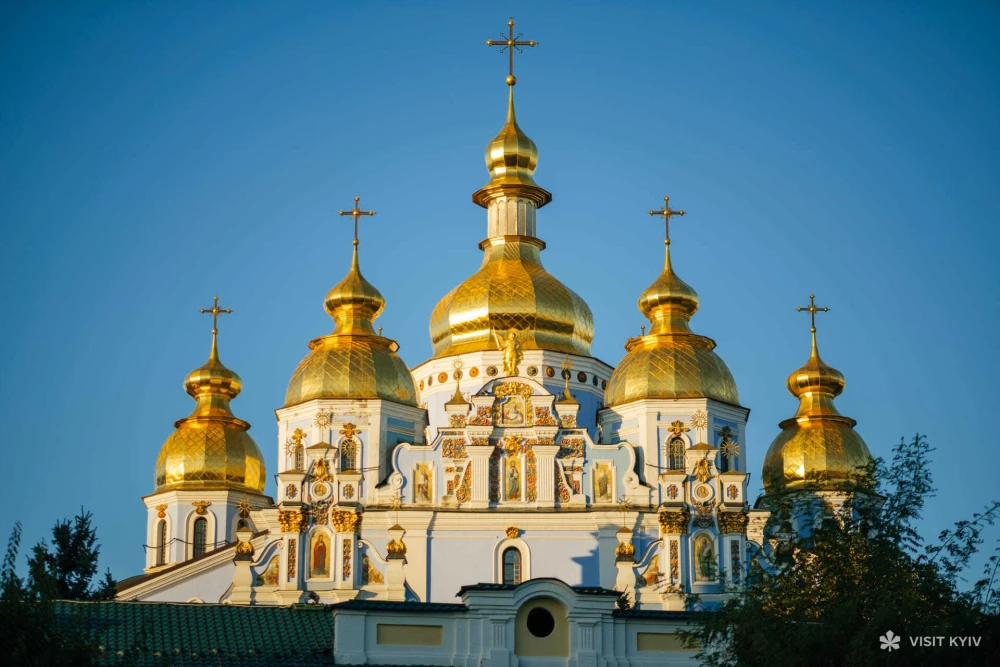
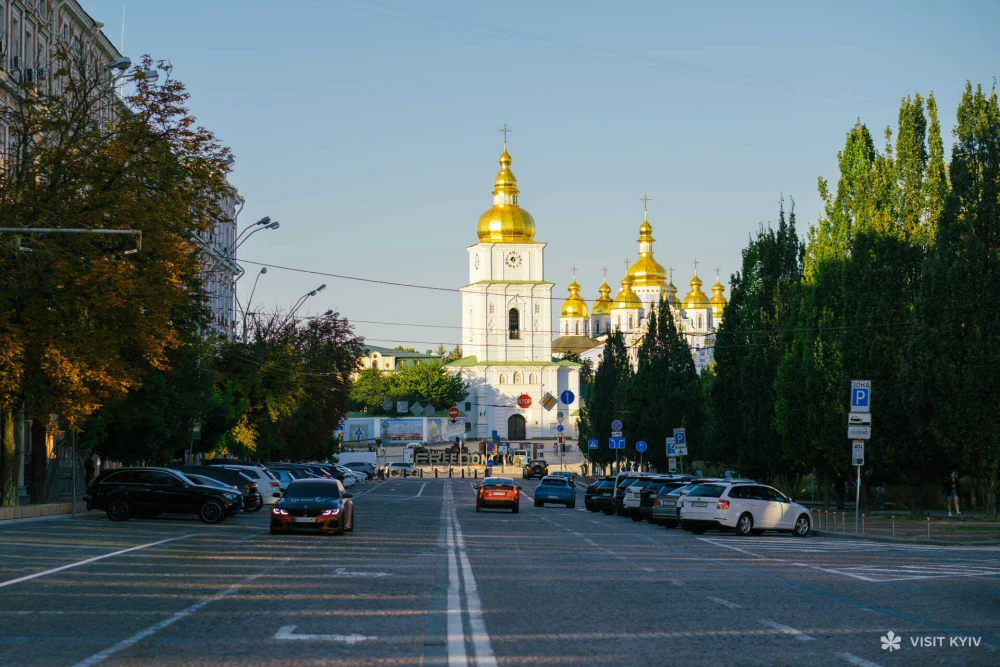
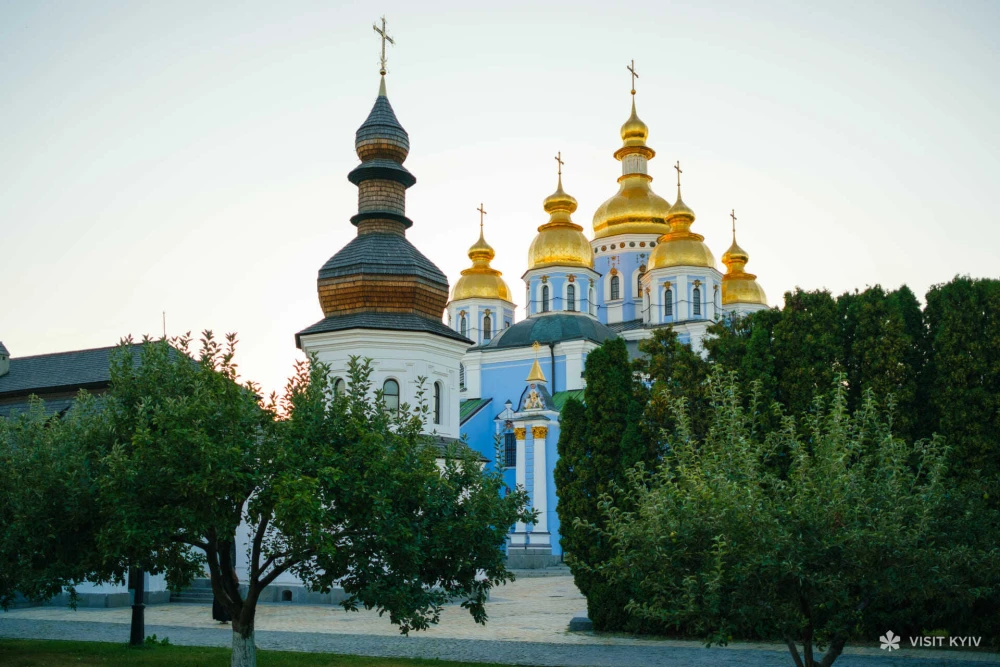
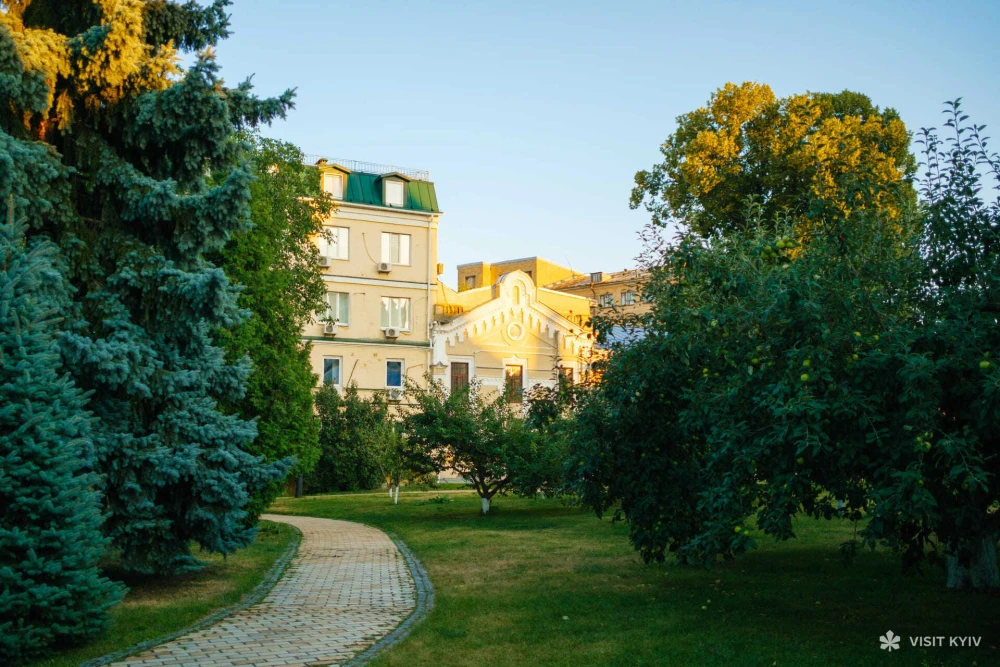
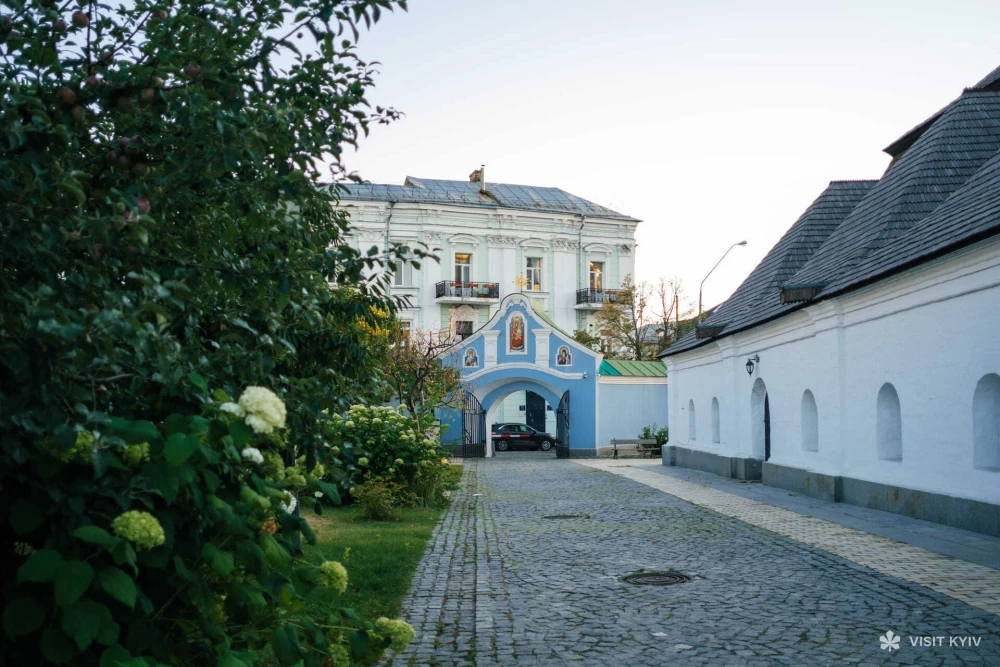
4. St Michael’s Golden-Domed Monastery: A Landmark Kyiv Brought Back
What does it mean to restore something a city once lost?
Today, it is hard to imagine Kyiv’s skyline without St Michael’s Golden-Domed Cathedral. But for several decades, it simply was not there.
The monastery was founded in the early 12th century. Under Soviet rule, it was closed, and the cathedral, bell tower and several other buildings were demolished. A government complex was planned for the site, but it was never completed. Some of the original mosaics and frescoes were moved to museums, while the cathedral site remained empty for decades.
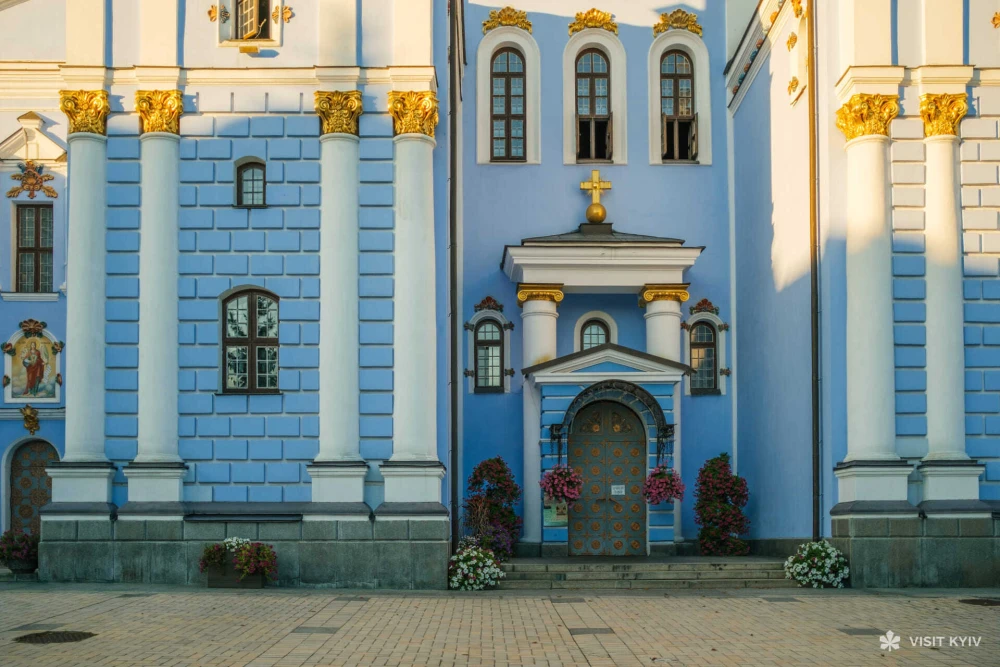
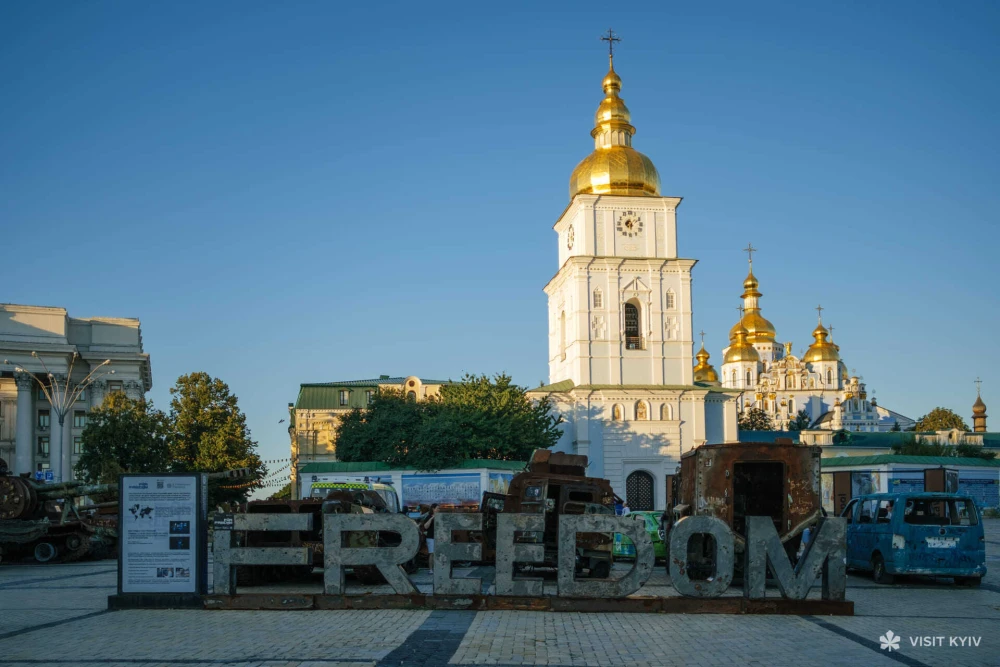
After Ukraine regained independence, the cathedral was rebuilt in 1997–1998. What you see today is not a medieval building preserved unchanged through the centuries, but a landmark Kyiv chose to bring back to its skyline.
What to See
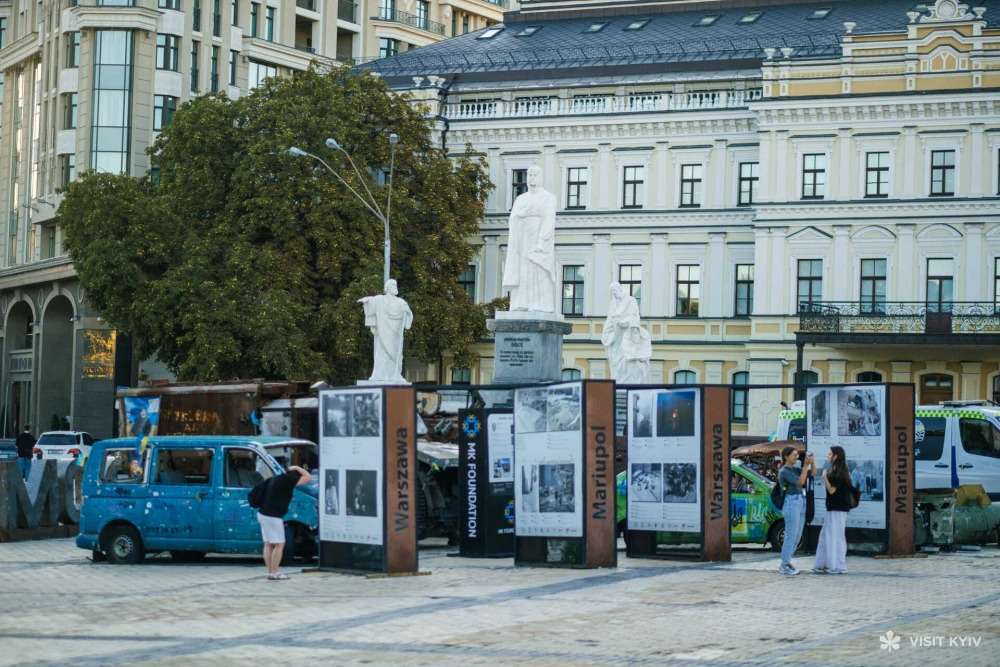
St Michael’s Square is also home to the Wall of Remembrance for Ukraine’s Fallen Defenders and displays of destroyed Russian military equipment.
The Bells of St Michael’s
On the night of December 10–11, 2013, as security forces moved to disperse protesters on Maidan, the monastery bells rang out as an alarm.
The monastery grounds opened to people seeking shelter and help. A place that had once been destroyed became a place of refuge and support during the Revolution of Dignity.
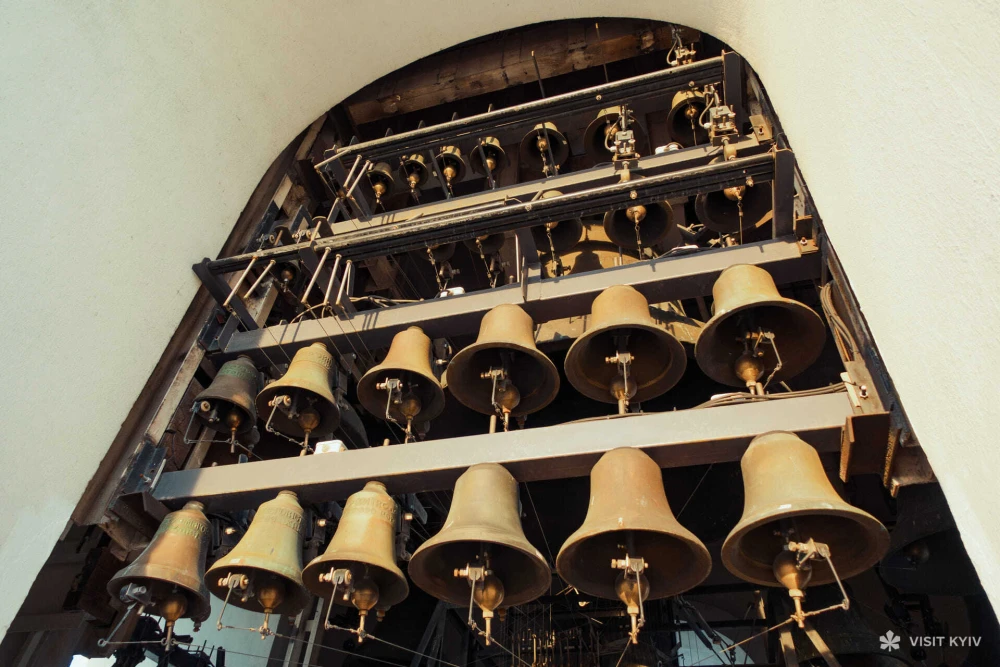
On the nearby Ministry of Foreign Affairs building, you can find a bronze swallow dedicated to Mykola Leontovych’s Shchedryk. Press the button and you will hear the melody known around the world as Carol of the Bells.
Next
From St Michael’s Square, head down towards European Square. The next stop offers another way to look at Kyiv’s Soviet legacy: a former Lenin Museum that still stands in the same place, but serves a very different purpose today.
5. Ukrainian House: How One Building Took on a New Meaning
What happens when a city gives an inherited space a new role?
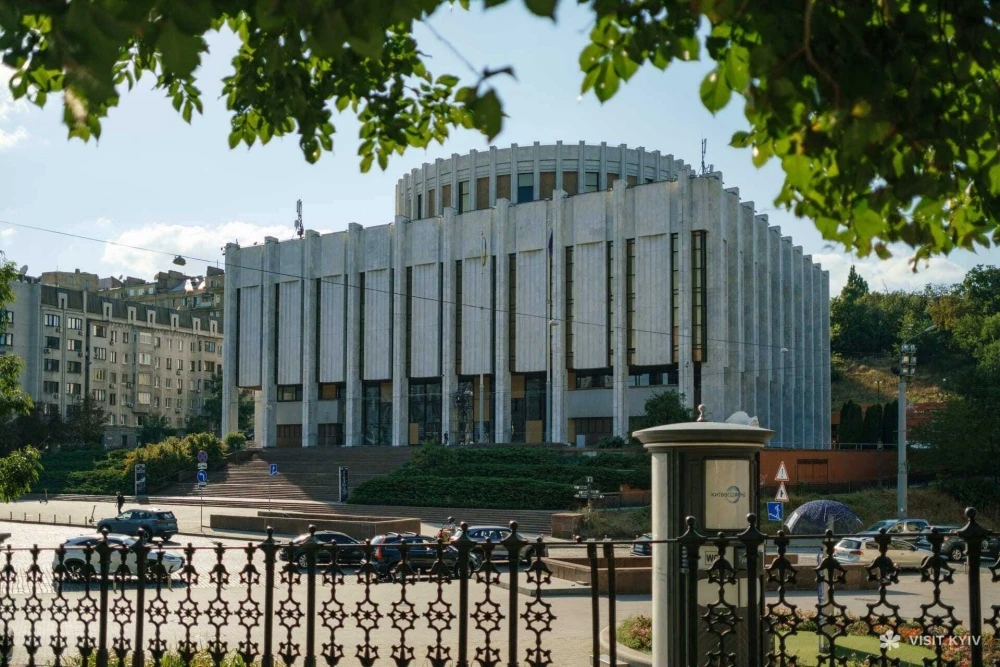
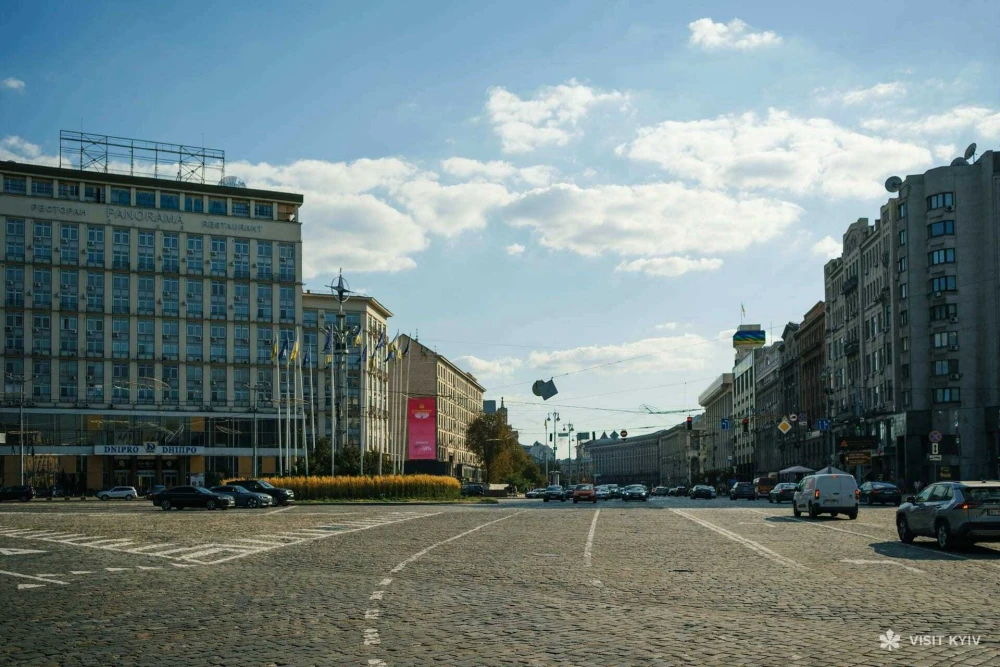
Ukrainian House has changed dramatically over the past few decades. The building opened in 1982 as the Kyiv branch of the Central Lenin Museum, designed to promote the Soviet political narrative in the heart of the city.
Today, it is the National Centre “Ukrainian House”, a cultural venue for exhibitions, book events, public discussions and educational projects.
During the Revolution of Dignity, Ukrainian House became one of Maidan’s key spaces. After protesters took control of the building, it was used as a medical station, volunteer headquarters, library, press centre and a place to rest.
A building created for Soviet political messaging became a space for civic organisation, mutual aid and public life.
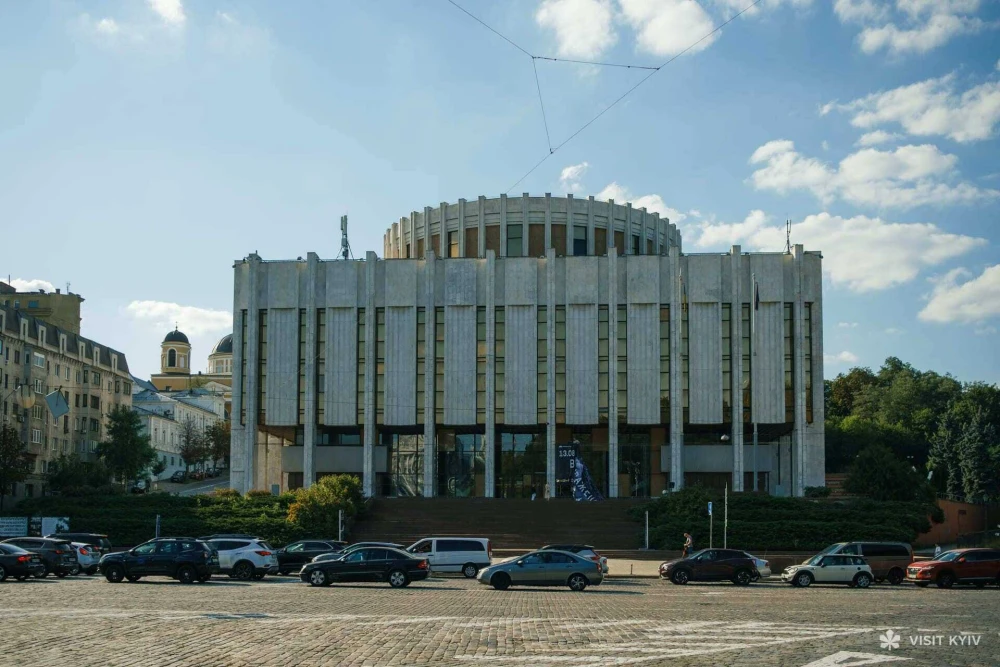
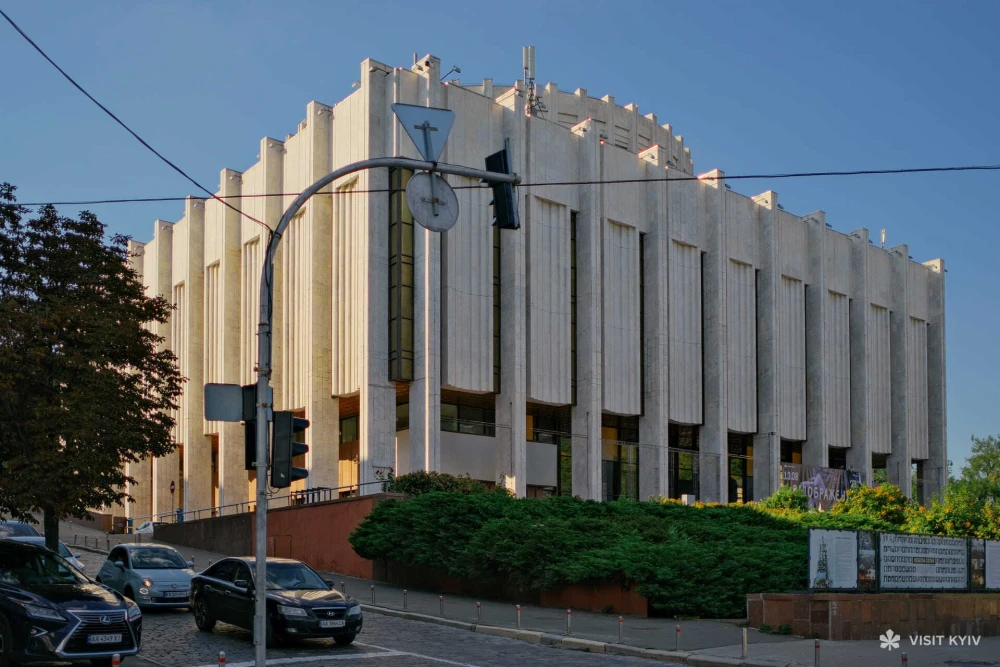
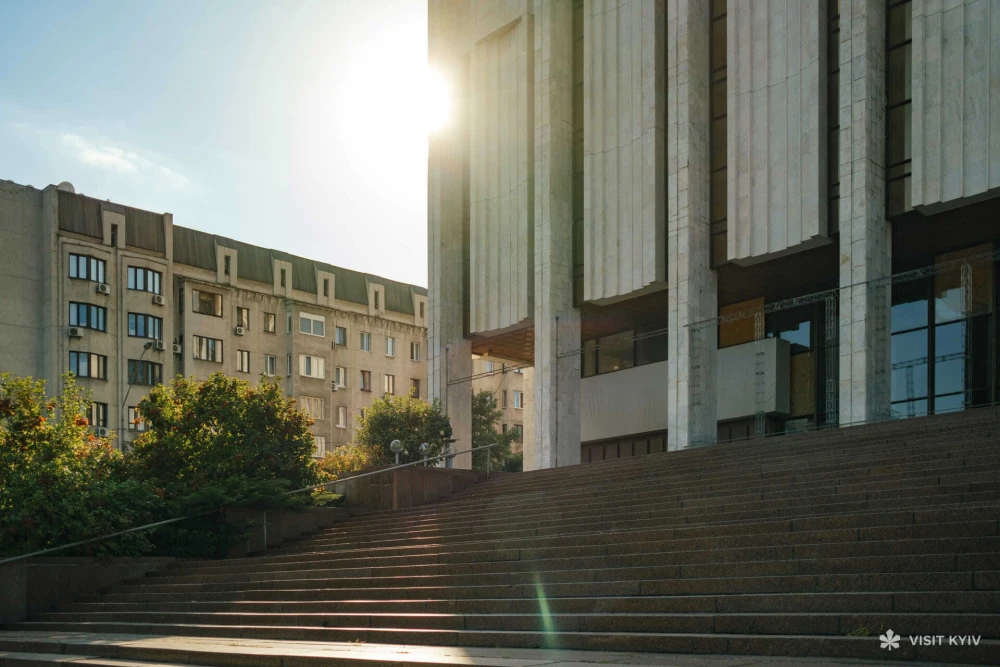
What to See Today
Take a moment to look at the monumental façade. If Ukrainian House is open, step inside or check what is on.
What happens here today is perhaps the clearest sign of how much the building’s role has changed.
Check the event calendar before your walk. An exhibition, book event or public discussion can add another layer to the stop.
Next
From Ukrainian House, continue down to Maidan Nezalezhnosti — a place where Ukrainians have repeatedly gathered to make their voices heard and shape the country’s future.
6. Independence Square: Where Civic Choice Becomes Visible
Why does “Maidan” mean more than the name of a square?
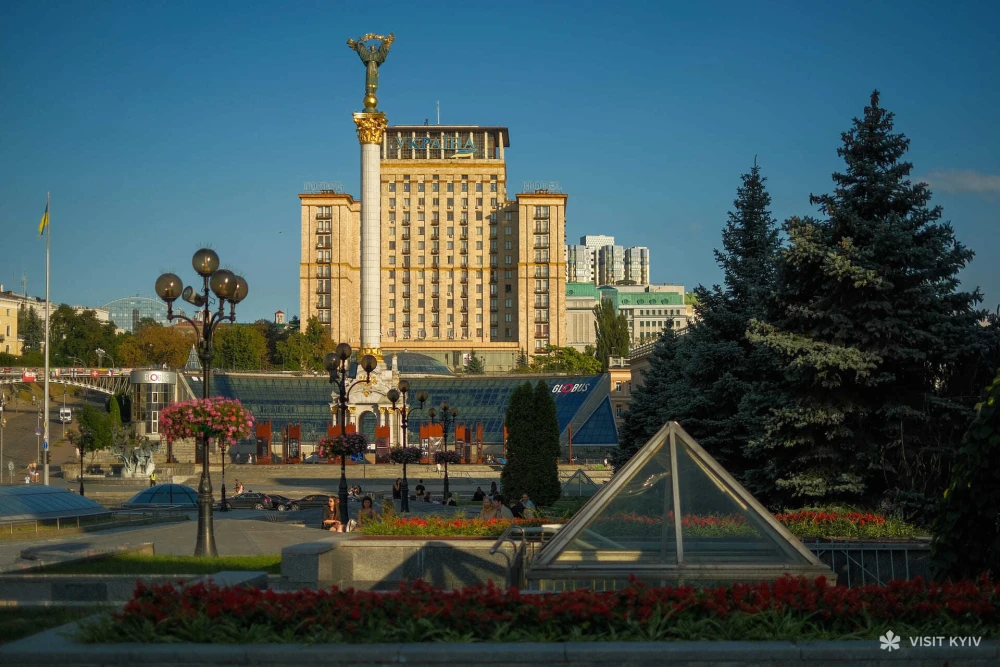
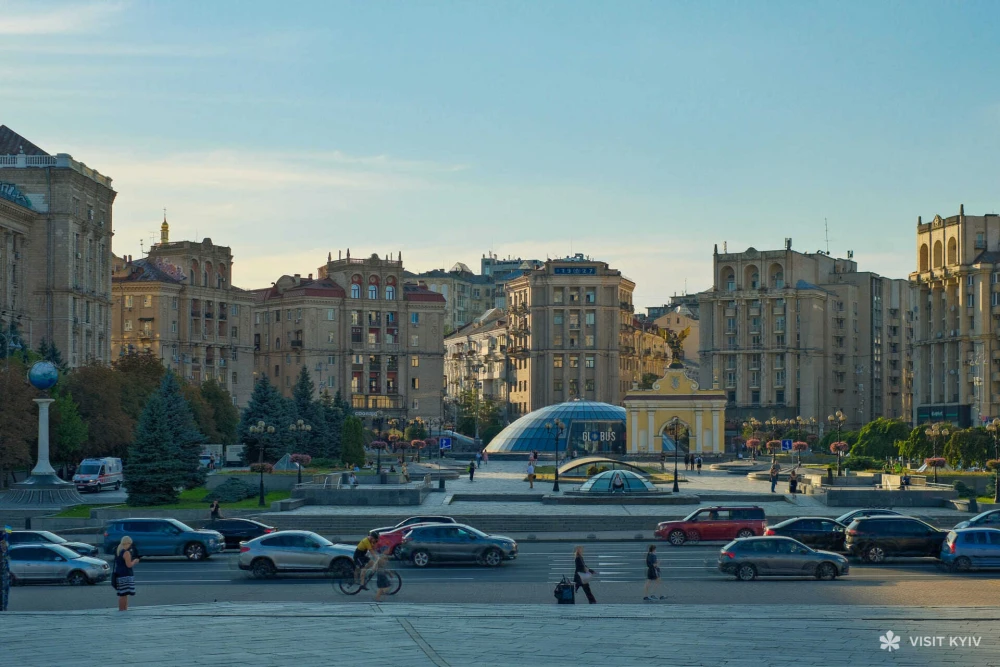
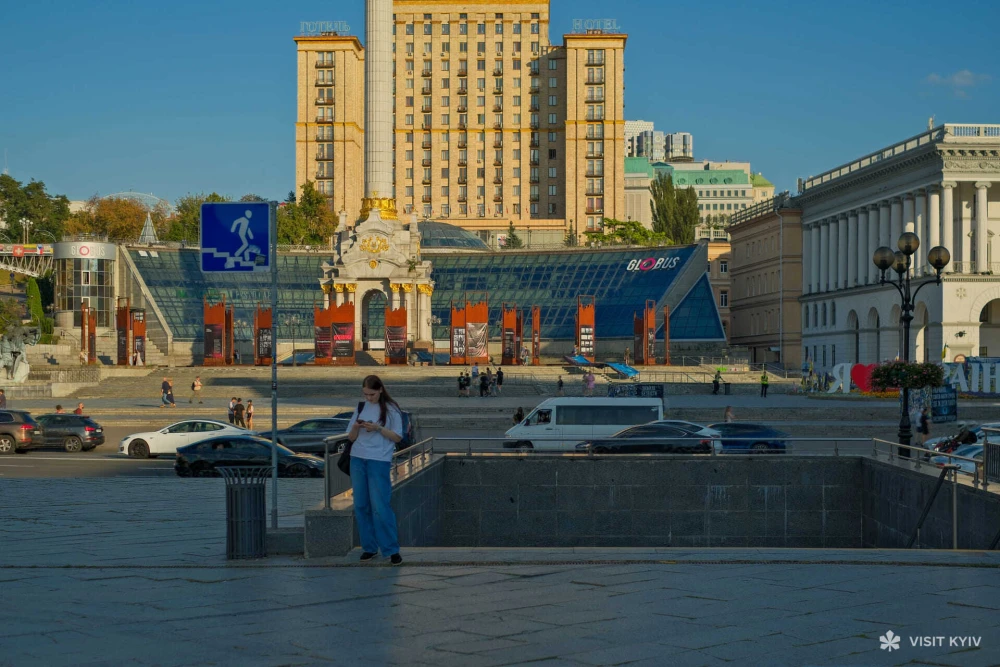
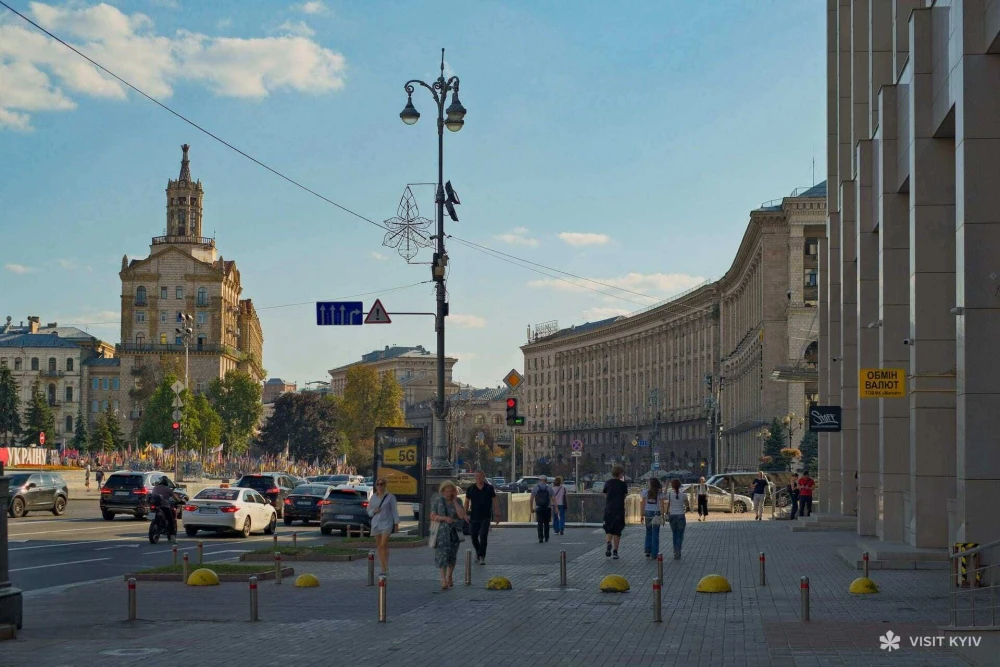
Independence Square is Kyiv’s central square, but in modern Ukrainian history, it has come to mean much more.
The Orange Revolution of 2004 and the Revolution of Dignity of 2013–2014 both unfolded here. At different moments, people gathered on the square to make their position public and defend their right to shape the country’s future.
That is why “Maidan” today means more than a place on the map. It has become associated with civic responsibility, self-organisation and the willingness to stand up for a shared choice.
For many Ukrainians, independence is not only part of history. It is something that must be reaffirmed through action.
What to See
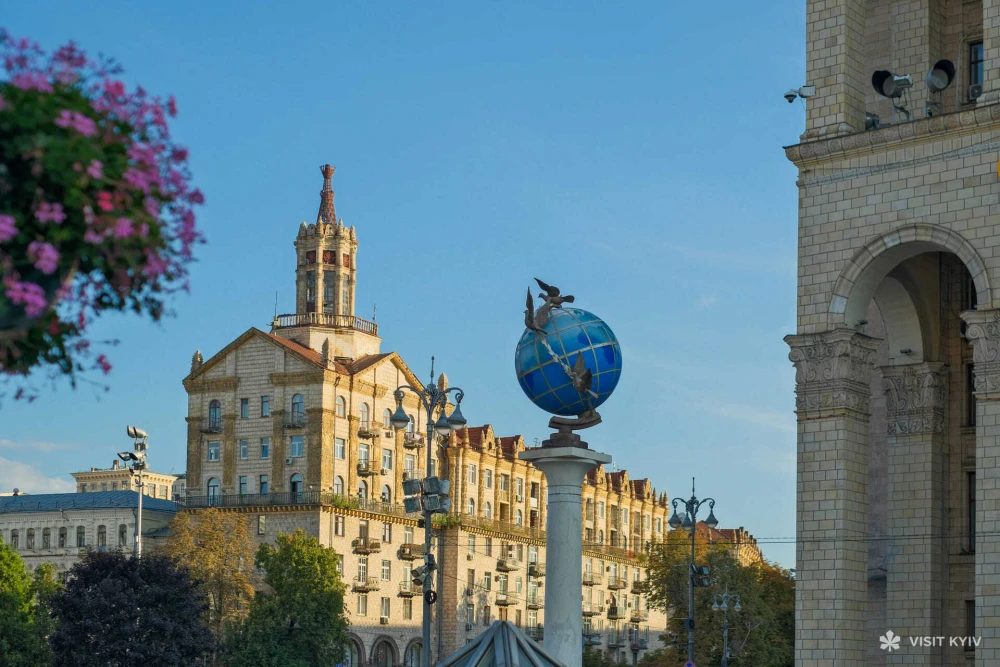
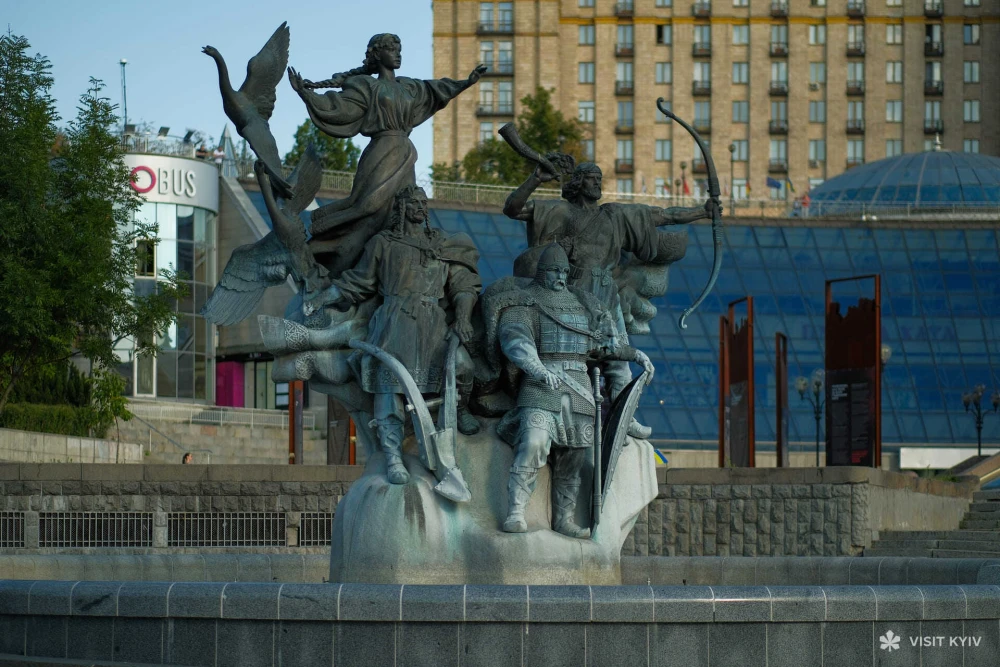
Here, it is worth taking in the square as a whole rather than focusing on a single landmark: the Independence Monument, the Main Post Office, the surrounding architecture and the route leading towards the Alley of the Heroes of the Heavenly Hundred.
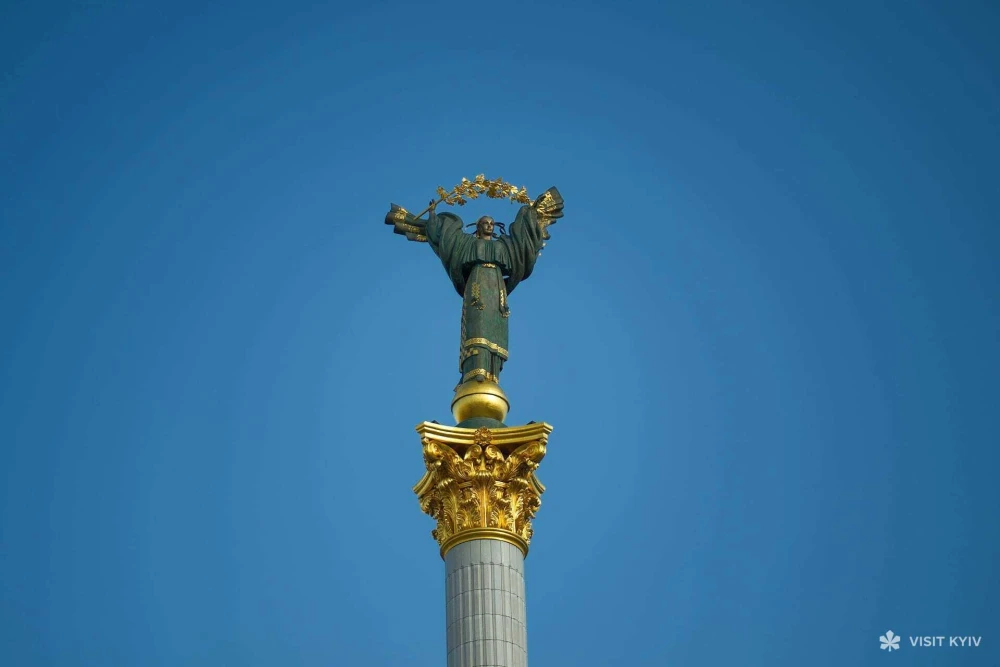
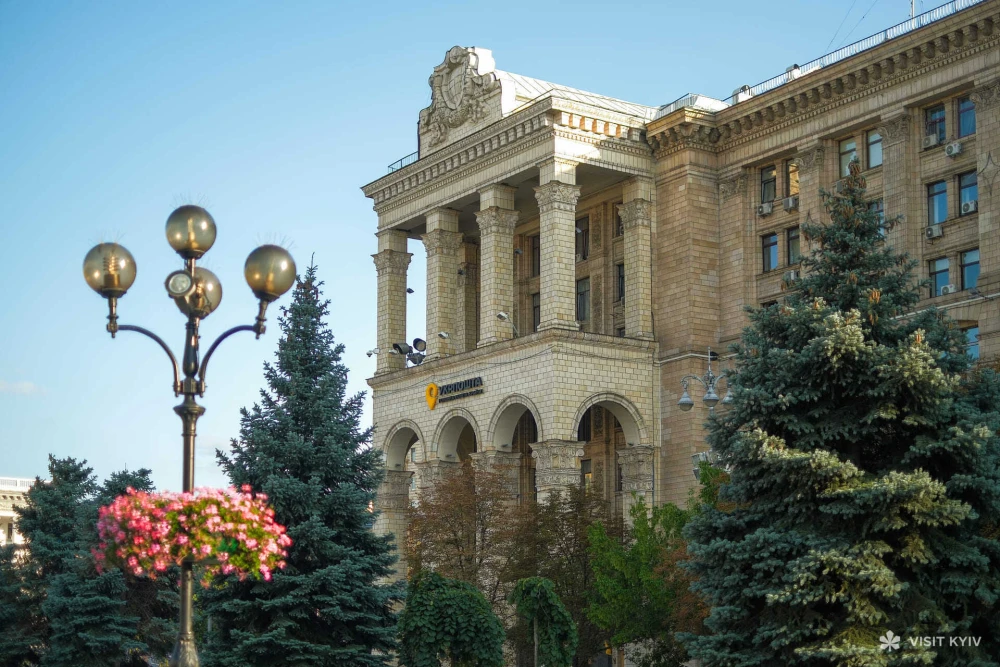
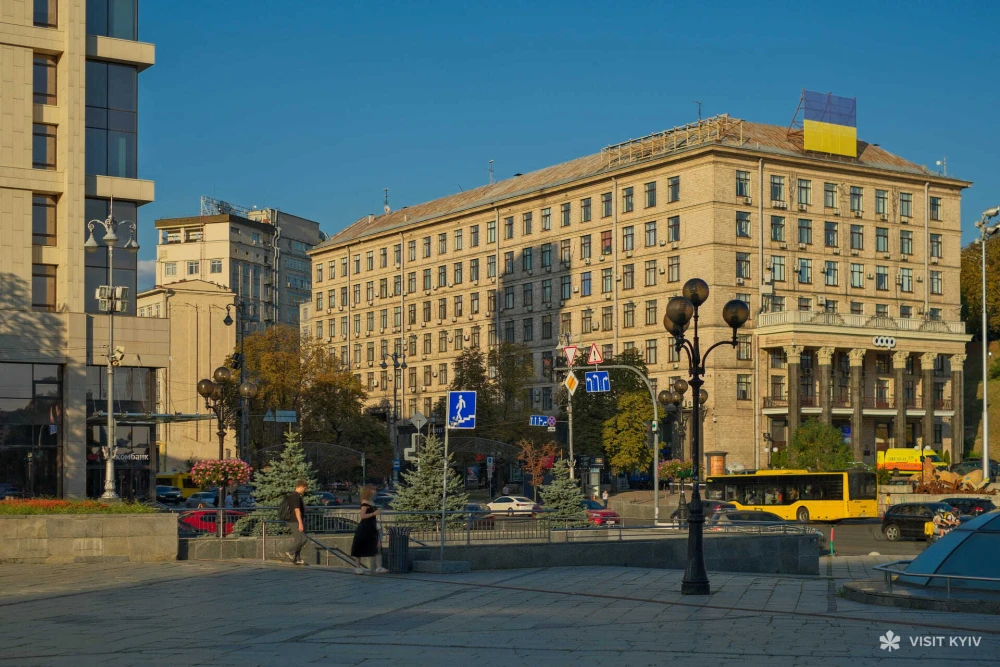
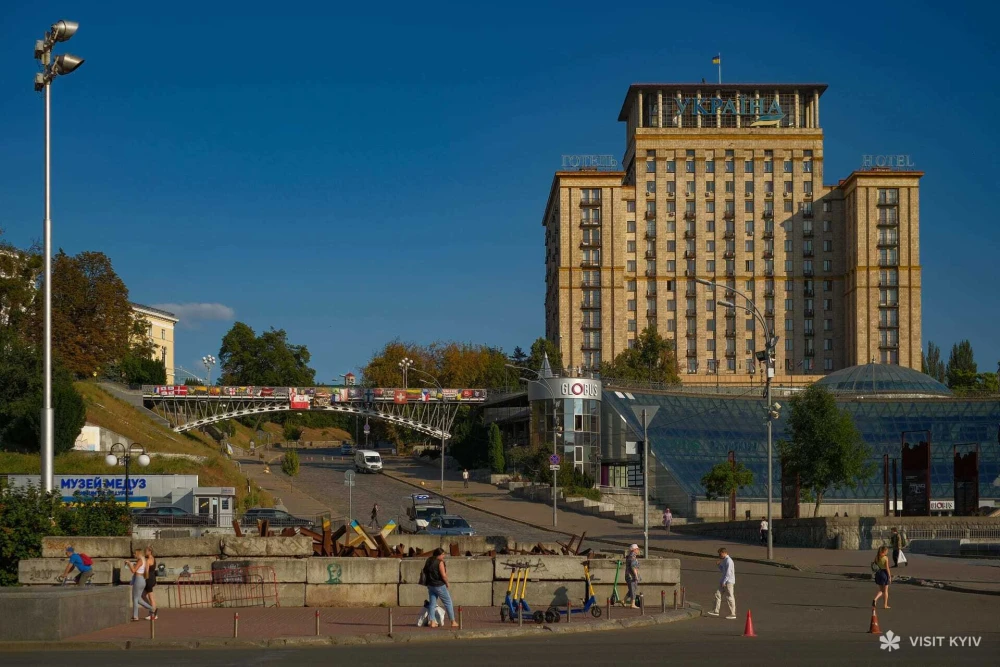
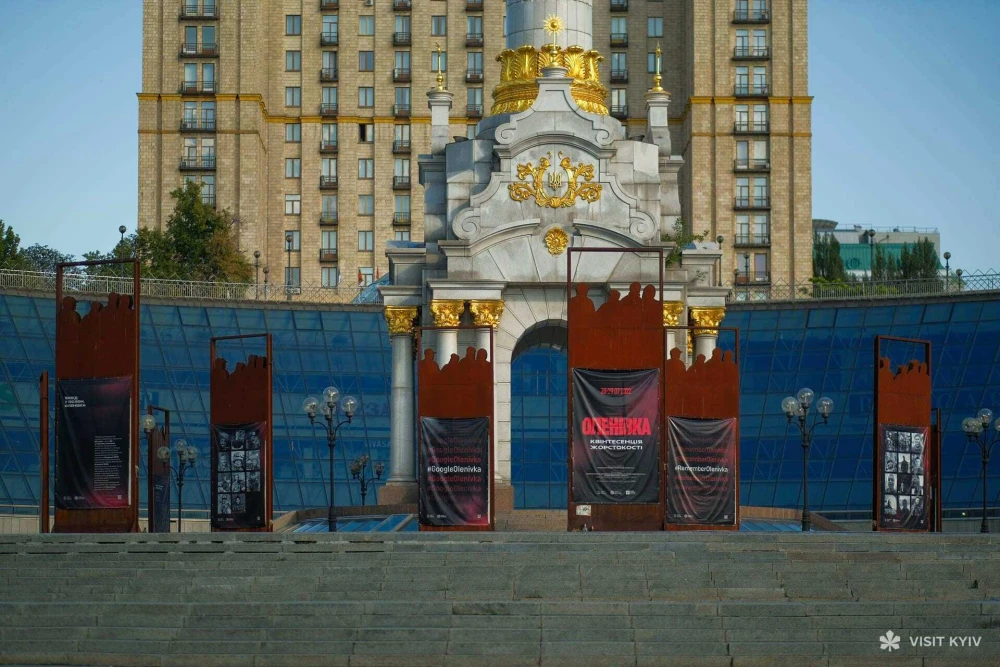
The Lyadski Gate, one of the entrances to medieval Kyiv, once stood near today’s Maidan. The route began close to the Golden Gate, and here you return to another former entrance to the old city — in a very different historical setting.
The Alley of the Heroes of the Heavenly Hundred is an optional extension for those who want to understand the events of the Revolution of Dignity in greater depth.
Next
From Maidan, continue to the People’s Memorial to Ukraine’s Fallen Defenders — from a place of collective action to individual lives.
7. The People’s Memorial to Ukraine’s Fallen Defenders: When History Becomes Personal
What changes when a national story becomes personal?
So far, this route has explored independence through squares, monasteries, landmarks and major historical events.
Here, the perspective changes.
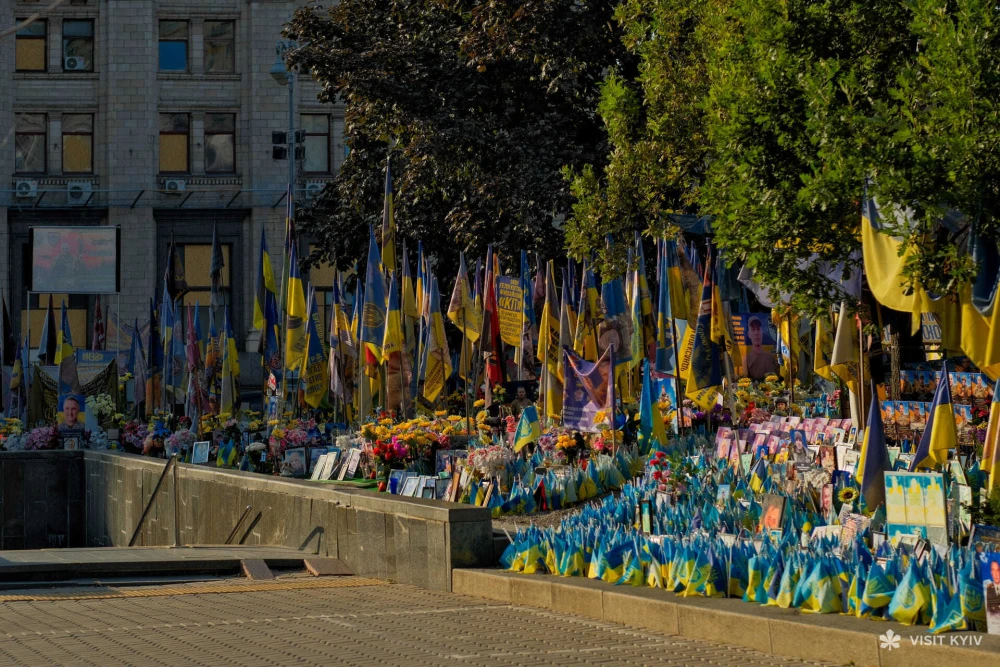
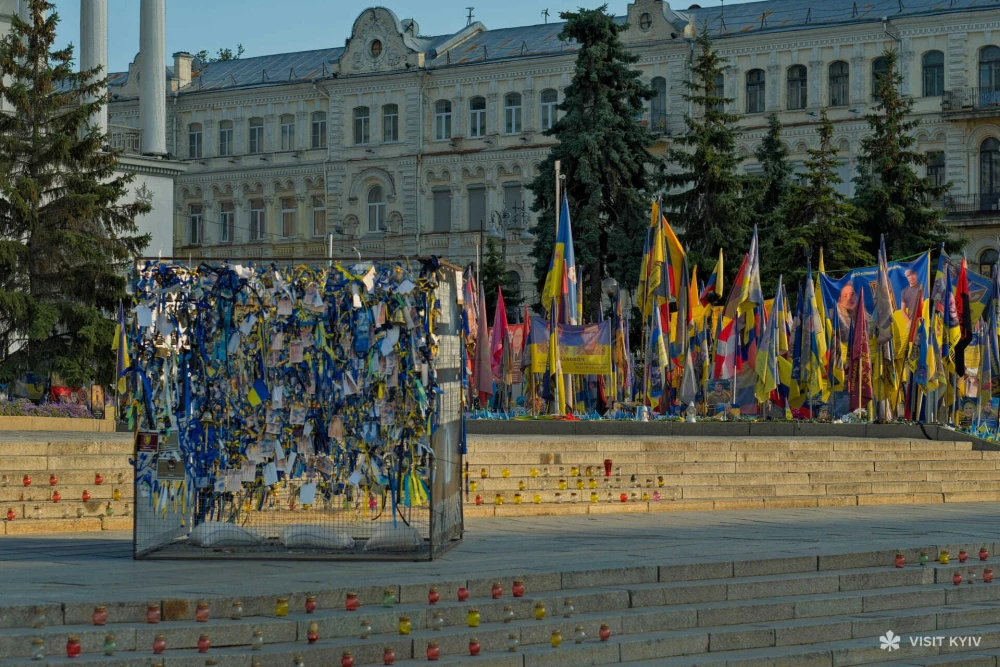
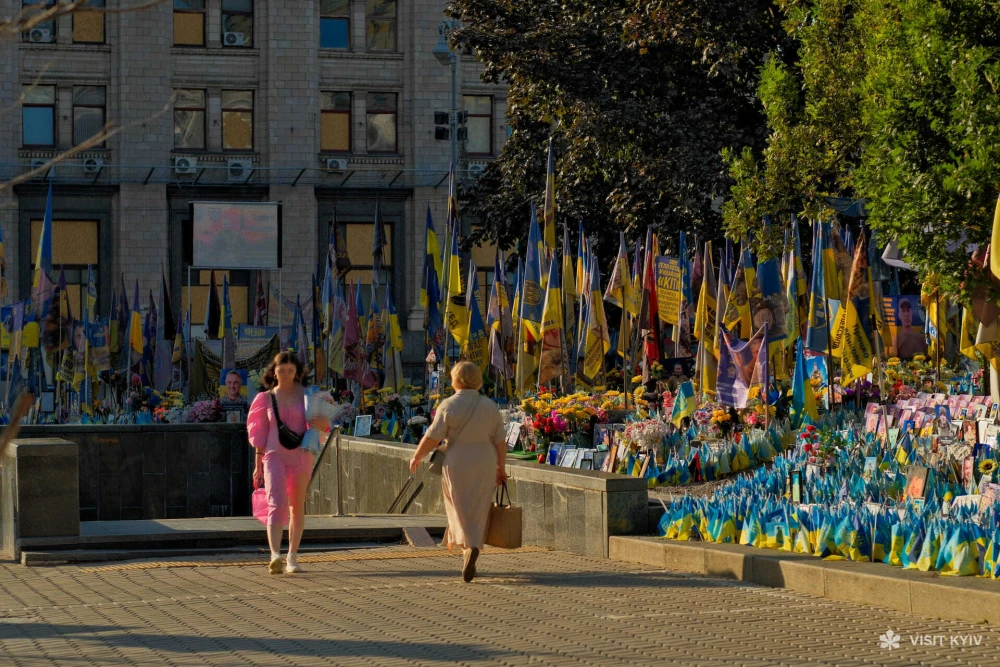
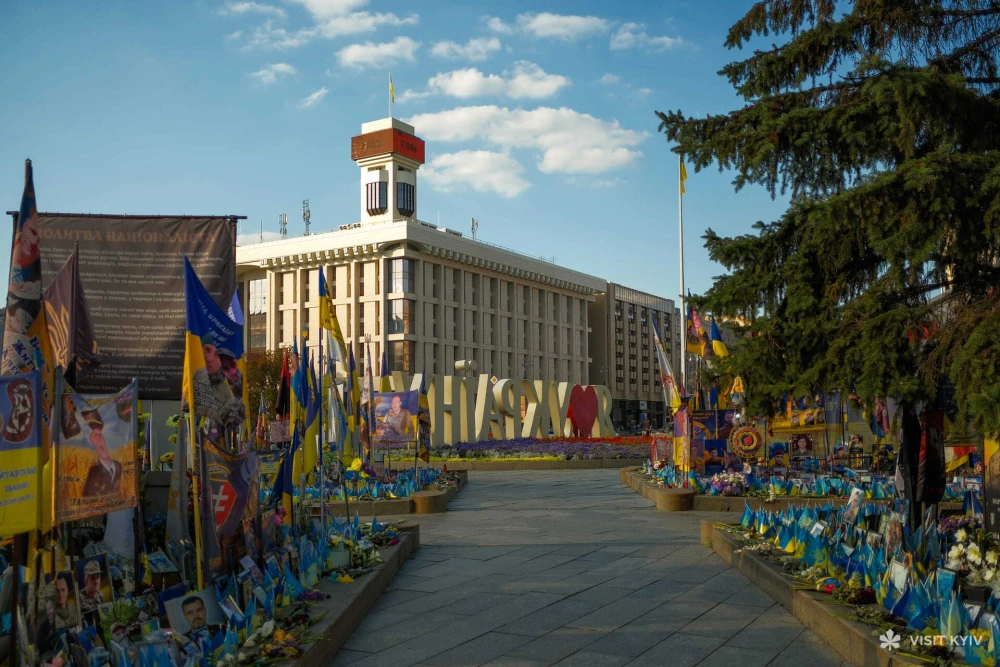
In front of you is the People’s Memorial to Ukraine’s Fallen Defenders. It was not created as a formal city monument. It grew gradually as people brought photographs, flags, flowers and personal belongings to honour those killed while defending Ukraine.
Here, the word “war” is no longer abstract. It is tied to names, faces and individual lives.
What to See
Walk slowly along the memorial and take time to look at the photographs and names.
Each one represents a person and a life beyond the memorial itself. Together, they form a place of remembrance in the heart of Kyiv.
Maidan is often associated with political events and civic protest. The memorial adds a quieter, more personal dimension to the square — a daily reminder of those who lost their lives defending Ukraine.
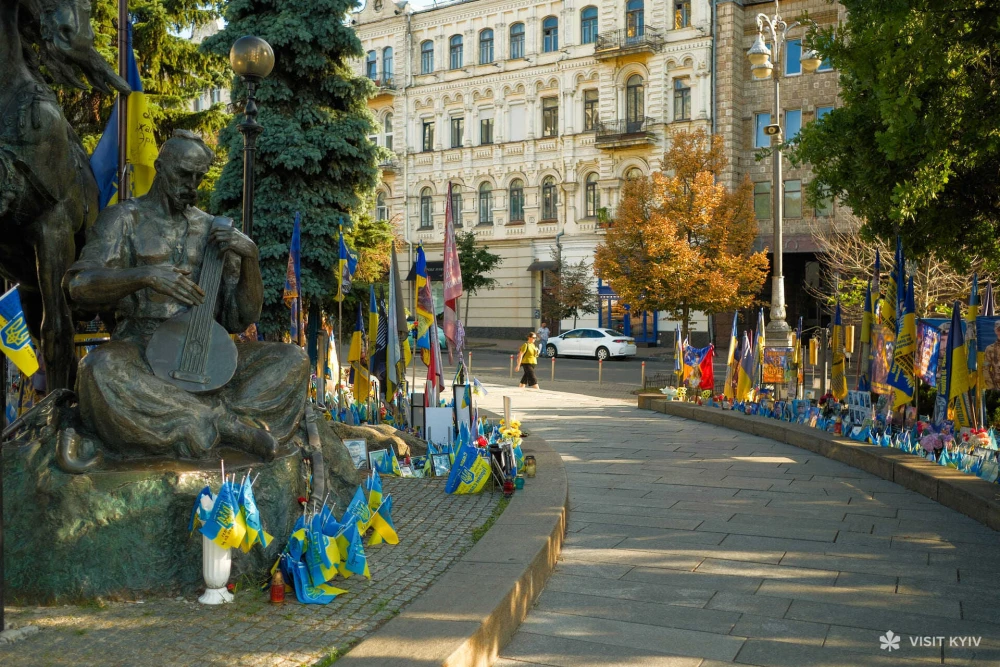
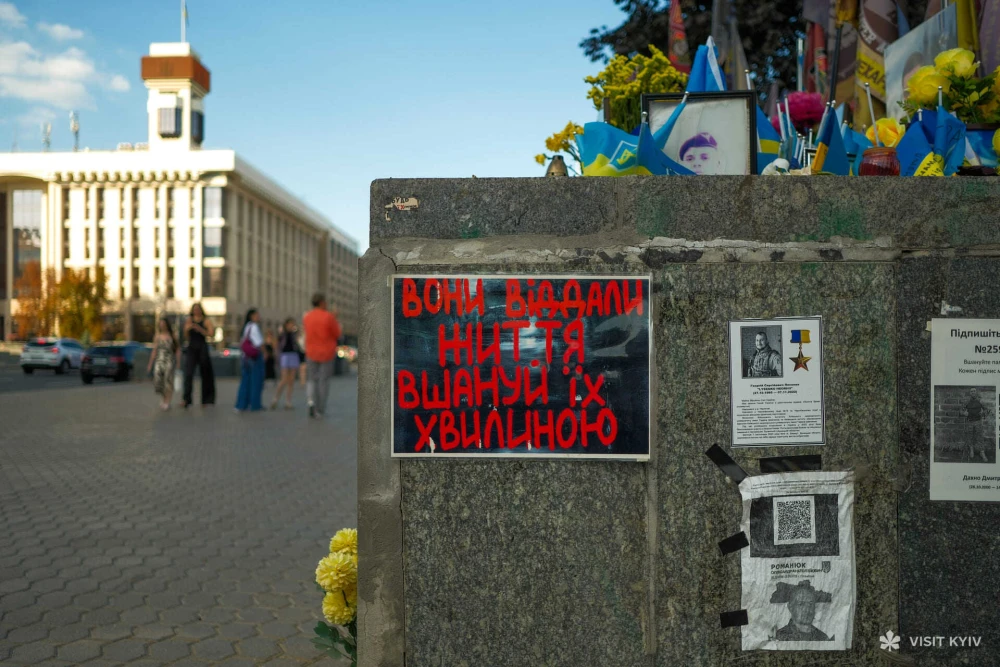
This is a place of remembrance, not a tourist attraction. Please do not touch personal items, keep your voice low, and do not photograph people who have come to honour loved ones without their permission.
Next
From the memorial, continue onto Khreshchatyk. Within a few minutes, you will see another side of present-day Kyiv: a city where the memory of war exists alongside everyday life.
8. Khreshchatyk: Everyday Life Alongside War
What does daily life look like when the war is always close?
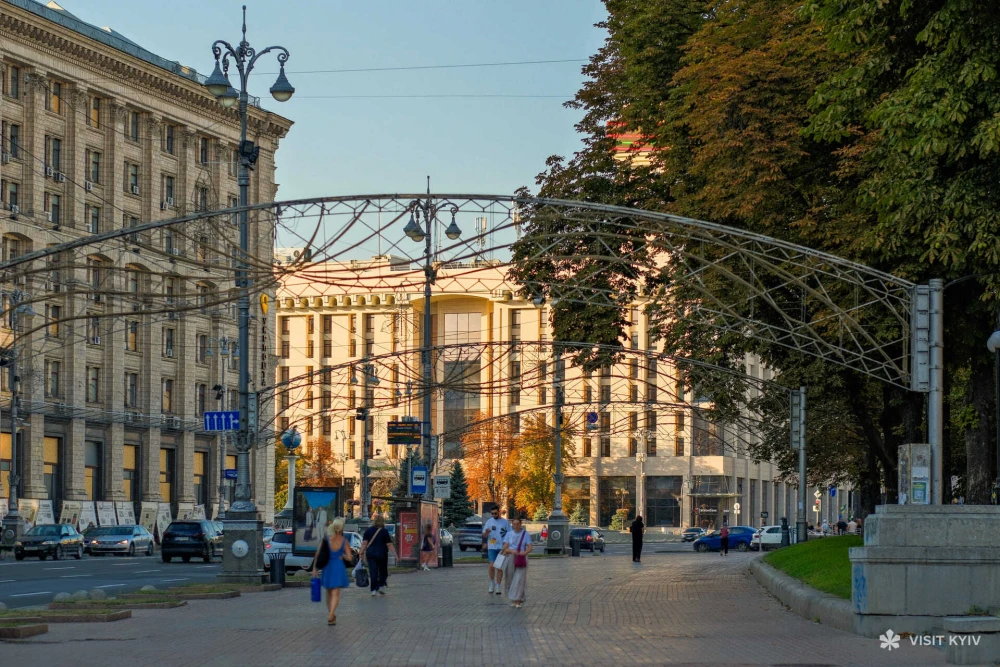
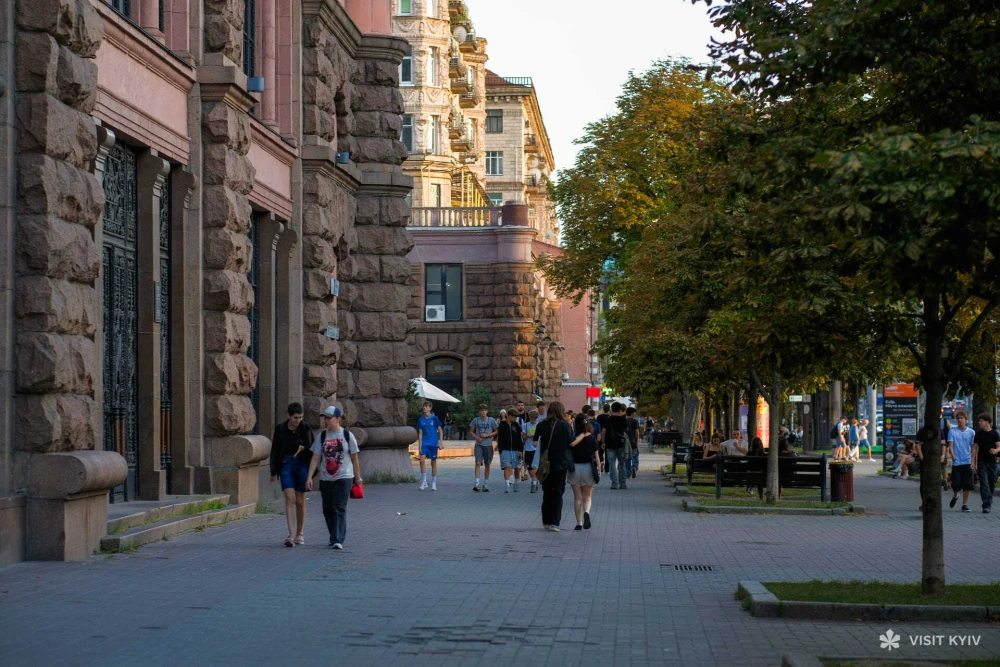
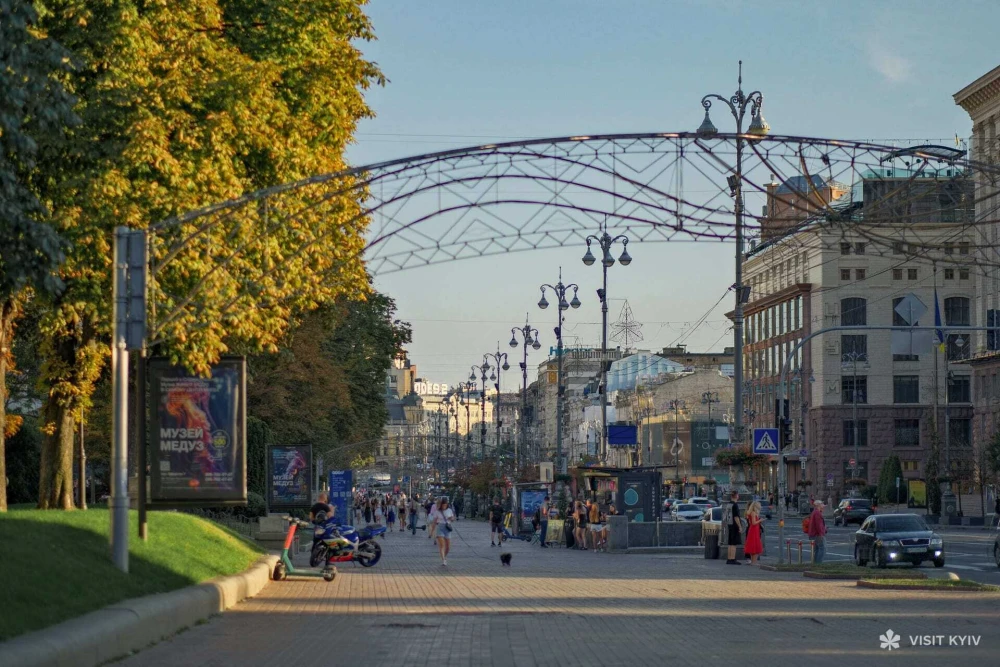
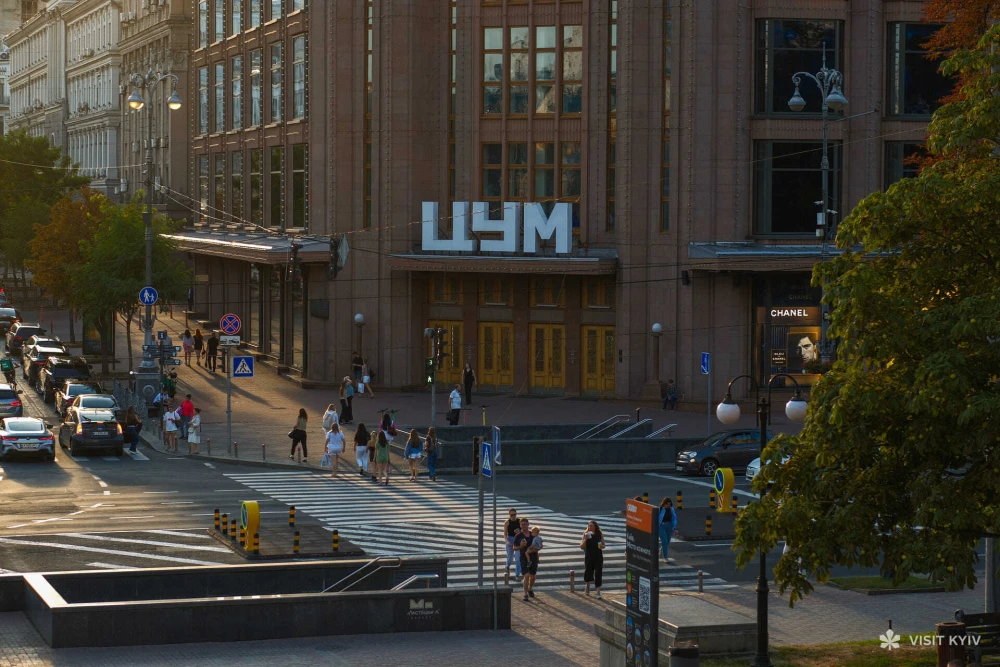
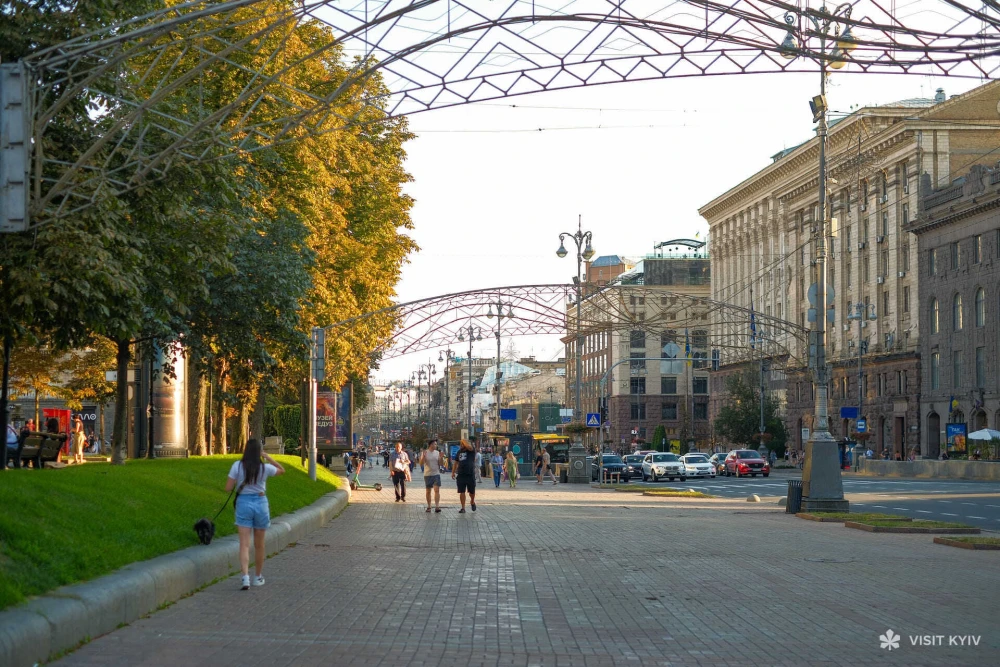
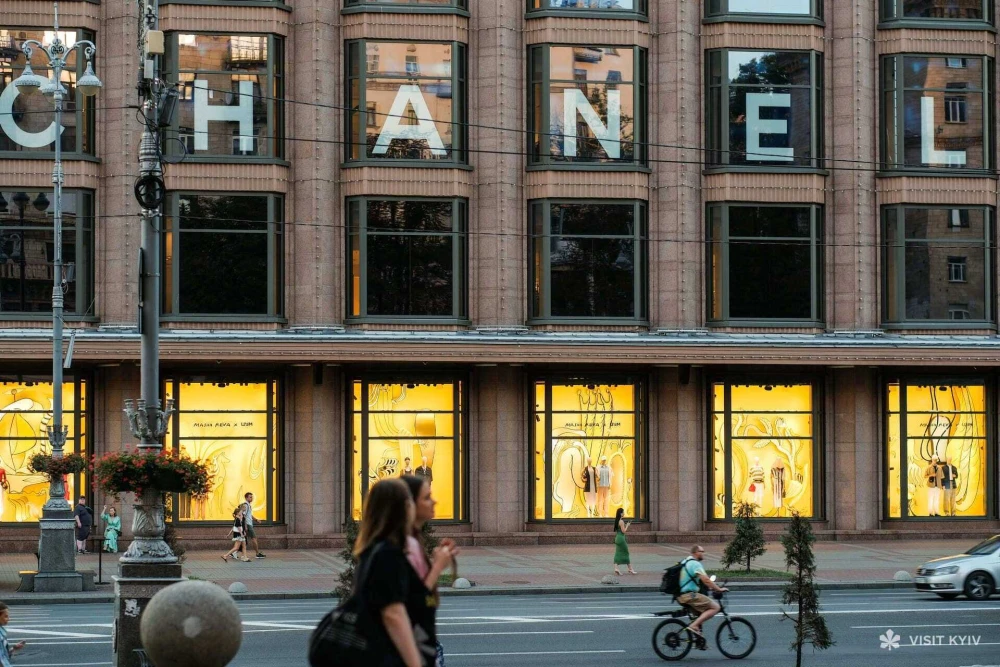
On Khreshchatyk, the contrast with the previous stop is immediate. Just a short walk from the memorial, shops and cafés are open, traffic moves through the centre, and people meet, work and go about their day.
This is part of everyday life in Kyiv: the war remains present, while ordinary routines continue alongside it.
Khreshchatyk also carries a history of destruction and rebuilding. Much of the central part of the street was destroyed in 1941 and later rebuilt in a different architectural style. The Khreshchatyk you see now looks very different from the street that existed before the Second World War.
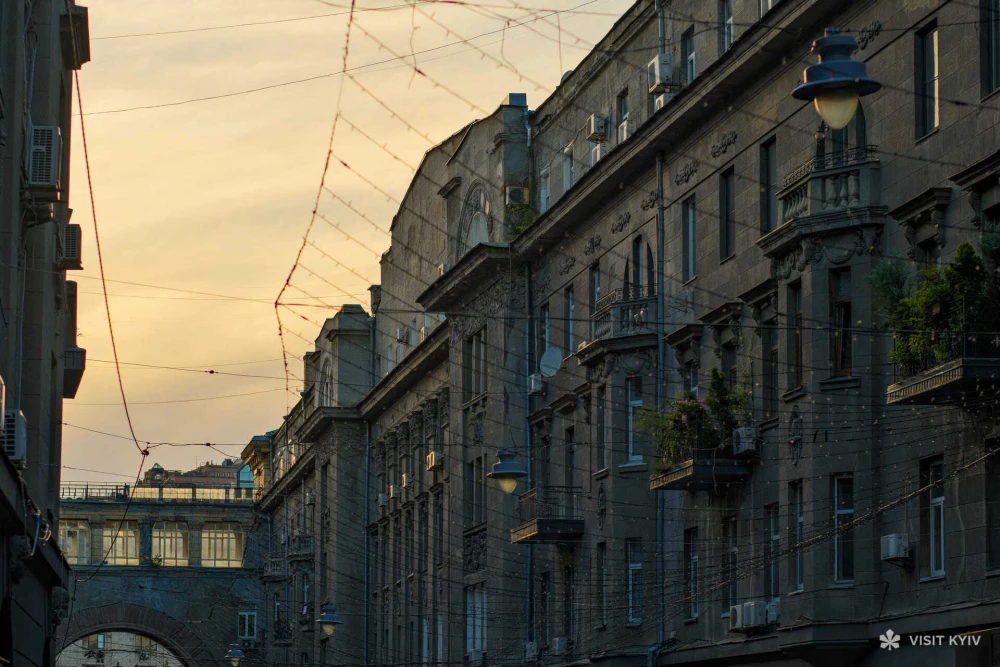
Local Story: Sens
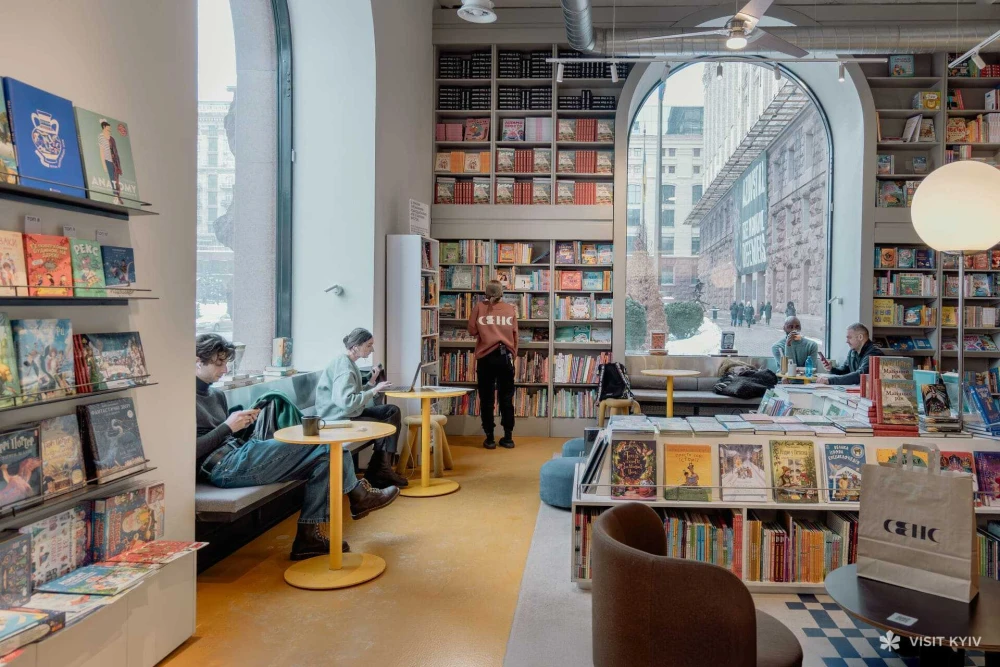
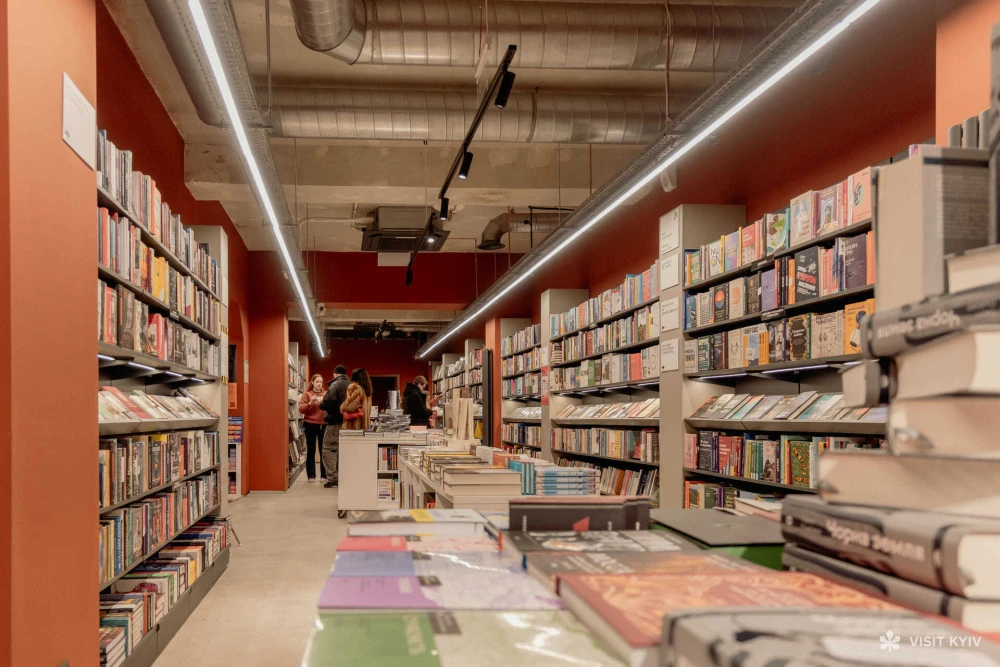
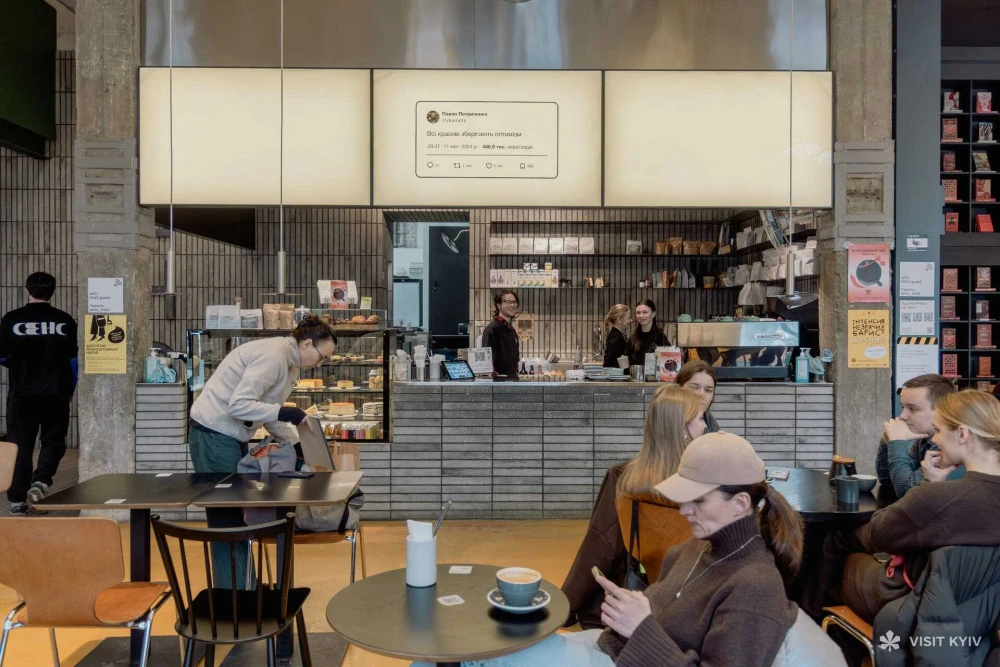
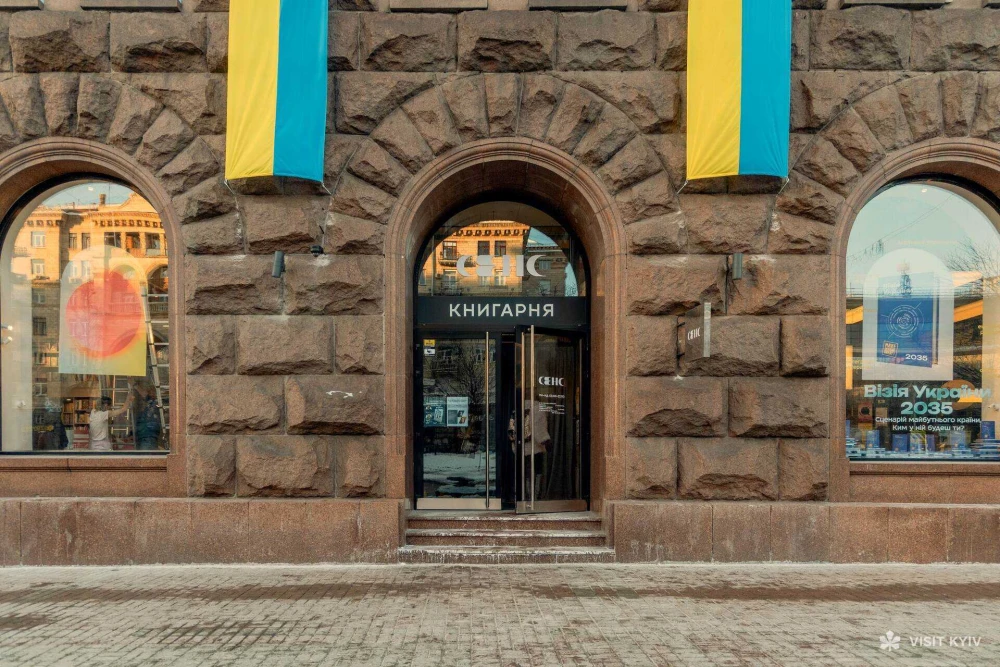
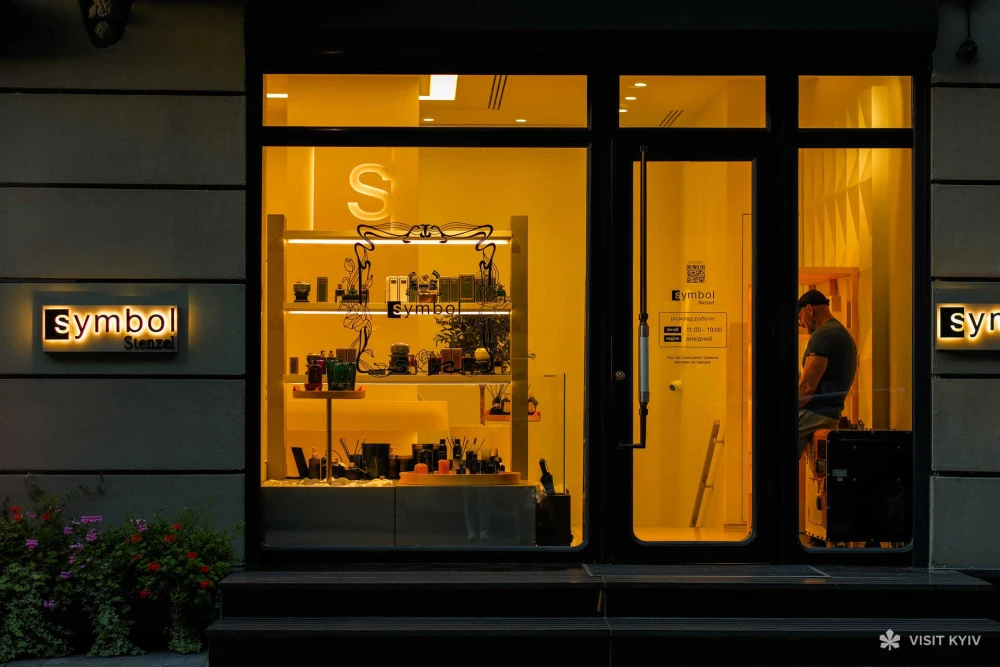
On the way to Franko Square, stop by Sens, a bookstore and café known for Ukrainian books, author talks, lectures, and public discussions.
If you have time, browse the shelves or check what is on that day.



Nearby, look out for the mini-sculpture Read — two bronze check marks inspired by messaging apps. Since the full-scale invasion, the simple sign that a message has been read has taken on a deeper meaning for many Ukrainians, especially when loved ones are serving on the front line, living under shelling or in occupied territories.
Next
Head towards Ivan Franko Square through the Passage, built in 1913–1914. Its façades and decorative details offer a glimpse of central Kyiv before much of Khreshchatyk was destroyed in 1941.
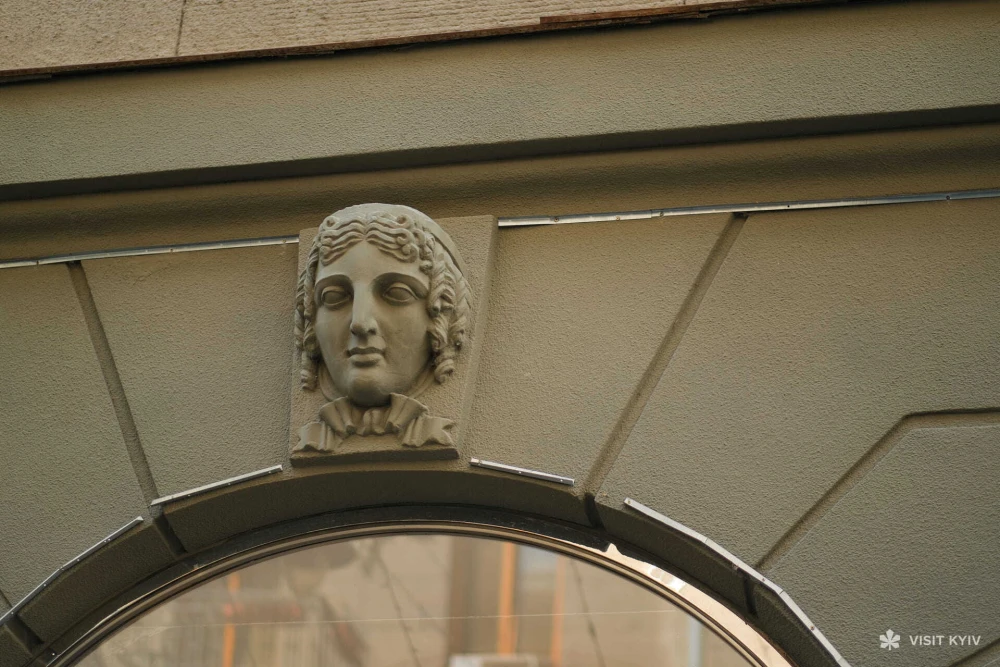
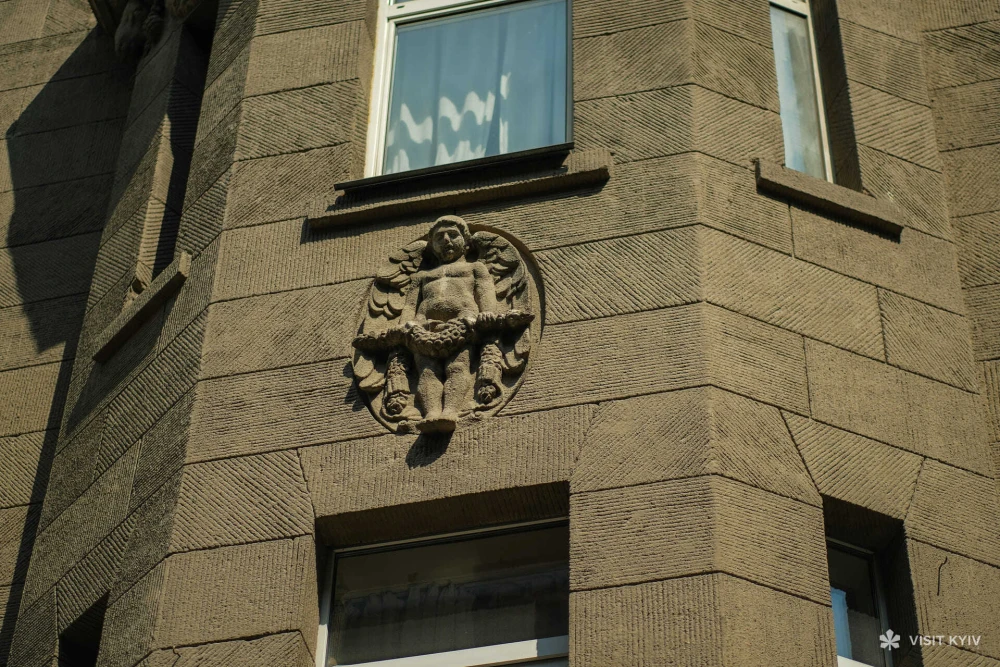
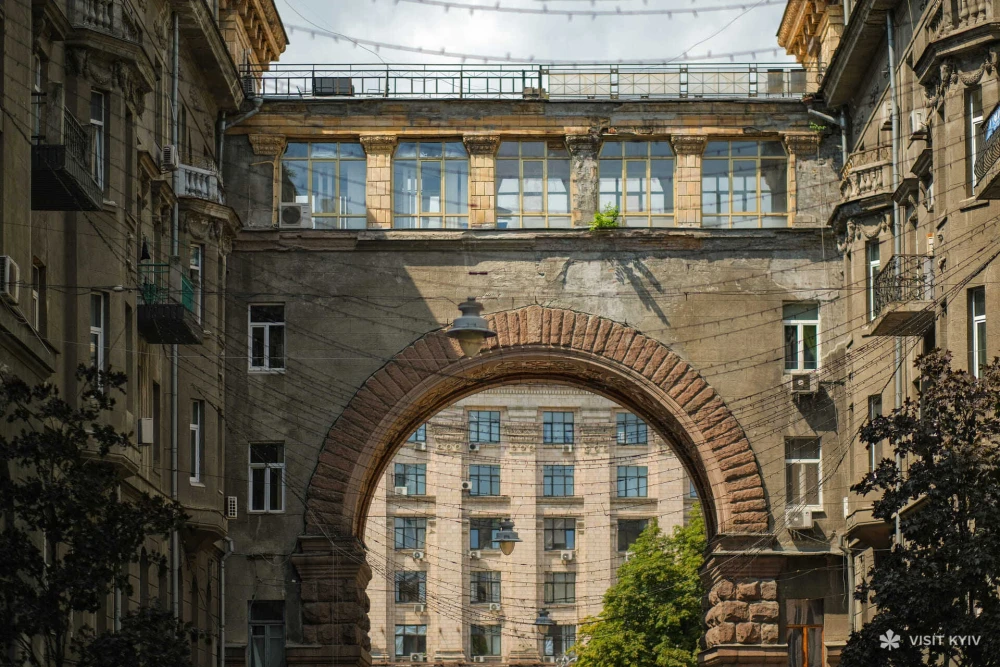
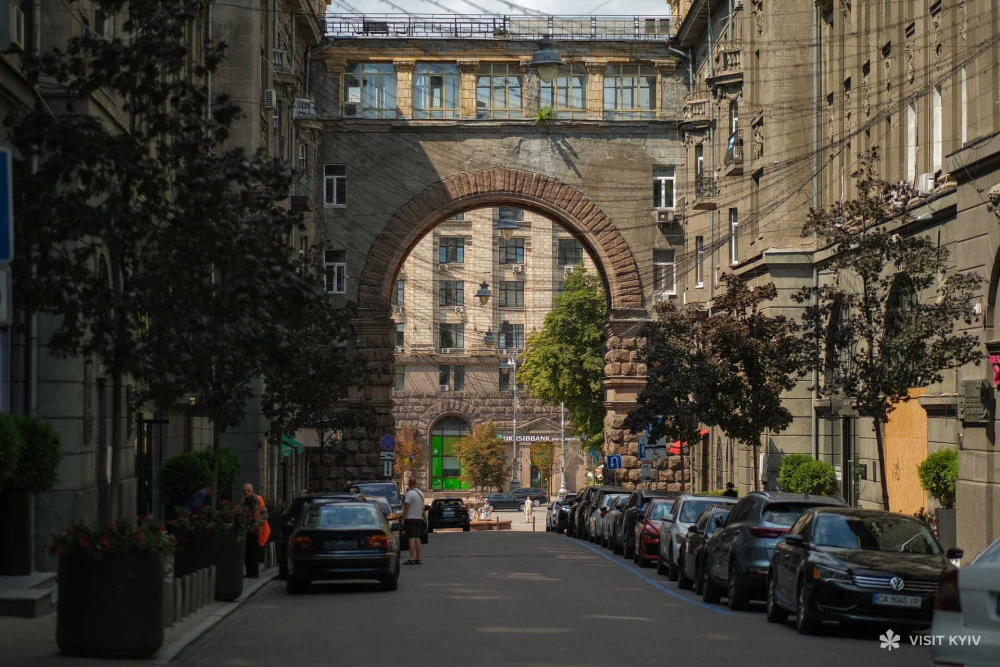
From here, it is a short walk to the final stop: the Franko Theatre.
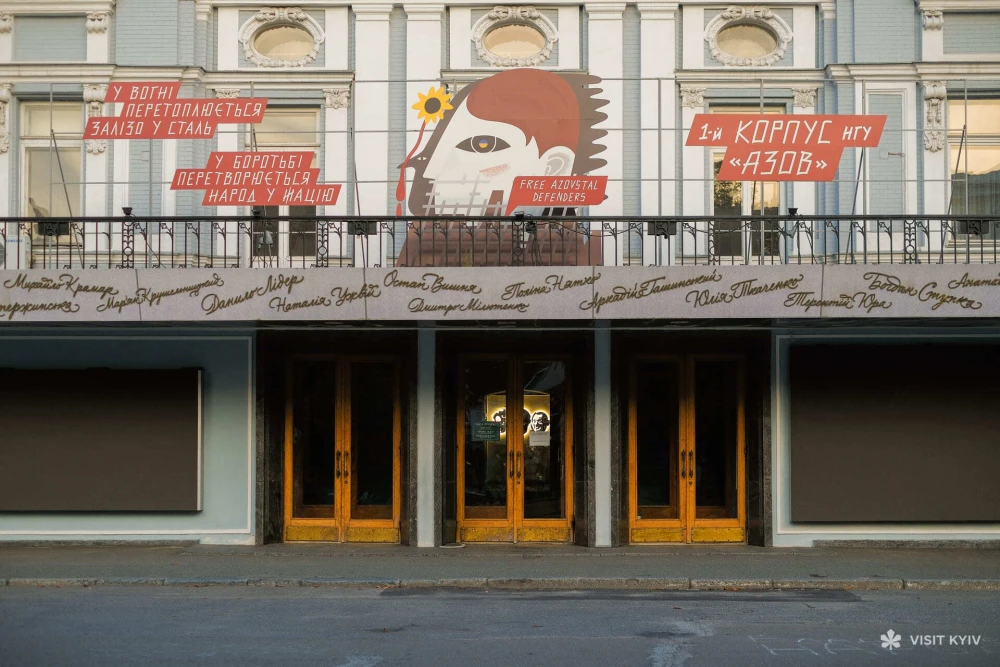
9. Franko Theatre: Why Culture Matters to an Independent Country
Why end the route at a theatre?
We deliberately chose not to finish this walk at a monument or memorial.
Independence is also expressed through culture: through the stories a country tells, the works it returns to, the new ones it creates and the ways it makes sense of the present.
That is why the route ends at the Franko Theatre.
What to See
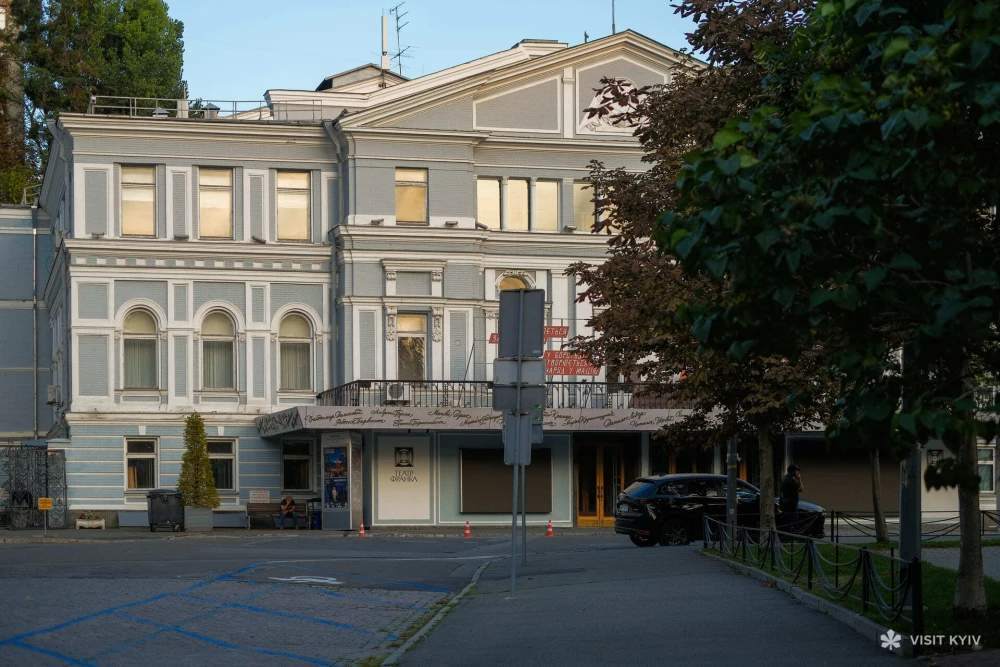
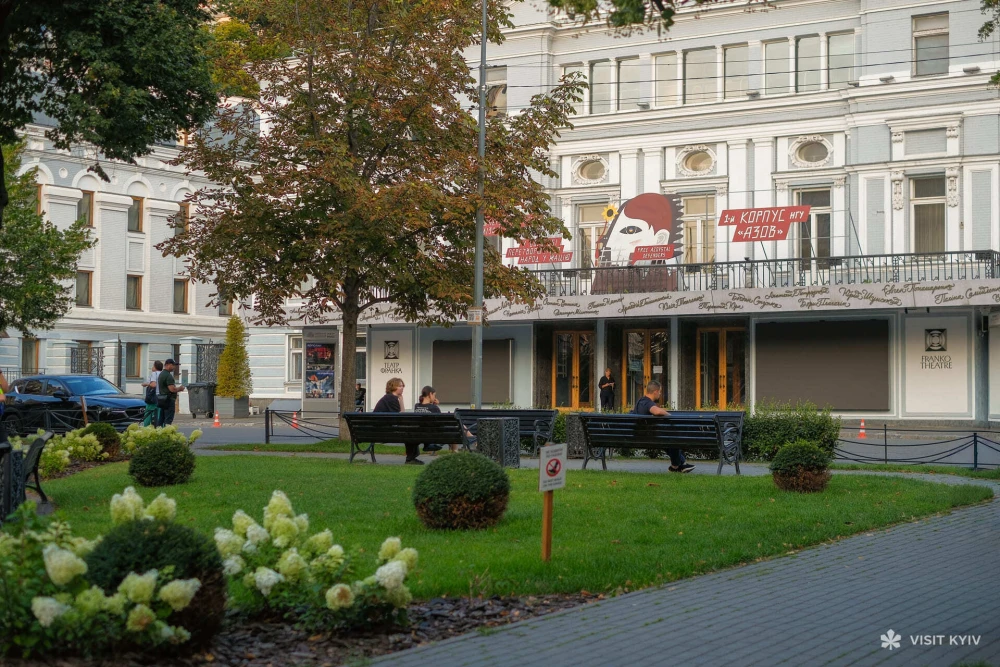
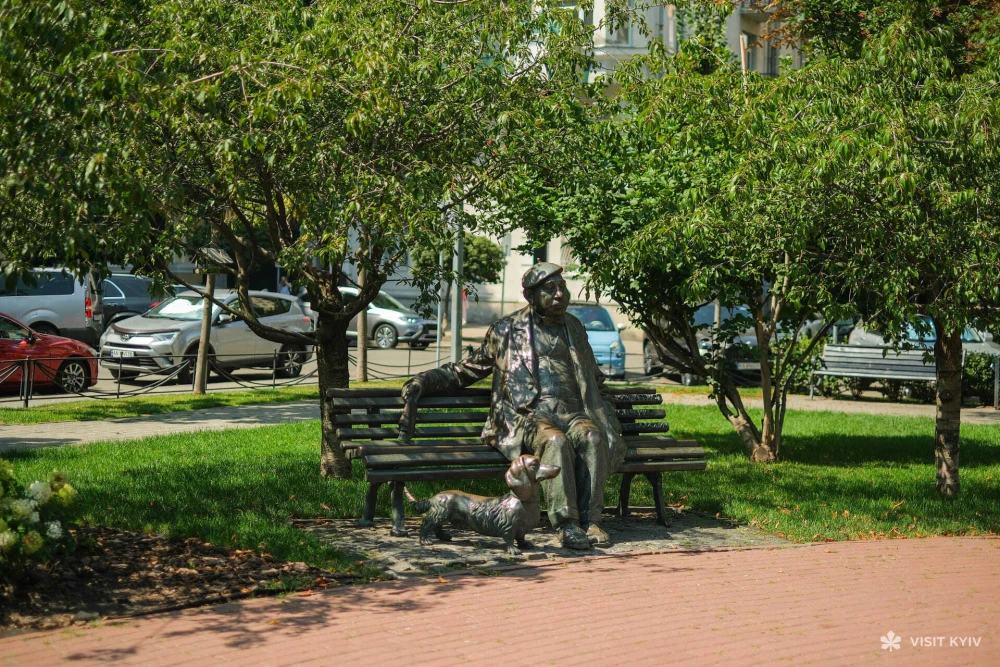
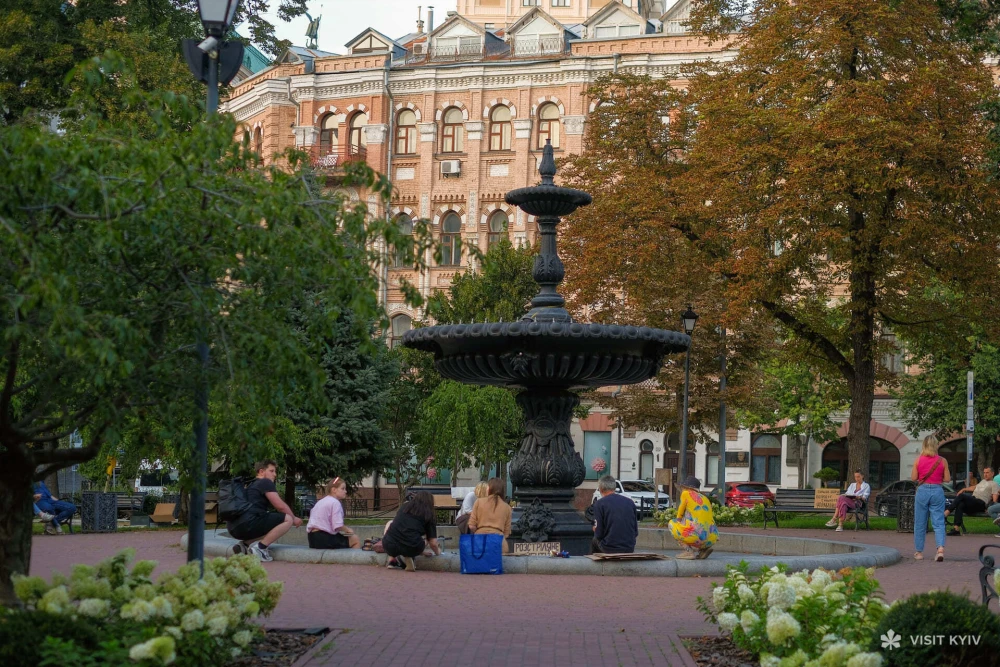
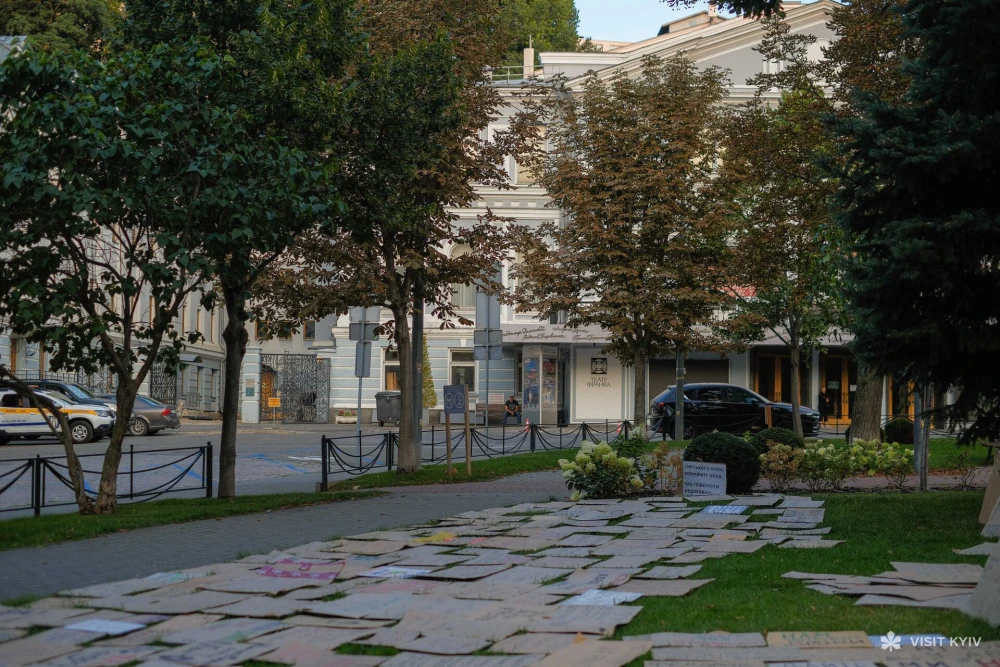
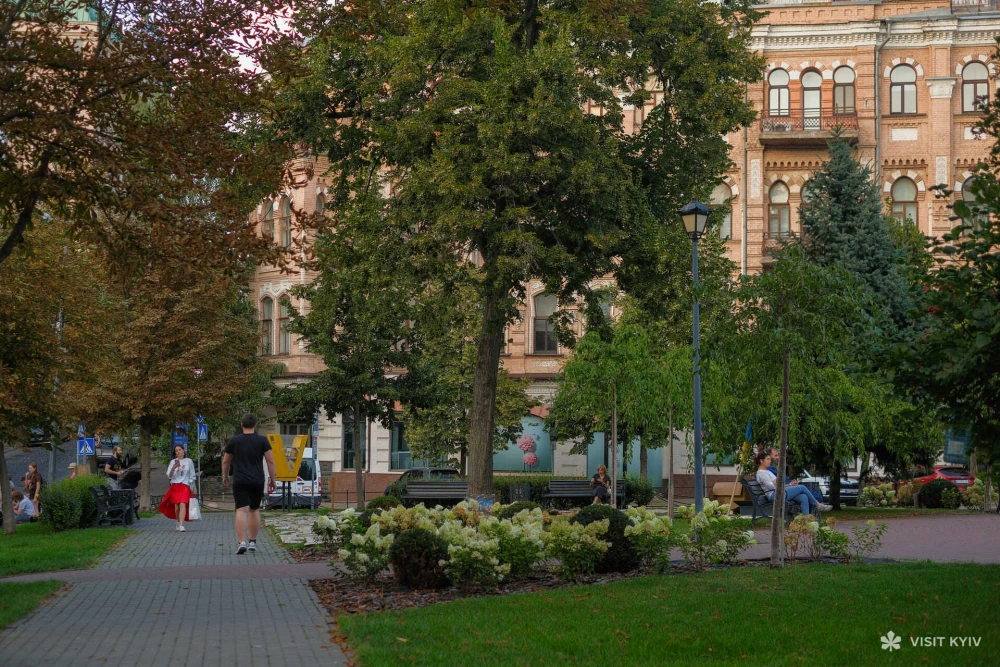
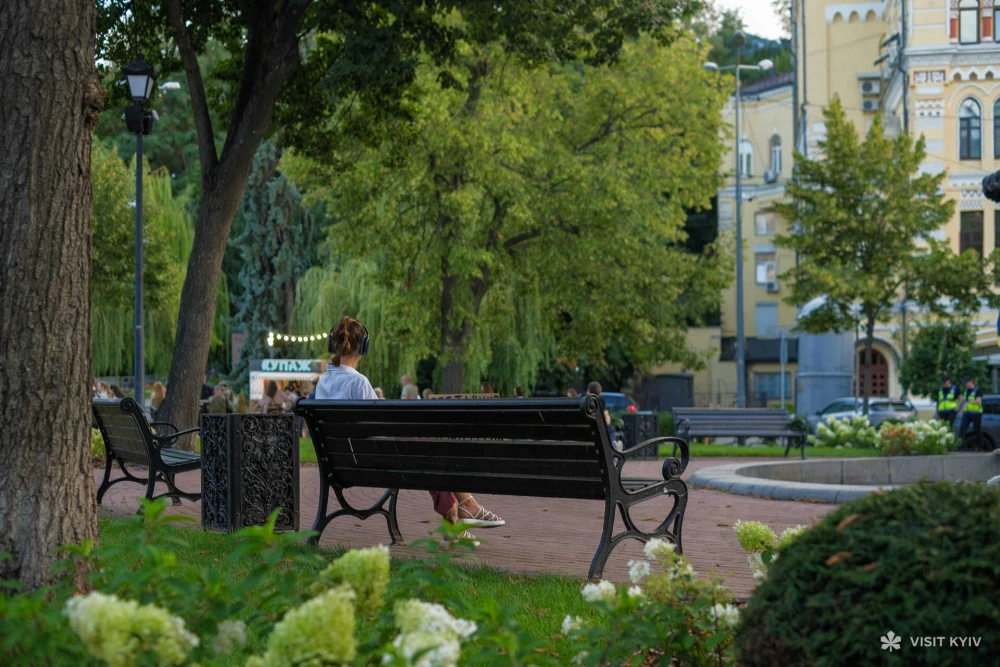
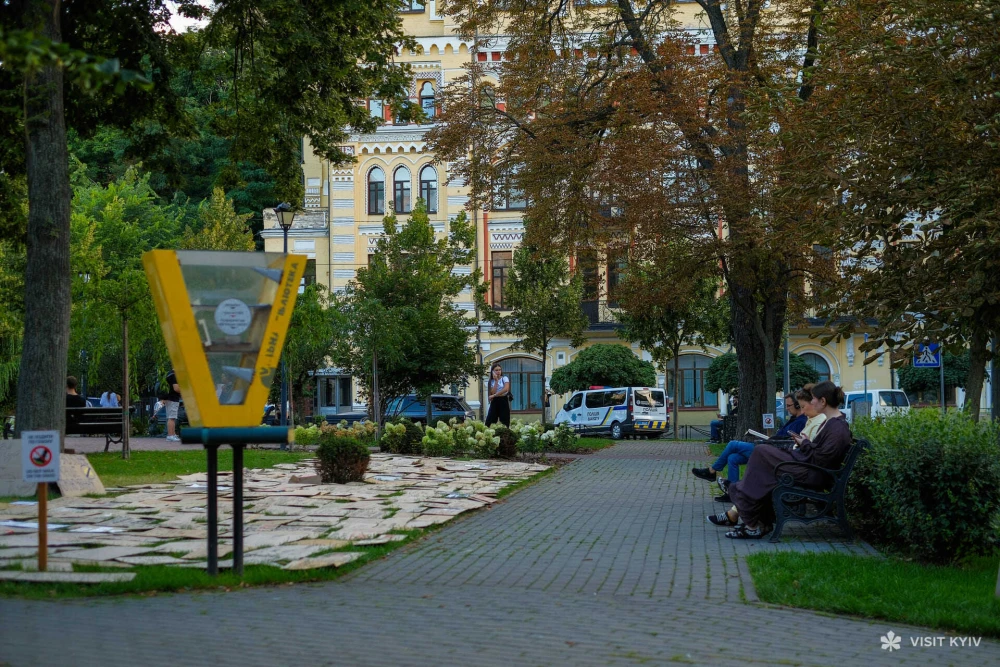
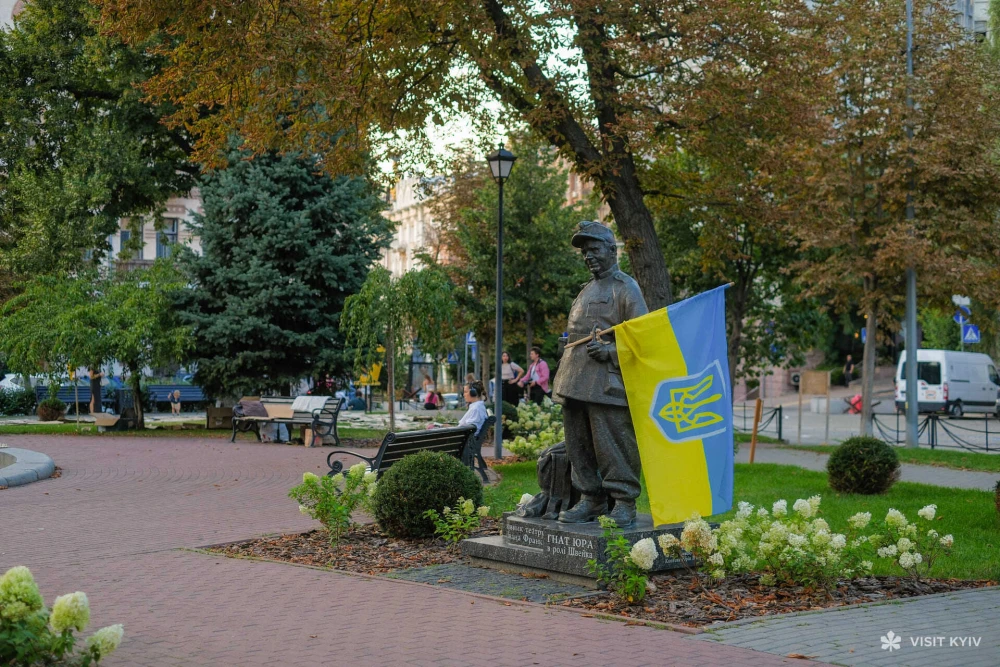
Ivan Franko Square feels very different from Maidan. It is smaller, greener and tucked away near Kyiv’s government quarter. Here you will find monuments to Ivan Franko, Mykola Yakovchenko and Hnat Yura, the Termen Fountain, and audiences gathering outside the theatre before performances.
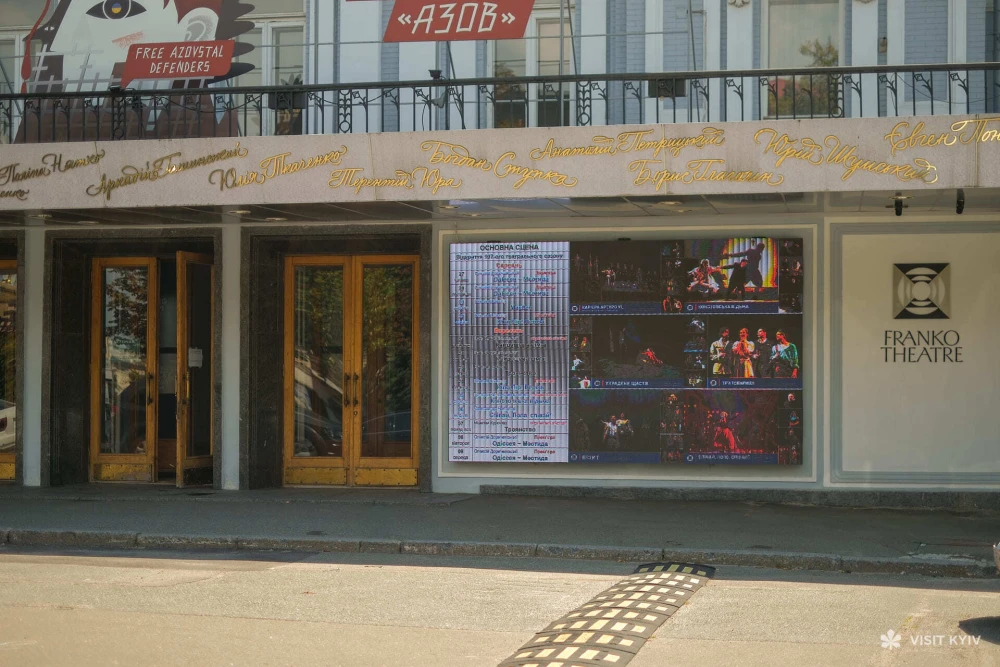
Take a look at the current programme. Since the full-scale invasion, Ukrainian theatre has drawn renewed public attention. One notable example is The Witch of Konotop, a classic Ukrainian work that returned to the stage in a new production and became part of a wider contemporary cultural conversation.
Check the programme in advance. Seeing a performance can be a natural way to continue the experience.
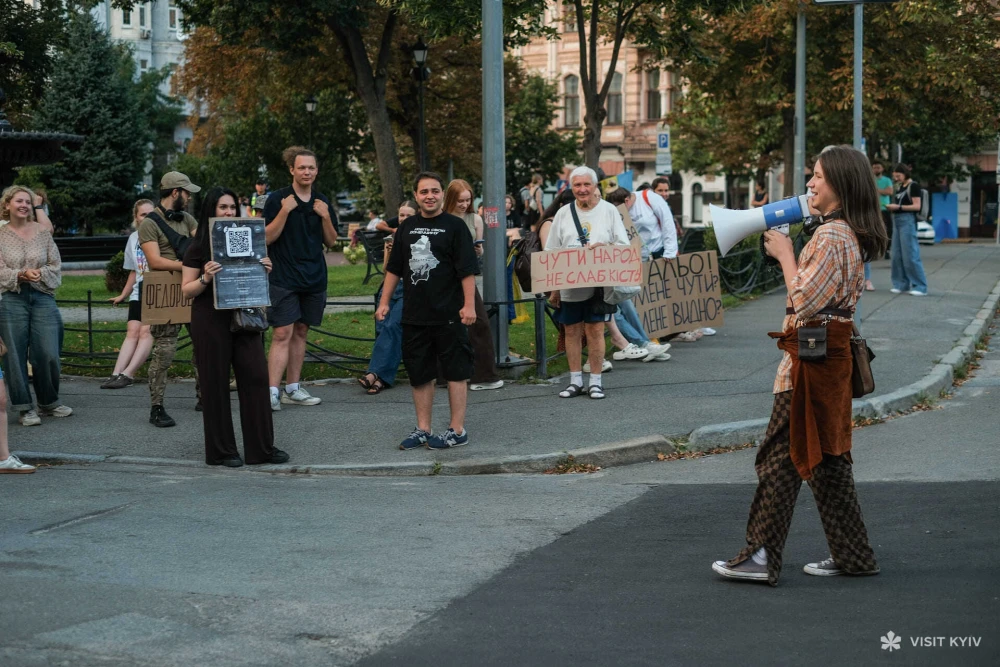
The square also has a civic role. Because it sits close to the government quarter, it is sometimes used for public gatherings as well as cultural events.
Conclusion
We began at a gate through which people once entered medieval Kyiv. We end at a theatre where contemporary Ukraine continues to tell its own stories.
Optional Detour: Alley of the Heroes of the Heavenly Hundred
If you want to understand the Revolution of Dignity in greater depth, add the Alley of the Heroes of the Heavenly Hundred to your walk.
Some of the most dramatic events of February 2014 took place along this section of the former Instytutska Street. Today, the alley commemorates the Heroes of the Heavenly Hundred — those who were killed during the Revolution of Dignity.
Walk slowly and take time to notice the memorials, photographs and information displays. They connect the events of Maidan with the people who lived through them and the exact places where they unfolded.
Why is this an optional detour?
The way from Maidan to the alley is uphill, so this section requires a little more effort. It is also one of the more emotionally difficult parts of the walk.
Add it depending on your time, energy, and how deeply you want to explore the history of the Revolution of Dignity.
If you visit, take your time. This is a place of remembrance, not simply another sightseeing stop. Keep your voice low, do not touch memorial objects, and do not photograph people who have come to honour the fallen without their permission.
How to Get There
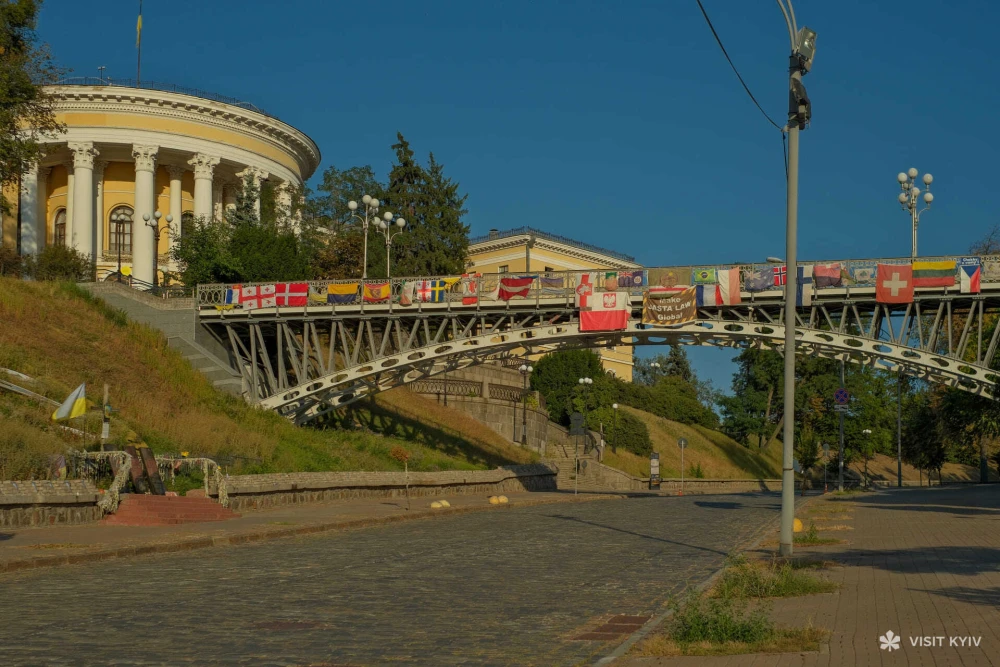
From Franko Square, walk up Olhynska Street towards the alley. Alternatively, approach from Instytutska Street and view the area from the pedestrian bridge.
FAQ

Ukraine celebrates Independence Day every year on August 24. The date marks the adoption of the Act of Declaration of Independence in 1991 and is the country’s main national holiday celebrating modern Ukrainian independence.
On August 24, 1991, the Verkhovna Rada adopted the Act of Declaration of Independence of Ukraine, formally proclaiming Ukraine an independent state.
This became the legal foundation of modern Ukrainian independence.
On August 24, the Verkhovna Rada declared Ukraine’s independence. On December 1, 1991, Ukrainians confirmed that decision in a nationwide referendum.
These were two connected but distinct steps: parliament declared independence, and voters across the country later endorsed that decision.
The format has changed during the full-scale war. Kyiv may host official ceremonies, cultural events, exhibitions, guided walks and other events focused on independence, memory and contemporary Ukrainian culture.
The programme changes each year, so check the latest city announcements and VisitKyiv’s Independence Day event guide before August 24.
Kyiv remains under the conditions of full-scale war, so no visit can be considered completely risk-free. If an air raid alert begins, follow official guidance and go to the nearest shelter or another designated safe location.
Before heading out, check current city updates, temporary restrictions and the latest safety guidance.
Opening hours vary by venue. Some museums and cultural institutions may follow a special holiday schedule, host dedicated events or close for the day.
Before starting the route, check the latest opening hours for St Sophia’s Cathedral, the Golden Gate, Ukrainian House and any other places you plan to visit.


