St. Sophia’s Cathedral
About St. Sophia’s Cathedral
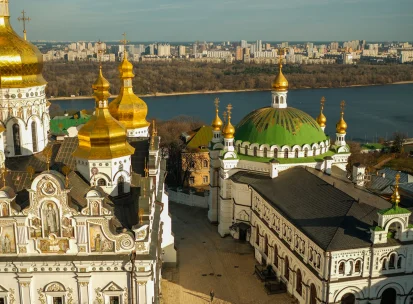
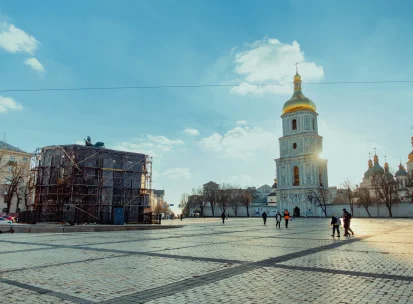
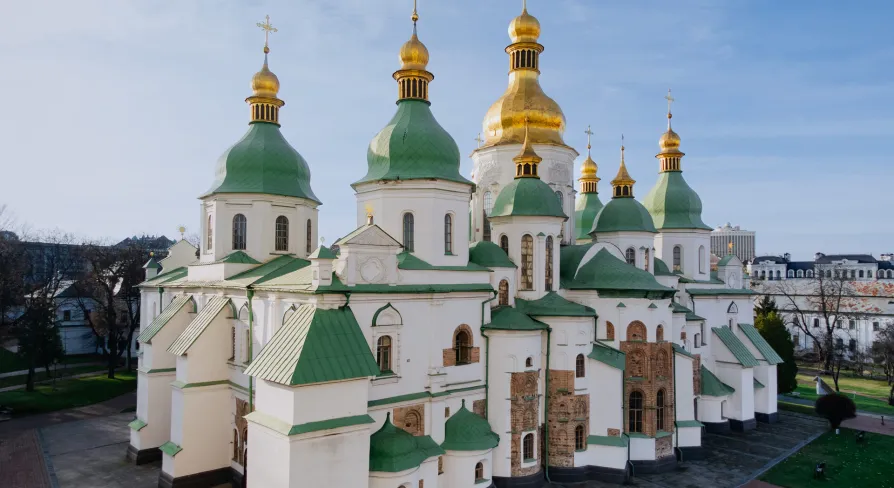
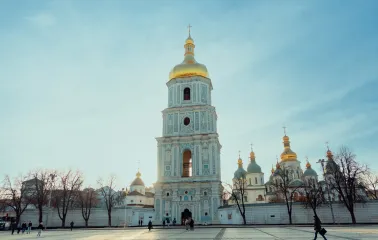
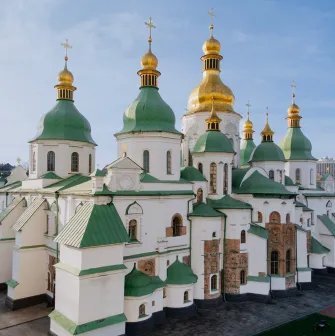
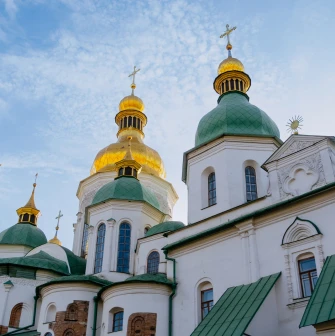
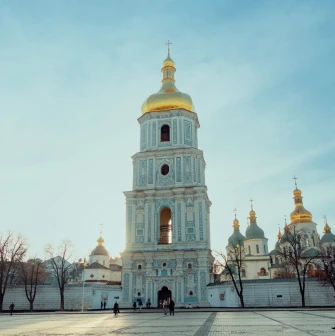
St. Sophia’s Cathedral is a principal symbol of Kyivan Rus and a UNESCO World Heritage Site. Founded in 1037, it is one of the oldest cathedrals in Ukraine. Today, it functions not as a religious site but as a historical and architectural museum — part of the National Sanctuary “Sophia of Kyiv.” The complex also includes the Bell Tower, the Metropolitan’s House, the Zaborovsky Gate, the Refectory (Bread House), the Southern Entrance Tower, and former monastic buildings.
Why visit St. Sophia’s Cathedral
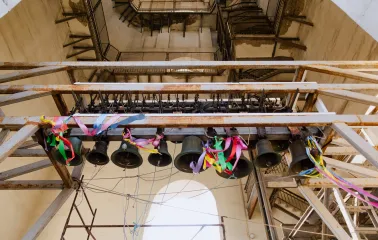
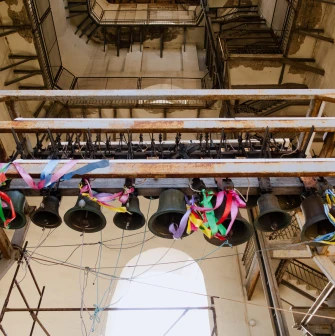
- 76-meter Bell Tower: Its viewing platforms offer sweeping views of Kyiv’s historic center, including Volodymyr Hill, the Golden Gate, and Podil.
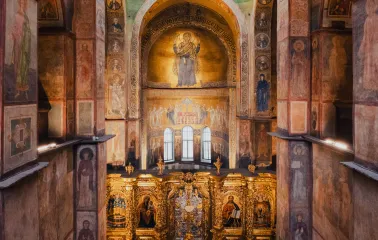
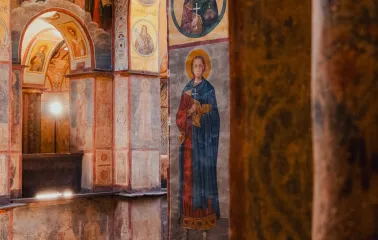
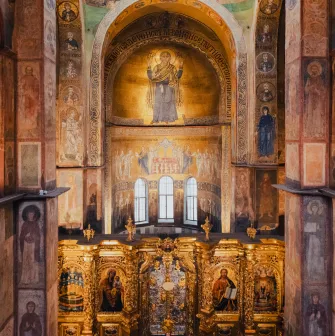
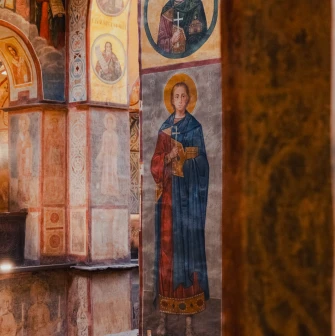
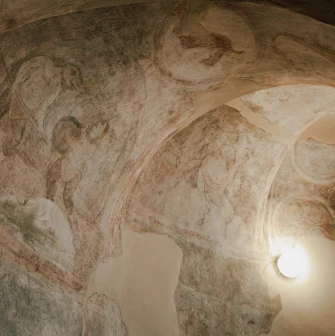
- 11th-century mosaics and frescoes: The most famous is the six-meter-high Oranta (The Virgin Orans) mosaic, located in the cathedral’s central apse above the altar.
- Museum and exhibition spaces: The complex regularly hosts art, photography, and multimedia exhibitions. Check the museum’s website for the current schedule.
- Tranquil grounds for a peaceful walk: In summer, the grounds are perfect for a stroll amid greenery; in winter, the snow transforms the area into a fairytale-like scene.
A one-hour visit is enough to explore the cathedral, bell tower, and surrounding grounds. For a deeper experience of the entire “Sophia of Kyiv” complex, plan to spend 2–3 hours.
Admission:
Adults: 150 UAH
Students and schoolchildren: 75 UAH
Photos: VisitKyiv.com
Q&A about St. Sophia’s Cathedral

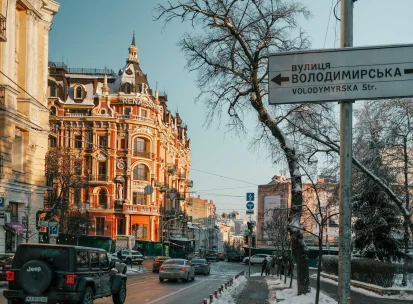
The official Saint Sophia Cathedral Kyiv address is 24 Volodymyrska Street, Kyiv, 01001. It is located in the heart of the historic Upper Town, directly across from St. Michael’s Golden-Domed Monastery on Sofiiska Square.
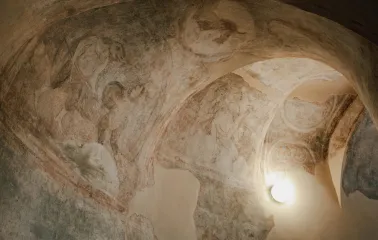
Yes, Saint Sophia Cathedral was the first site in Ukraine to be inscribed on the UNESCO World Heritage List (in 1990). It is recognized for its unique 11th-century architecture and the world’s largest collection of authentic mosaics and frescoes from that period.
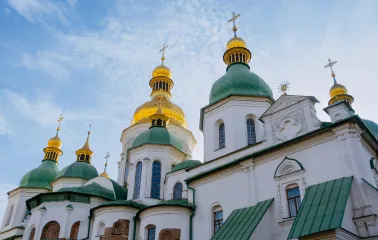
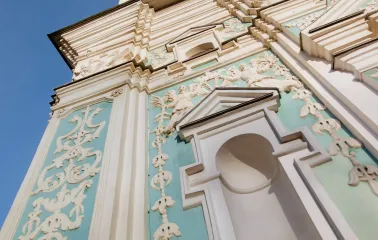
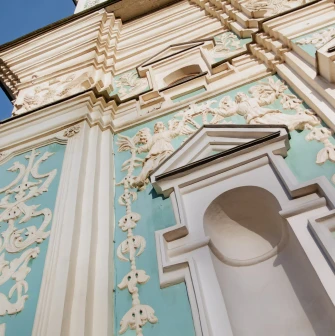
The Saint Sophia Cathedral Kyiv history dates back to its foundation in 1037 by Prince Yaroslav the Wise. Built to celebrate his victory over the Pechenegs, it served as the social, political, and religious center of Kyivan Rus. Though its exterior was remodeled in the Ukrainian Baroque style in the 17th-18th centuries, the interior remains a remarkably preserved 1,000-year-old masterpiece.