


“I realised I wanted to build my life in Ukraine”: an American teacher on living in Kyiv during the war
An American teacher shares his journey to Ukraine, what life in Kyiv is really like during the war, and why he believes ethical tourism still matters.

Jake McGrew is an American teacher who first fell in love with Ukraine in 2013. After more than two years of volunteering with the Peace Corps, he dreamed of returning and did not give up on that decision even after the start of the full-scale war.
Today, Jake has been living in Kyiv for more than two years. He teaches mathematics and music at Kyiv International School, is learning Ukrainian, and is building a life in a country he has long considered home.
In an interview with VisitKyiv.com, he spoke about his journey to Ukraine, life in Kyiv, and the ethics of travelling during wartime.
The Journey That Brought Me to Kyiv
I first fell in love with Ukraine during my first visit in 2013, when I volunteered with the Peace Corps. I initially lived in the Chernihiv region before spending nearly two years in the city of Volodymyr, in the Volyn region.
In 2014, we were evacuated during the Revolution of Dignity. I returned to Ukraine the following year for another year and a half, and it was then that I realised I wanted to build my life here.
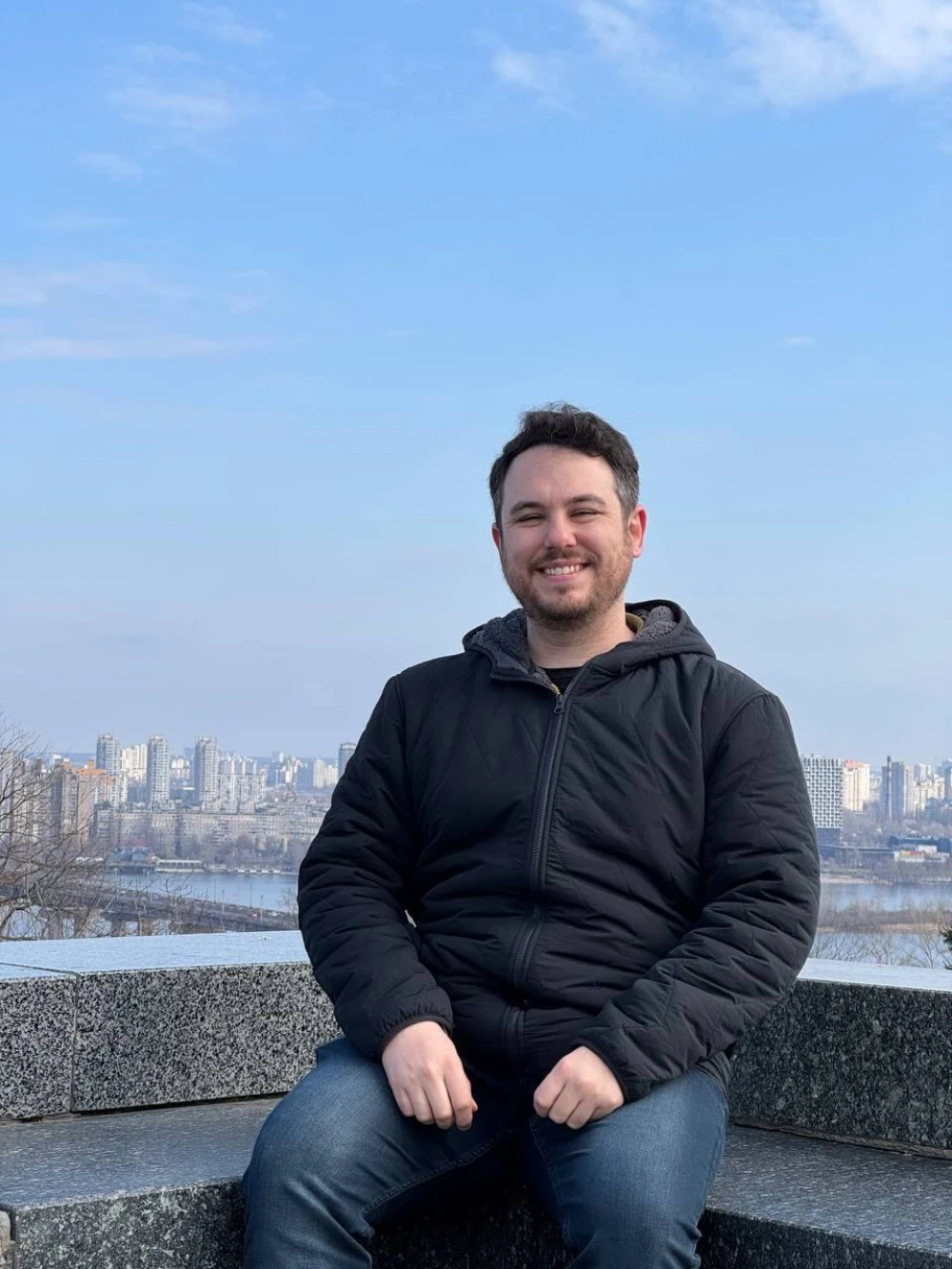
After that, I studied in Budapest, completed an internship in Ternopil, and later went to the United States to earn a teaching qualification. Still, the thought of returning to Ukraine never left me.
Because of the pandemic, I was not able to find a job in Ukraine right away. For a while, I taught at a school in Sofia, Bulgaria, but I continued to visit Kyiv and Lviv whenever I could.
In December 2021, I learned that American University Kyiv was opening. I reached out to the university and, after speaking with its rector, Roman Sheremeta, was offered the job.
However, because of the full-scale invasion, the university postponed the opening of its campus. I moved to Lutsk, where I spent two years helping to develop the university based on the American educational model.
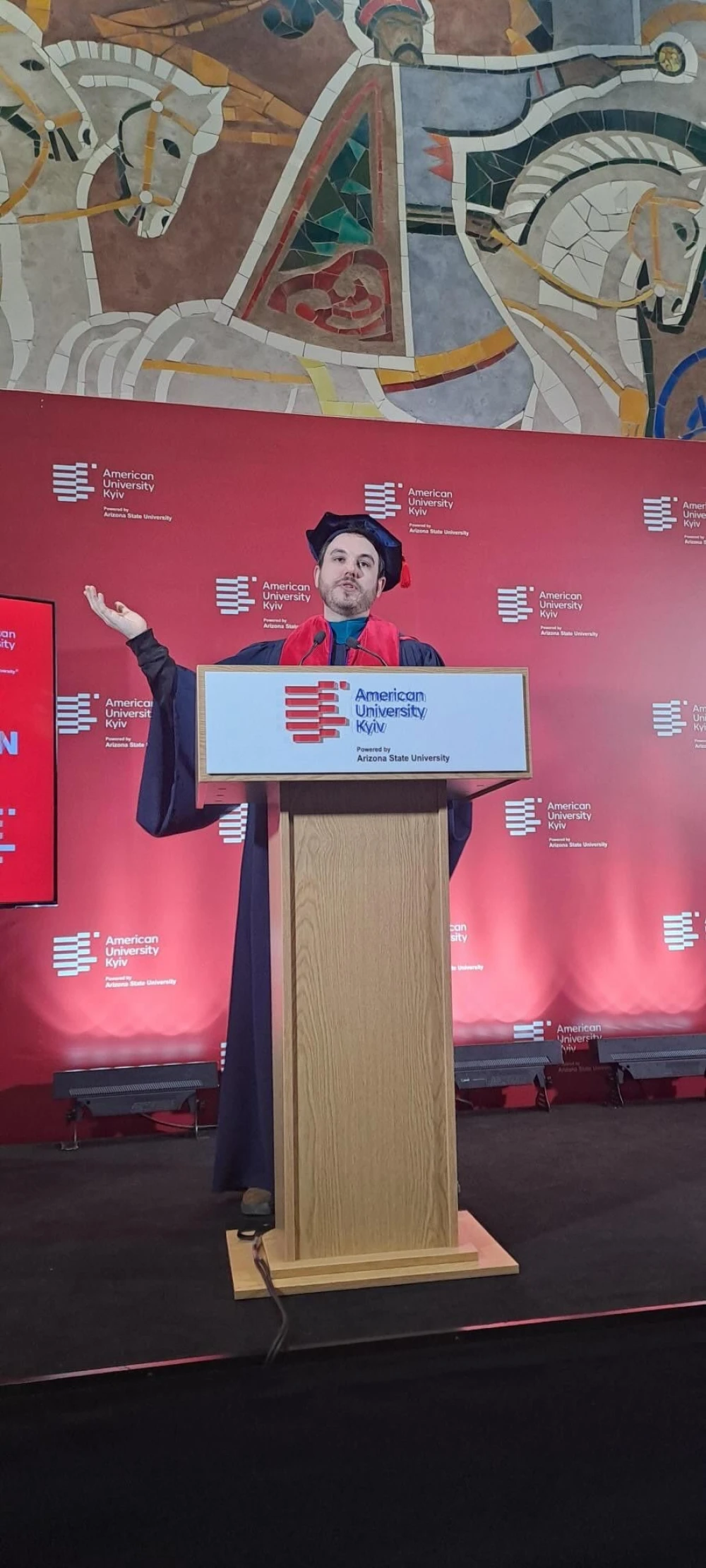
Eventually, I realised that constantly travelling to Kyiv was exhausting, so around two years ago I finally moved here. Since then, I have lived in Obolon and Podil, and I now live in the Sviatoshynskyi district, not far from Kyiv International School, where I teach mathematics and music.
What Has Impressed Me Most About Kyiv?
What impresses me most is that Kyiv continues to develop even during the war. Despite the constant attacks, new places keep opening, the city keeps changing, and it still feels alive.
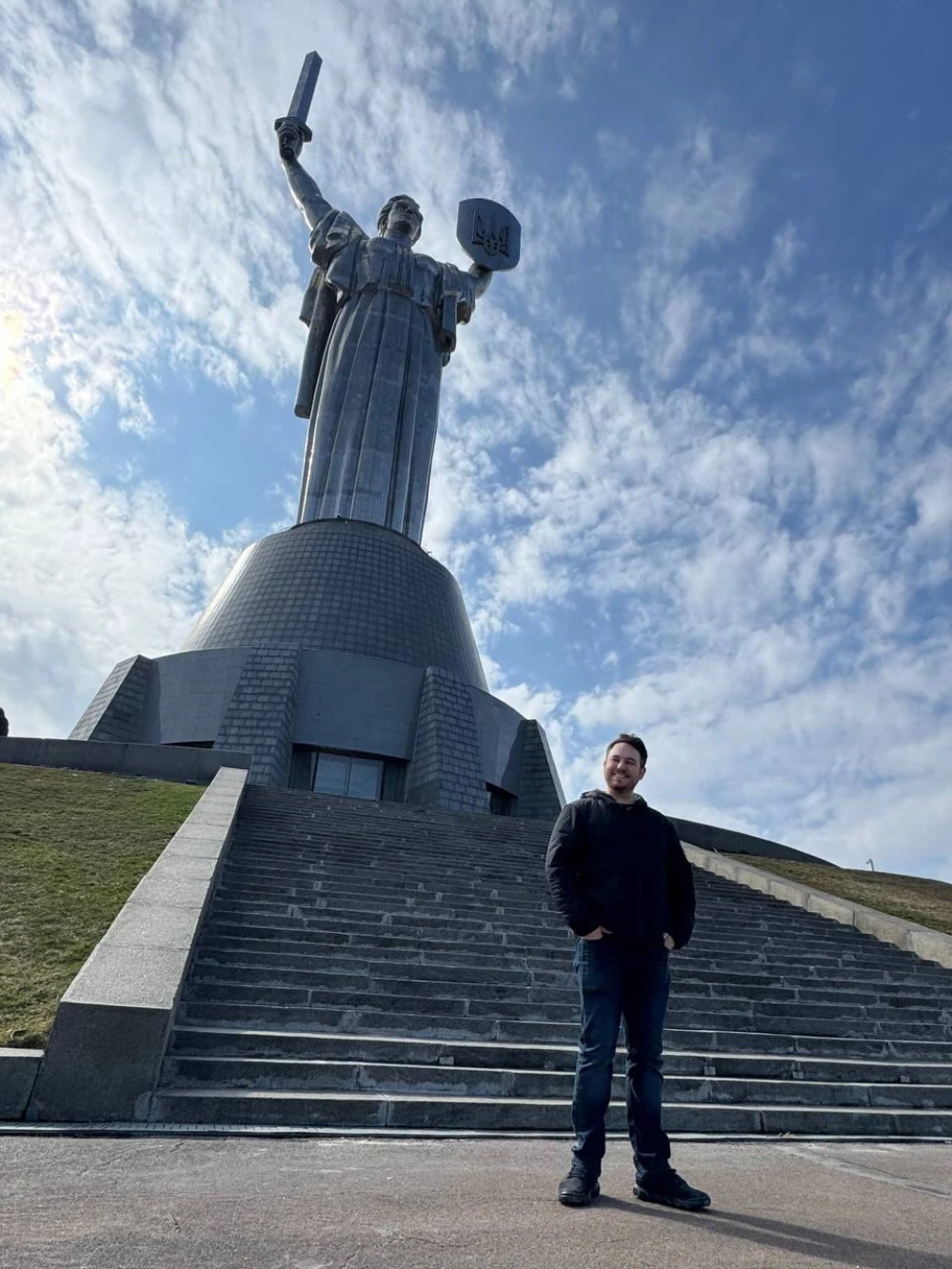
At the same time, it can feel like living in two realities at once. During the day, you enjoy Kyiv — its cafés, culture, people, and new places. At night, you listen to the buzzing of drones, wake up to air raid alerts, and head down to the shelter.
Before moving here, I was not sure I would like Kyiv, as I had always felt closer to cities in western Ukraine. But Kyiv truly surprised me: it is easy to find your community here, and the city is constantly changing and developing.
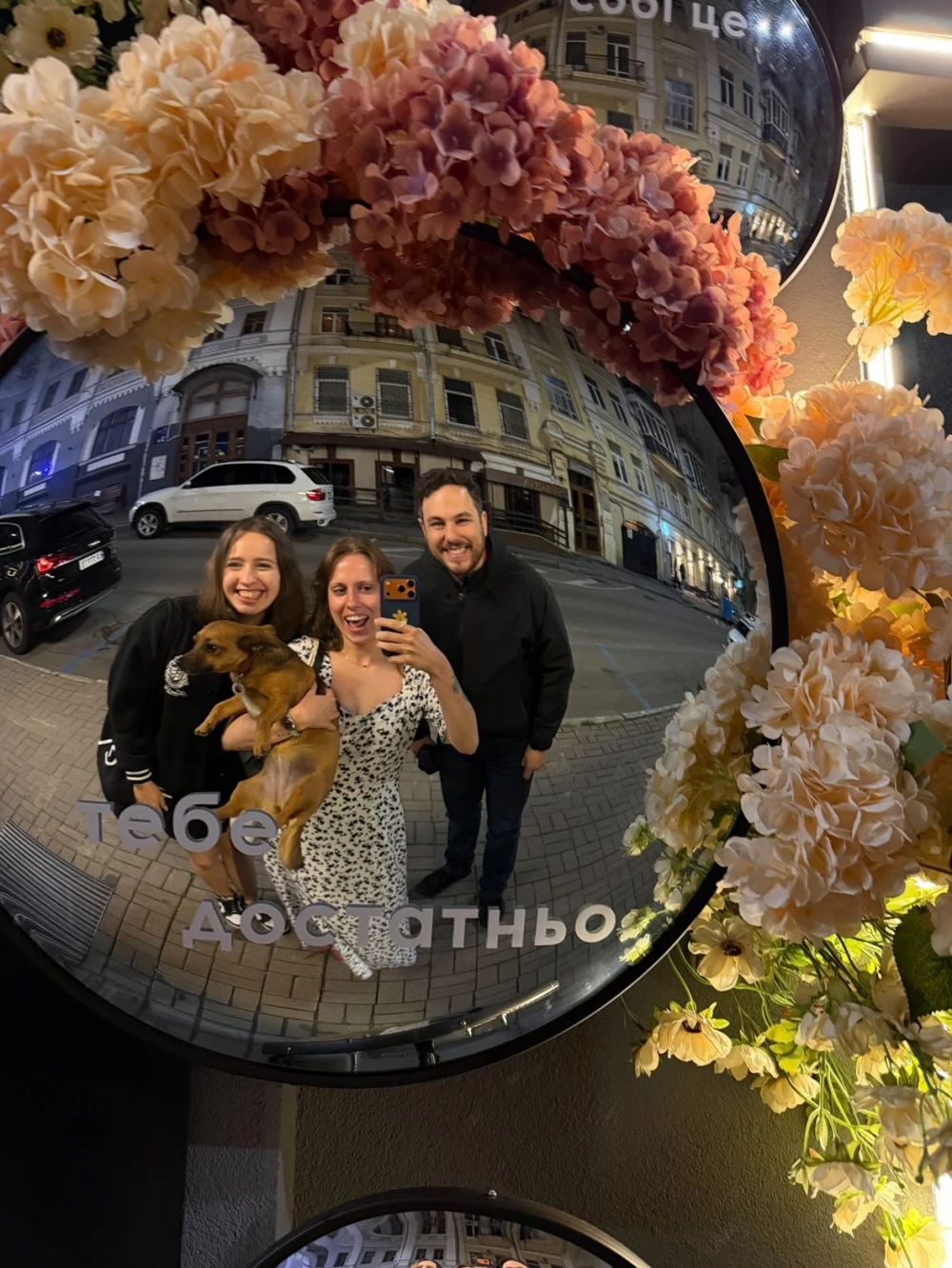
It was here that I was able to fulfil my long-held dream of building a life in Ukraine. So perhaps the biggest way Kyiv has changed me is that it has given me the chance to live the life I had dreamed of.
Why I Dream of Staying in Ukraine
Thirteen years ago, Ukraine was a very different country.
When I told people in Volodymyr or Kozelets that my dream was to stay and live in Ukraine, they looked at me as if I were crazy. They would say, “We all want to leave. Why do you want to stay?”
Today, I hear that much less often.
Especially after the start of the full-scale invasion, when many Ukrainians spent time abroad and then returned home. Many realised that other countries have plenty of problems too, while Ukraine offers things that truly matter to them.
When I first came here, I immediately felt that Ukraine had enormous potential. There is freedom here, and a sense that you can truly create something meaningful. That is what attracted me then, and it is still what keeps me here.
How Is the War in Ukraine Perceived in the United States?
Today, for many ordinary Americans, Ukraine has largely disappeared from the news agenda. People think and talk about it much less than they used to. Some have even asked me, “Wait, is the war still going on? Hasn’t it ended?”
Hearing that is very difficult. Especially when you live in a country at war: when you spend ten hours a day without electricity in winter, and one day a drone hits your building. On top of that, I have many friends who are currently serving or have already returned from the front.
To some extent, though, I understand them. When you are far from the war — in another country, or even simply in a calmer region of Ukraine — everything begins to feel different.
At the same time, the Ukrainian diaspora in the United States is doing a great deal to keep Ukraine in the public conversation. I also try to contribute to this work: I talk about Ukraine with friends, acquaintances, and colleagues, and I contact American politicians urging them to continue supporting Ukraine.
Tourism During the War: Where Is the Ethical Line?
I think it all depends on the purpose of the visit.
If someone comes only to turn the war into content and gain popularity on social media, I have mixed feelings about that. On the one hand, it can look like exploiting someone else’s grief. On the other hand, sometimes it is through people like this that others learn about Ukraine when they otherwise might never have paid attention.
When it comes to ordinary tourists, I do believe people can come — but they should do so with respect for the country and for the people who live here. The most important thing is to meet Ukrainians and hear their stories. That is what really helps you understand Ukraine.
I have seen more than once how people completely changed their view of Ukraine after visiting. For example, one American acquaintance of mine belonged to the Russian Orthodox Church. But after he came to Ukraine and saw the destruction with his own eyes, he realised that much of what he had believed simply did not reflect reality.
So if people know the basic safety rules, understand what to do during an air raid alert, and do not expect someone else to be responsible for their safety, such a trip can be meaningful both for them and for Ukraine.
If Kyiv Were a Person…
If Kyiv were a person, it would be a friend who reveals different sides of themselves depending on who they are with. After all, Kyiv cannot be described through just one image.
For some, it is a city of books and quiet walks. For others, it is about sports and outdoor activities, or festivals, concerts, and vibrant events. That is why Kyiv feels different to everyone, revealing a new side of itself with every visit.

