

Kyiv is not what you see in the news: what surprises foreigners after their first visit
What Surprises Foreign Visitors Most After Their First Trip to Kyiv.


Before visiting Kyiv for the first time, many foreigners imagine it primarily as a city where daily life is entirely shaped by the war. But after spending just a few days in the capital, they begin talking not only about air raid alerts and attacks, but also about the convenient metro, high-quality service, vibrant cultural life, and the willingness of Kyiv residents to help.
The Visit Kyiv team spoke with more than 20 foreigners from 10 countries who came to the city to work, volunteer, or travel. Their experiences varied, but similar observations came up time and again in their conversations.
Getting Around Kyiv Is Easier Than Expected
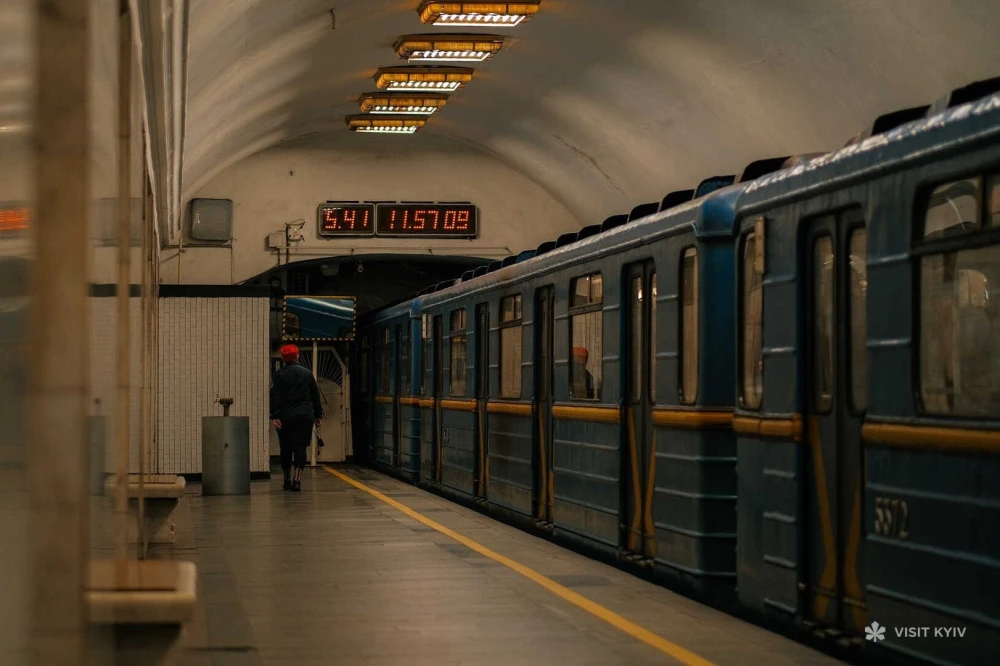
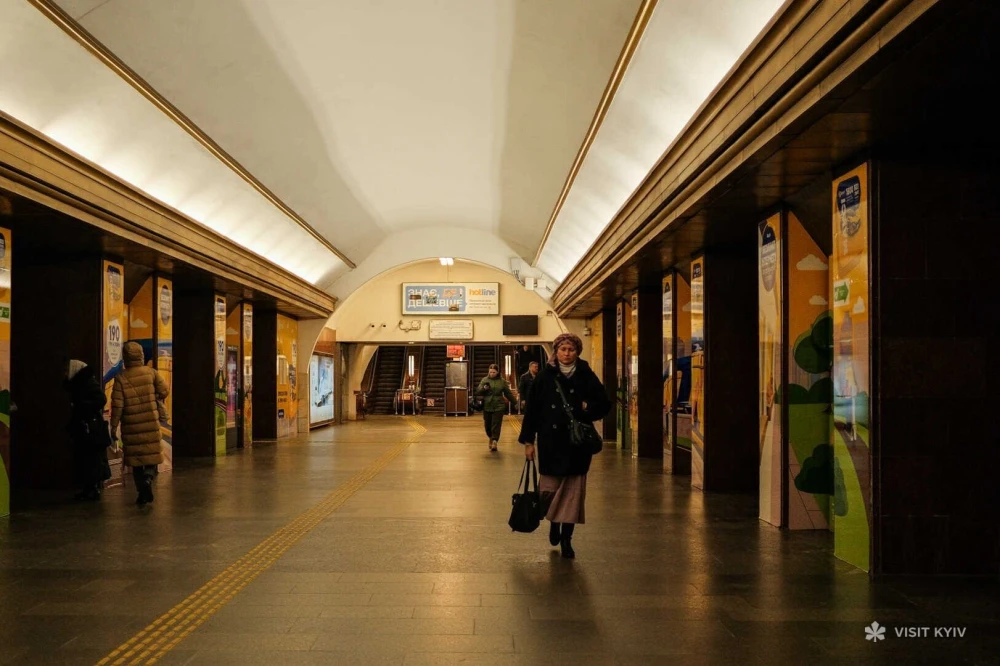
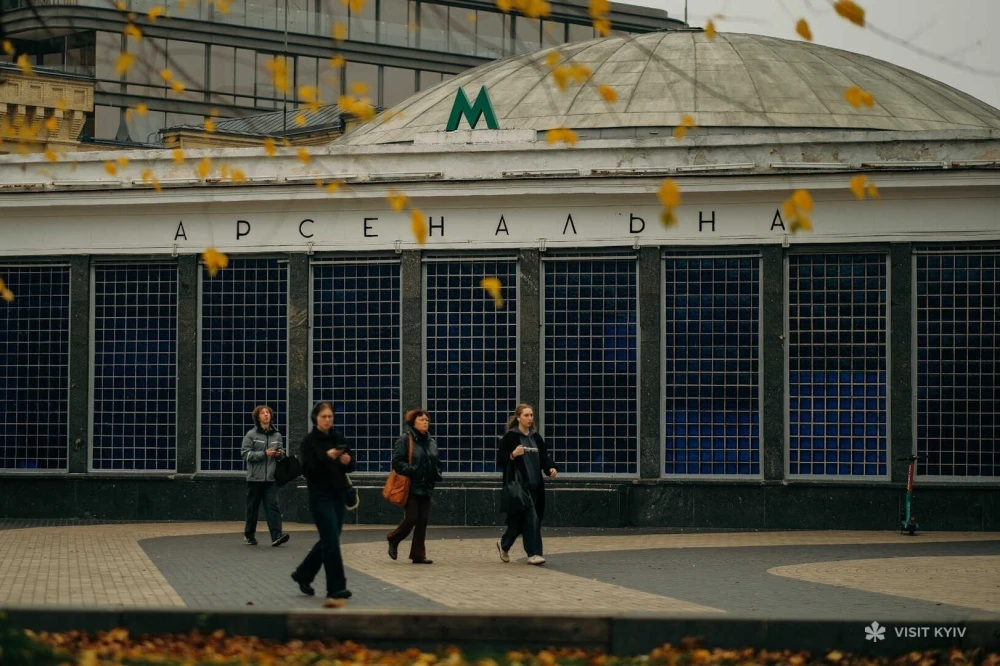
One of the first discoveries for many visitors was the Kyiv Metro. Those interviewed by Visit Kyiv said that it was easy to use even without knowing Ukrainian: fares can be paid by bank card, the metro map is easy to navigate, and travelling between different parts of the city is quick. Several visitors also noted the cleanliness of the stations and the overall convenience of the metro.
Many interviewees also said that Kyiv residents who speak English usually do so confidently. Even when someone does not speak English, they still try to help by using gestures, opening a translation app on their phone, or finding another way to communicate.
Visitors Are Surprised by How the City Keeps Going During the War
Before their trip, many interviewees expected the war to shape daily life in Kyiv to a much greater extent. Once in the city, however, they noticed how quickly its usual rhythm returned after nighttime attacks.
“What impresses me most is that Kyiv continues to develop even during the war. Despite the constant attacks, new places keep opening, the city continues to change, and it never loses its sense of life.” — Jake McGrew, an American lecturer.
In conversations with Visit Kyiv, visitors mentioned coffee shops opening in the morning, people travelling to work, parents taking their children to school, and busy streets filled with traffic. One respondent spoke about a colleague who arrived at work only an hour and a half late after a Russian projectile hit her building. Stories like this gave foreign visitors a different perspective on everyday life in the city.
“At the same time, it feels as though you are living in two realities at once: during the day, you enjoy Kyiv — its coffee shops, culture, people, and new places — while at night, you hear drones buzzing, wake up to air raid alerts, and go down to a shelter.”— Jake McGrew, an American lecturer
Interviewees also noted how the city and its businesses had adapted to power outages. One guest recalled a period when electricity was available for only about an hour a day, yet cafés continued to operate, although they sometimes offered reduced menus. Refrigerators in shops continued running, and cinemas did not cancel screenings. Generators and power banks became a familiar part of everyday life.
People Leave the Strongest Impression
“The way people continue to live, work, meet friends, and make plans even during the war commands enormous respect.” — Matúš Krajňák, a Slovak director, screenwriter, and actor.
In conversations with Visit Kyiv, foreigners often mentioned the willingness of Kyiv residents to help strangers. One respondent described how he fainted on the street. Afterwards, he went to hospital and travelled in a taxi with people he did not know, yet all his belongings, including his electronics, remained with him. What impressed him most was that nothing had gone missing.
“I am incredibly grateful to the people of Kyiv for the warm welcome they gave me. I feel a very deep connection with the people of the capital — their friendship, support, and love.” — Benjamin Stewart, an American folk musician.
Visitors also spoke with great respect about Ukrainian soldiers and their families. This topic was raised particularly often by interviewees with military experience. They spoke about the resilience of Ukrainian soldiers and expressed deep respect for their families.
“I saw how quickly people reacted whenever someone became unwell in the street. Once, a man simply collapsed, and within seconds, people had gathered around him and were trying to help. That really stays with you.”— Matúš Krajňák, a Slovak director, screenwriter, and actor.
Everyday Life in Kyiv Is More Modern Than Expected
Some interviewees arrived in Kyiv with different expectations about everyday life. Once there, they noticed the quality of the city’s restaurants and cafés, shops, services, and private healthcare.
Food came up in almost every conversation. Visitors were surprised not only by Ukrainian cuisine but also by the overall standard of Kyiv’s dining scene. They mentioned both restaurants and more affordable places such as Puzata Hata, where they were pleasantly surprised by the quality of the food and service.
“I was also impressed by the number of good coffee shops and restaurants offering excellent coffee, delicious food, and friendly service.”— Benjamin Stewart, an American folk musician.
Interviewees also spoke about private healthcare. They were surprised by the professionalism of the doctors, how quickly they could get an appointment with a specialist, and the cost of services, which was lower than in their home countries. Some guests also mentioned doctors who, in their experience, kept up with current research and attended international conferences. At the same time, interviewees were more reserved in their comments about the public healthcare system.
Among the less obvious aspects of everyday life, visitors also mentioned the culture of giving flowers. They noted the large number of flower shops in Kyiv and the wide selection of bouquets for different occasions and budgets.
Getting to Know Kyiv Deepens Interest in Ukraine
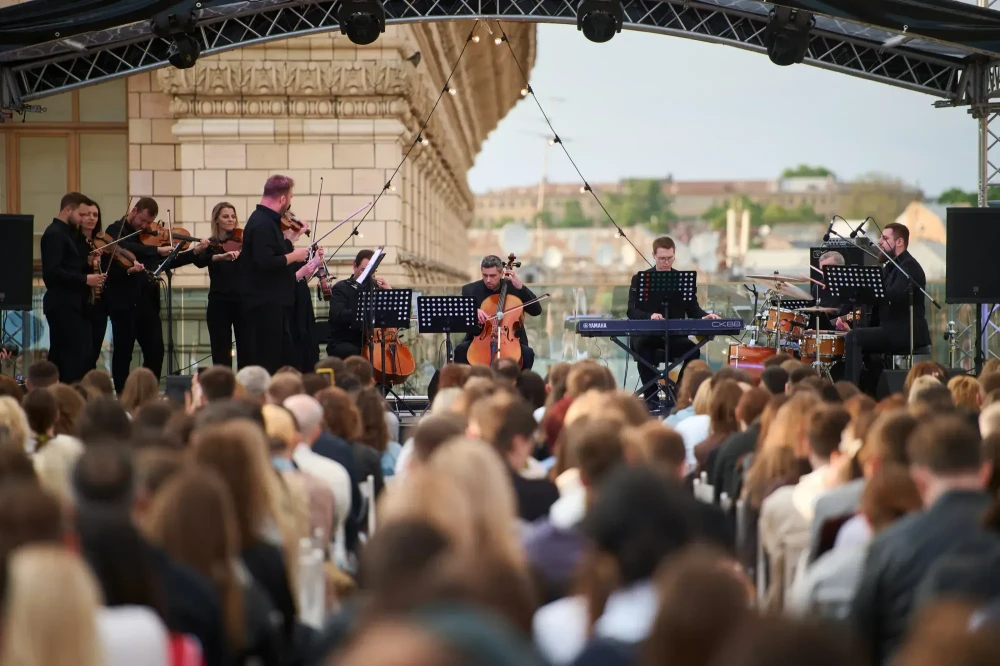
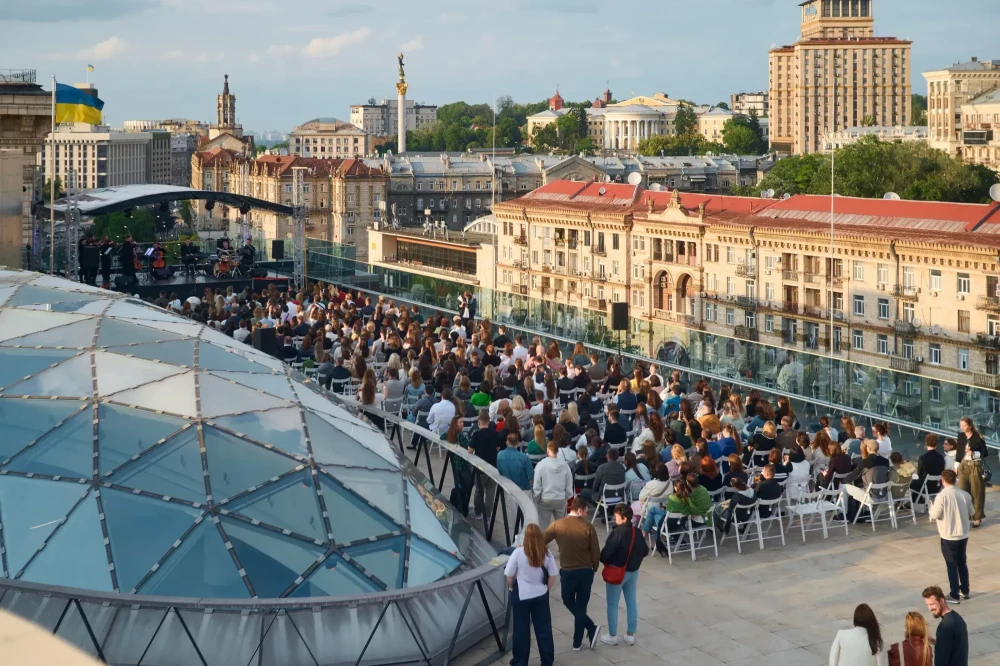
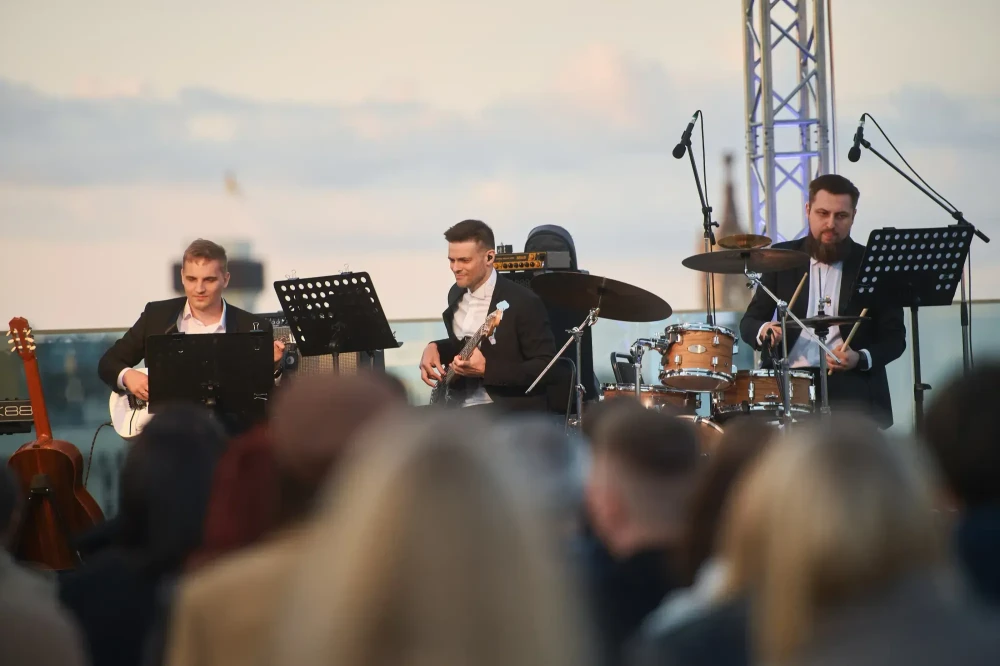
Kyiv’s cultural life was another discovery for visitors. In conversations with Visit Kyiv, they mentioned Ukrainian music, festivals, and unusual concert formats, including classical music performances on rooftops. According to several interviewees, events like these gave them another reason to return to the city.
“I was surprised by how vibrant the cultural scene remains. Concerts, festivals, exhibitions — the city continues to live and create new events.”— Matúš Krajňák, a Slovak director, screenwriter, and actor
Several foreigners also spoke about trips to Ukrainian villages and fondly recalled the local atmosphere and traditions. Other interviewees who had not yet had this experience said they would like to visit a Ukrainian village during their next trip.
Visitors also expressed an interest in Ukrainian traditions and life beyond the capital.
Kyiv Is Different from What Visitors Imagined Before Their Trip
“I was pleasantly surprised by the level of service in Kyiv. Many places can compete with what I have seen in Western Europe.” — Matúš Krajňák, a Slovak director, screenwriter, and actor.
Conversations with foreign visitors showed that what surprised them most was everyday life in Kyiv: convenient public transport, the level of service, people’s willingness to help, and the city’s ability to maintain its usual rhythm even under difficult conditions.
“When it comes to first impressions, what surprised me most was public transport: the metro, trams, and marshrutkas, which operate very efficiently. Many American cities could benefit from such affordable and convenient privately operated transport, and I still do not understand why it is almost nonexistent there.” — Benjamin Stewart, an American folk musician.
These were the impressions that most often differed from what visitors had expected before arriving in Kyiv.


