


“Kyiv taught me to notice the small joys”: Slovak filmmaker Matúš Krajňák on a city that changes people
Slovak filmmaker Matúš Krajňák on Kyiv during wartime and the personal changes it inspires
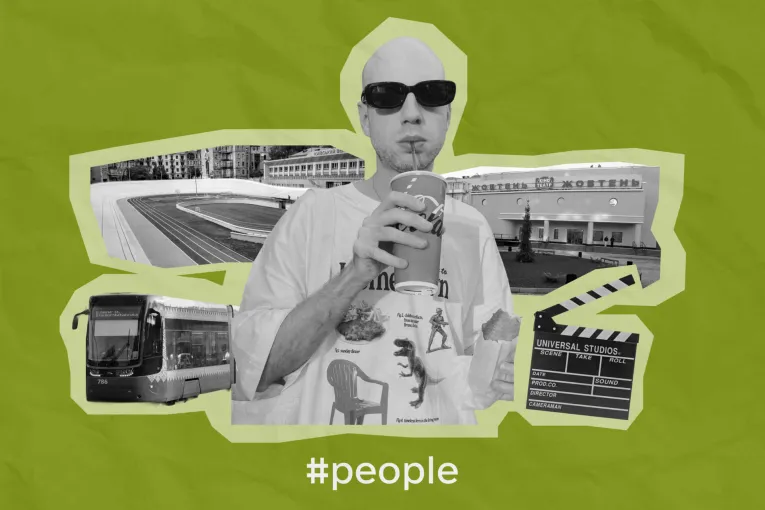
Matúš Krajňák is a Slovak filmmaker, screenwriter, and actor who has lived in London for nearly ten years. His work explores themes of love, self-acceptance, queer identity, and the experiences of Eastern European migrants living in Western Europe.
Matúš first visited Kyiv in February 2024 to see a friend who was unable to leave Ukraine. Since then, he has returned every few months, traveling across the country, supporting local businesses, and documenting his experiences on TikTok through his account, @matus4fun, where he shares everyday life in Ukrainian cities during wartime.
The VisitKyiv.com team spoke with Matúš about his first impressions of Kyiv, the cultural surprises he encountered, his favorite city rituals, the fears that come with traveling during war, and how Kyiv has changed him.
Discovering Kyiv
I came to Kyiv out of simple human curiosity. One day in February 2024, I boarded a train and set off to visit a friend who couldn’t leave Ukraine.
That trip became one of the most important experiences of my life—not only because I visited Ukraine during wartime, but also because I arrived in the middle of a snowy winter and suddenly found myself alone in a large, unfamiliar city.
At the time, convenient roaming services weren’t yet available, so I spent several hours without mobile service. Even so, I settled in surprisingly quickly.
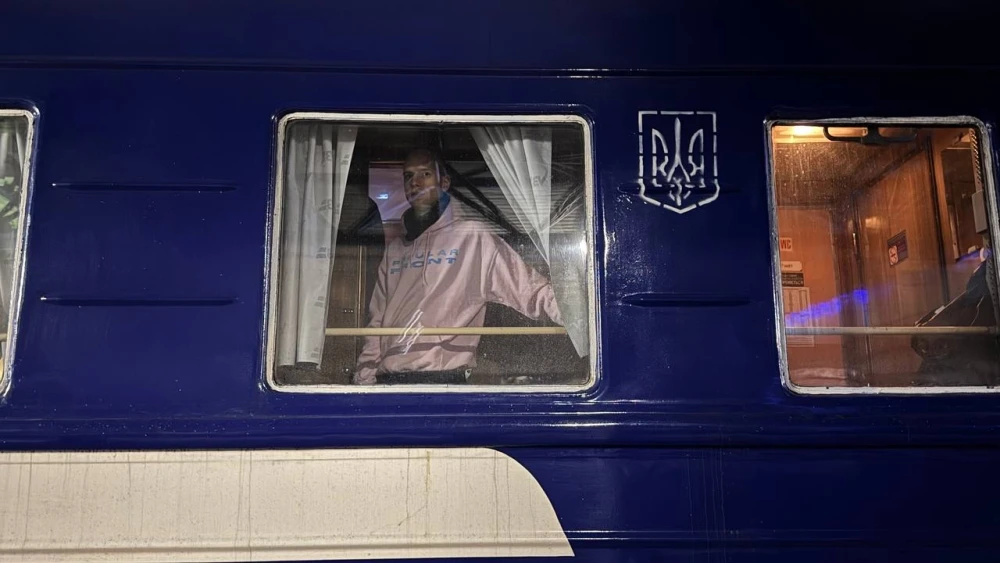
Since then, I’ve been returning to Kyiv every few months. For me, it’s a way to show support for Ukraine, contribute in a small way to the local economy, and support Ukrainian businesses.
First impressions of the city
I’m Slovak, and until 2022 my attention was mostly focused on Western Europe. Ukraine remained “that country in the East”—a place I knew very little about.
At one point, I read that Kyiv felt like a smaller version of Berlin, with a vibrant club scene and a unique atmosphere. Honestly, that was almost everything I knew about the city before my first visit.
When the full-scale invasion began in 2022, I felt a deep sense of injustice toward Ukrainians. Since then, I’ve looked at Ukraine differently—with more attention, curiosity, and empathy.
What impressed me most in Kyiv was the resilience of people who continue living their lives despite drone attacks, missile strikes, and difficult winters marked by power outages. I was also surprised by the high level of service, the cleanliness of the city, and the warmth and hospitality I encountered almost everywhere I went.
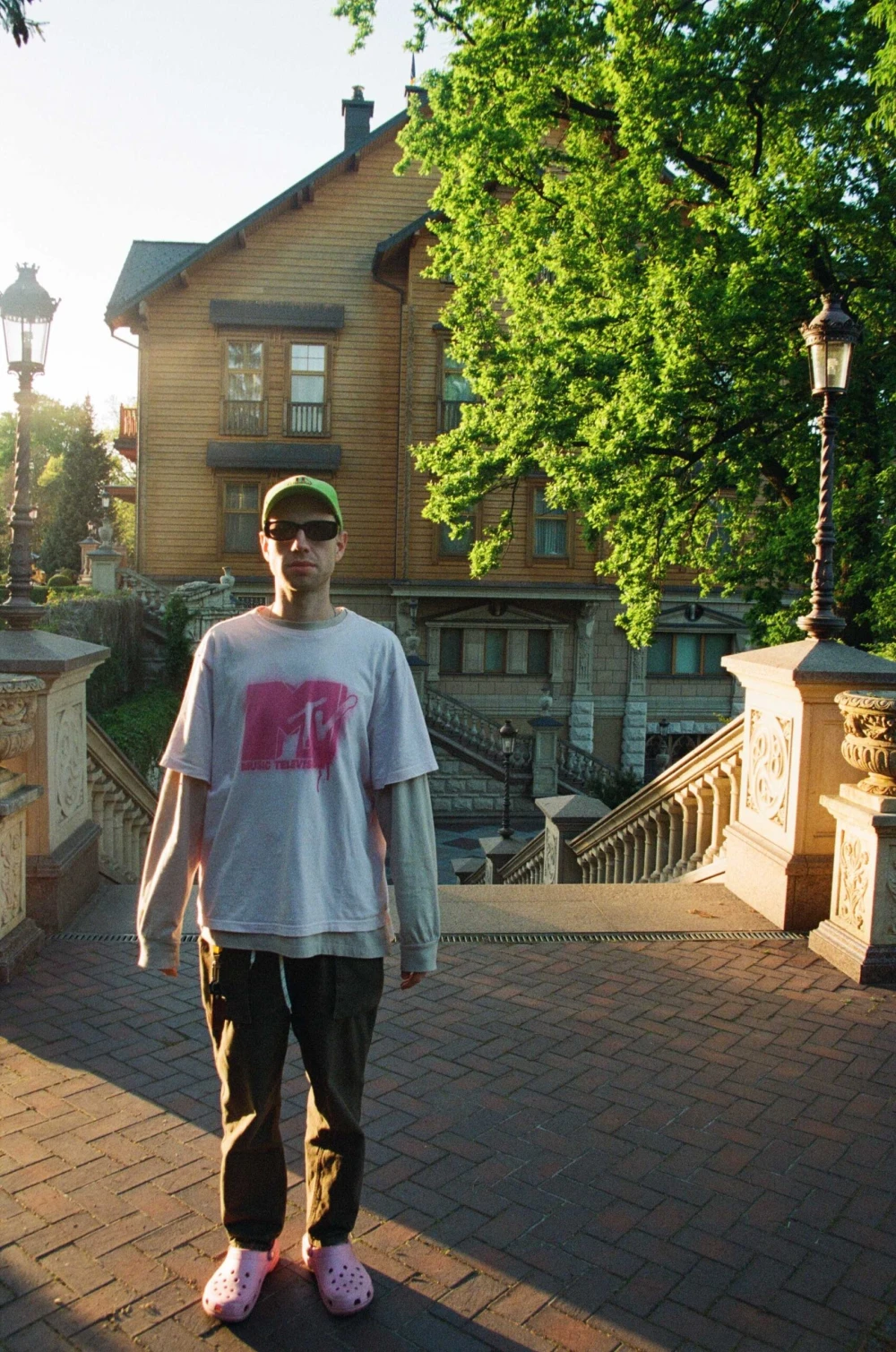
At the same time, there were things I had to get used to. For example, the large number of street vendors in underpasses, along sidewalks, and near roads felt unusual to me. Long train journeys and the large sleeper compartments on Ukrainian trains were also something I had never experienced before, and at first they were a little intimidating.
I could talk about culture shock for hours, but I’m grateful for the experience. Sometimes I wish I could relive that feeling of being in Kyiv for the first time—when you can’t read a single word written in the Cyrillic alphabet, see prices in an unfamiliar currency, or try syrnyky for the very first time.
It was also in Kyiv that I came up with the idea for a romantic story set in a city during summer. I’m still working on that screenplay and hope to film it here one day.
A city that changes the way you see everyday life
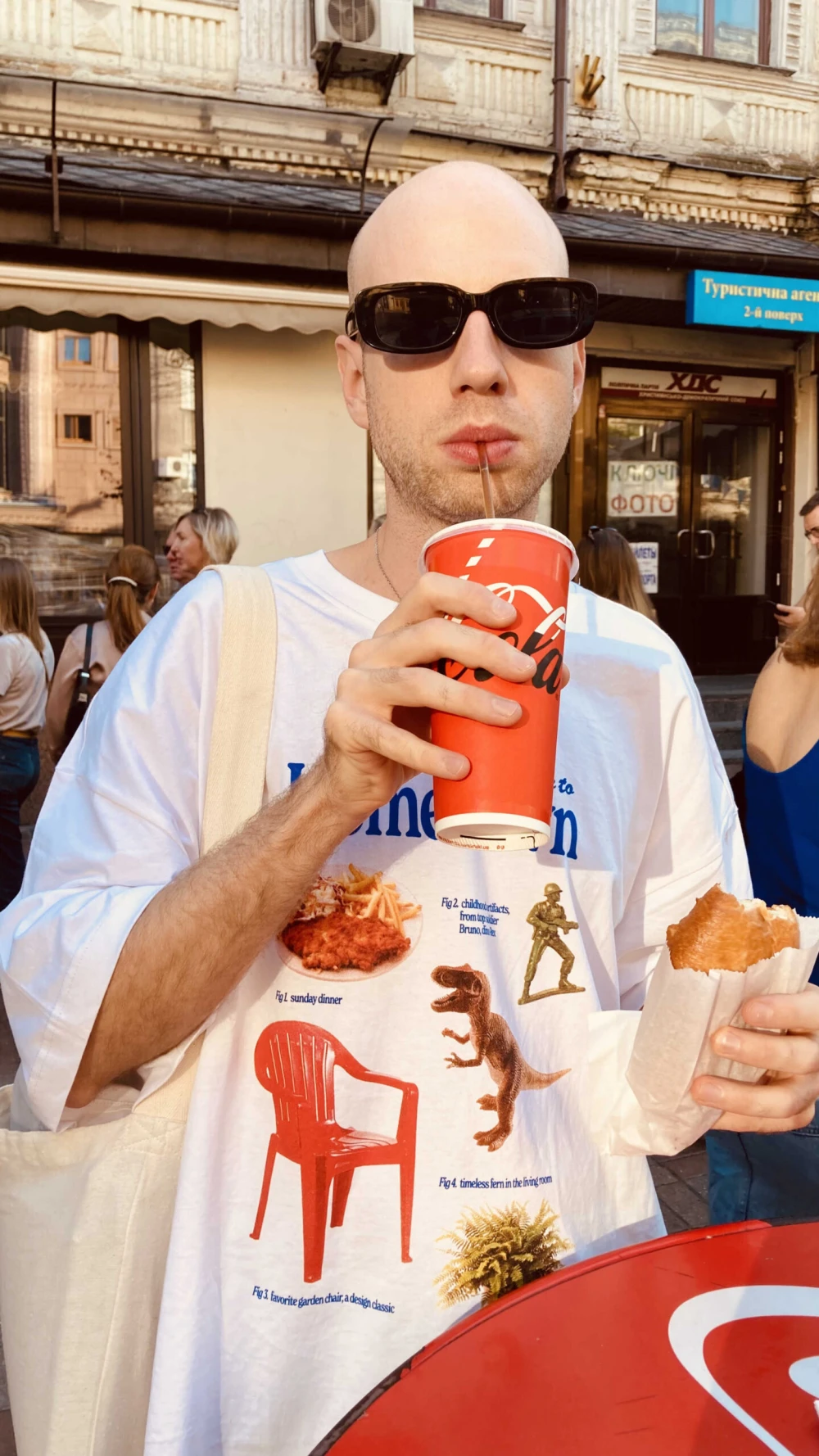
Kyiv taught me to appreciate the small joys.
After living in London for almost a decade, I had nearly forgotten what it feels like to enjoy excellent food at reasonable prices, value reliable public transportation, or spend an evening at a cinema like Zhovten watching arthouse films.
How perceptions of Ukraine are changing in Europe
In Slovakia, as in many other European countries, attitudes toward Ukraine vary widely.
There are people who openly support Ukrainians and understand why that support matters. At the same time, there are those who remain skeptical or cautious—often influenced by political narratives, social media, or populist rhetoric.
Despite this, many Ukrainians moved to Slovakia both before and after the full-scale invasion began in 2022. Many have successfully integrated, found jobs, continued their education, and become active members of local communities.
In my view, that gradually changes perceptions of Ukraine and helps people understand one another better.
Why I keep coming back to Ukraine
Traveling to Ukraine during wartime involves risks, and the danger is unfortunately always present. Even so, I don’t consider these trips unethical.
For me, it’s a way to support Ukraine in the only way I can: by visiting, contributing to the local economy, creating content on social media, and sharing my perspective on the country.
If I were planning my first trip to Ukraine today, I would probably begin in western Ukraine, where conditions are generally safer, and then gradually travel farther east.
Between fear and new experiences
Fear exists to protect us. The important thing is not allowing it to make every decision for us.
I was very afraid when I first arrived in Ukraine. I still remember crossing the border and constantly looking up at the sky, expecting something unusual to happen.
At first, almost every sound or notification triggered anxiety. I remember hearing a repetitive clicking sound in the Kyiv metro and immediately worrying it might be an air raid alert. Later, I learned it was actually an accessibility signal designed to help visually impaired passengers find the entrance.
Despite those fears, I’m deeply grateful for everything I’ve experienced while traveling through Ukraine. These trips genuinely changed my life. They’ve made me more mature, more resilient, and more attentive to the people around me.
I believe that visiting Kyiv—especially now—changes people on a very deep level. At least, that’s what happened to me.
If Kyiv were a person…
To me, Kyiv would be a combination of a winter Capricorn and summer Gemini.
It’s stubborn, resilient, and quietly determined, yet at the same time curious, energetic, and constantly alive with new ideas and possibilities.


