

State and folk symbols of Ukraine: meanings and history
Discover the state and folk symbols of Ukraine and what they represent.
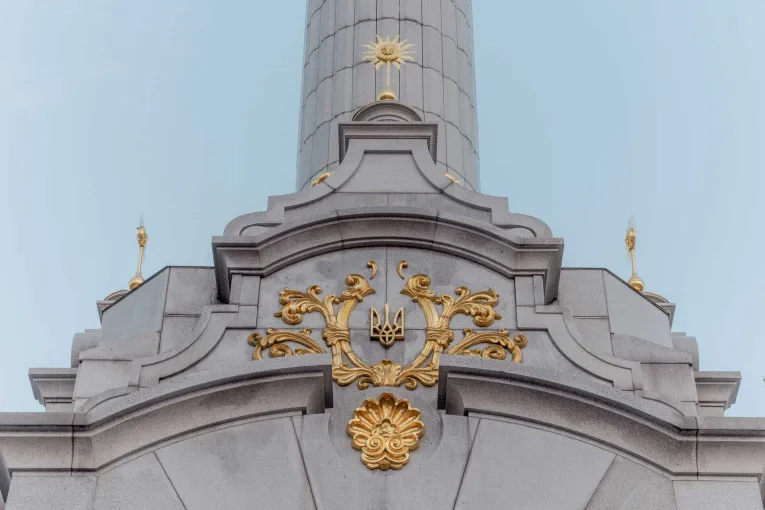
Just a few hours in Ukraine are enough to notice its most recognisable symbols. Blue-and-yellow flags fly over public squares and government buildings; the Tryzub appears on monuments and official institutions; people proudly wear vyshyvankas, while pysankas, embroidered rushnyks, and kalyna can be found in museums, souvenir shops, folk art, and traditional celebrations.
For Ukrainians, these are far more than decorative elements. In this guide, the Visit Kyiv team explores the state and folk symbols of Ukraine, explains what they represent, and suggests where you can discover many of them during your trip to Kyiv.
State Symbols of Ukraine
Ukraine has three official state symbols:
- The State Flag of Ukraine
- The State Emblem of Ukraine
- The National Anthem of Ukraine
Together, they officially represent Ukraine at international meetings, sporting events, state ceremonies, and national celebrations.
For Ukrainians, however, they are much more than official state symbols. They embody the country’s independence, unity, and historical continuity. While exploring Kyiv, you’ll encounter them on government buildings, public squares, monuments, and throughout the city’s museums.
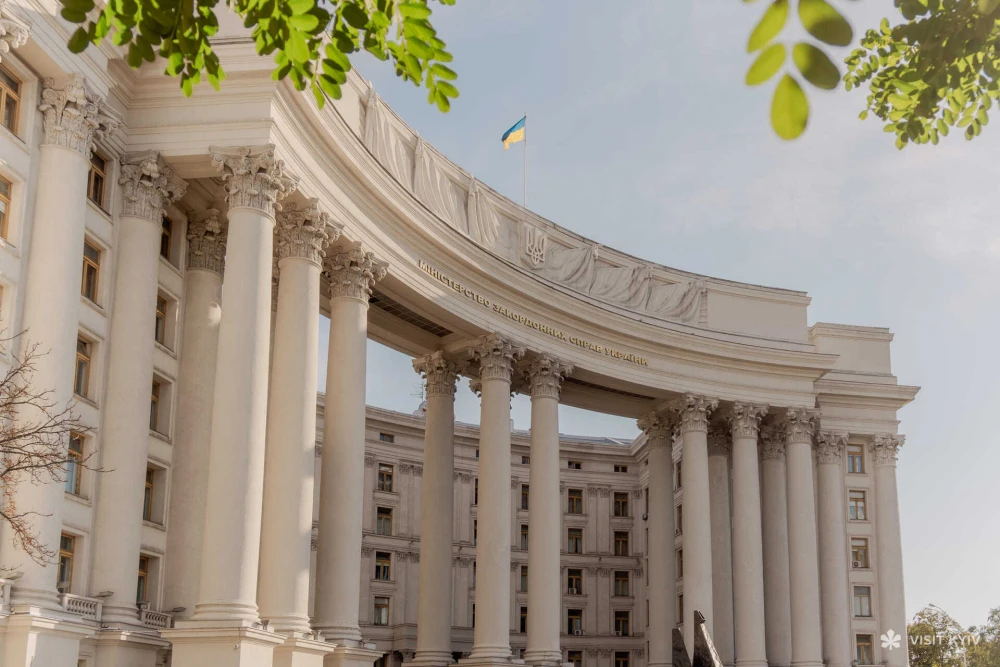
The Ukrainian Flag: Why Blue and Yellow Matter
The Ukrainian flag consists of two equal horizontal stripes: blue on the top and yellow on the bottom. This design is officially defined in the Constitution of Ukraine.
Blue and yellow have appeared in Ukrainian heraldry and symbolism for centuries, becoming firmly established as the nation’s colours during the 19th century. During the Ukrainian Revolution of 1917–1921, the blue-and-yellow flag became a symbol of Ukrainian statehood. Following the restoration of Ukraine’s independence, it was officially adopted as the State Flag of Ukraine in 1992.
The most widely accepted interpretation of the colours associates blue with the peaceful sky and yellow with Ukraine’s vast wheat fields. Today, they also symbolise freedom, dignity, independence, and resilience.
Use our free travel checklist to go through the essentials before you leave — entry requirements, budget, accommodation, transport, safety and more.
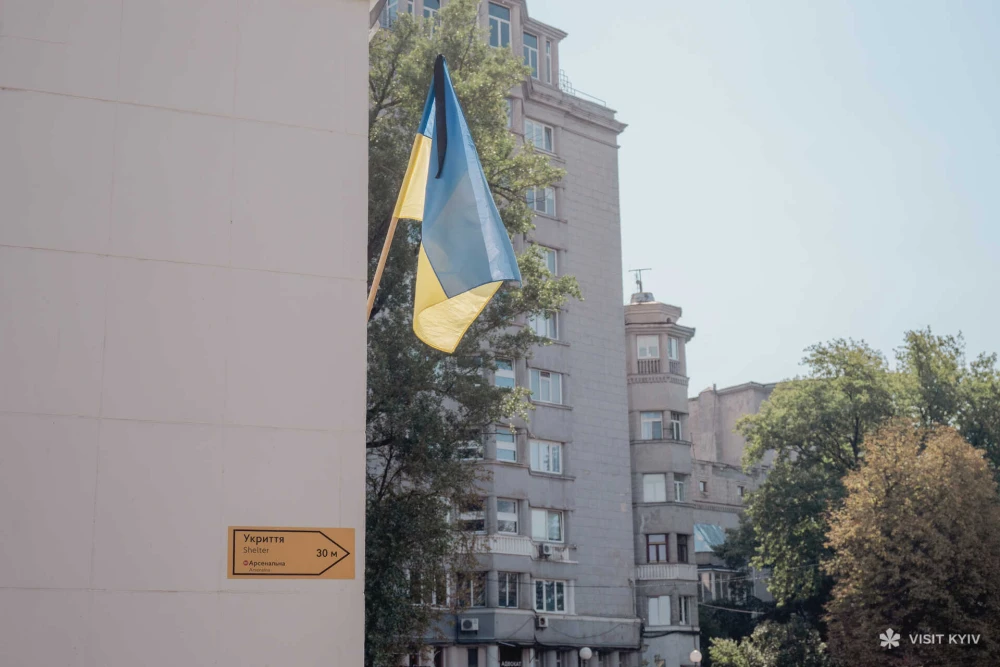
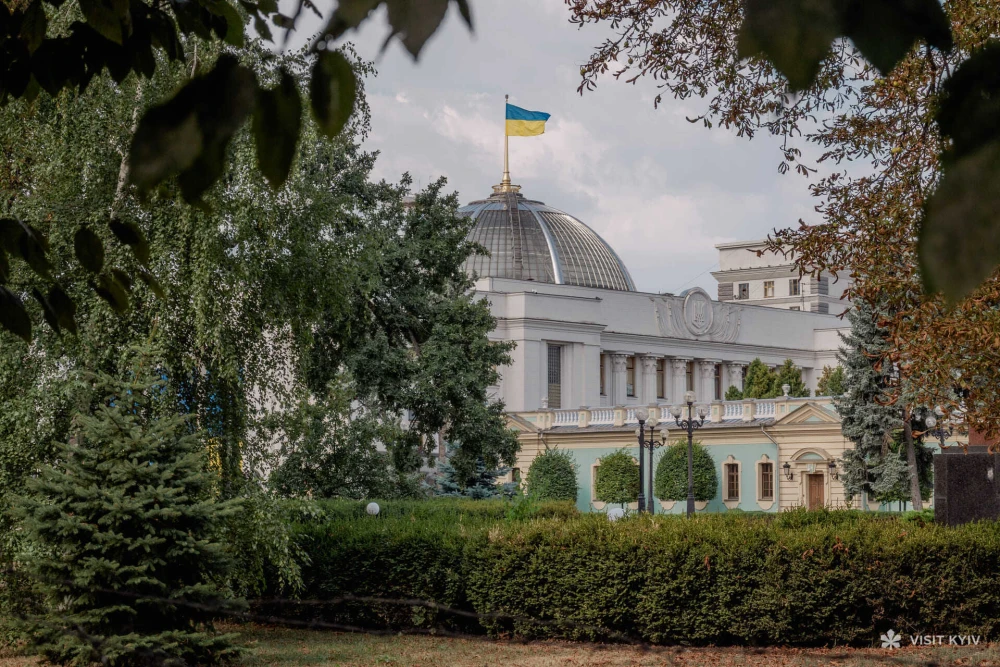
In central Kyiv, the blue-and-yellow flag flies above government buildings, on Maidan Nezalezhnosti (Independence Square), and near memorial sites. During national celebrations and public events, it becomes one of the city’s most visible landmarks. Since 2022, it has also become one of the world’s most recognisable symbols of solidarity with Ukraine.
The most common interpretation associates blue with the sky and yellow with Ukraine’s golden wheat fields. Today, these colours also symbolise freedom, dignity, independence, and resilience.
In central Kyiv, the blue-and-yellow flag flies above government buildings, on Maidan Nezalezhnosti (Independence Square), and near memorial sites. During national celebrations and official events, it is visible throughout the city. Since 2022, it has also become one of the world’s most recognisable symbols of solidarity with Ukraine.
Tryzub: The State Emblem of Ukraine
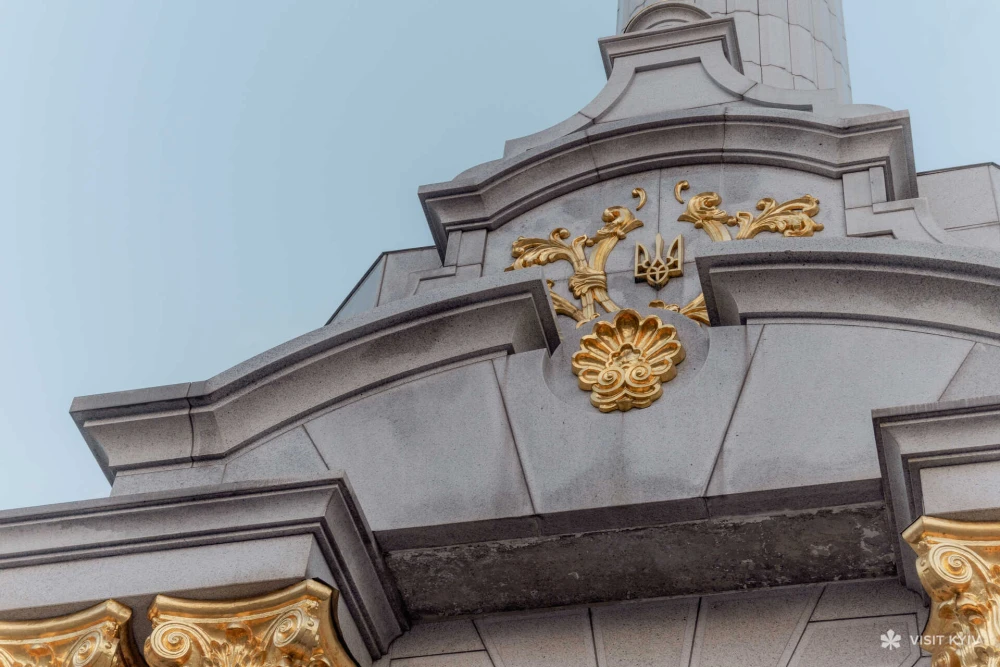
The Tryzub is the Small State Emblem of Ukraine and one of the oldest symbols of Ukrainian statehood. Its history dates back to the princely era and is most closely associated with Prince Volodymyr the Great.
In the 20th century, the Tryzub became the emblem of the Ukrainian People’s Republic. Following the restoration of Ukraine’s independence in 1991, it was officially adopted as the Small State Emblem in 1992. It links princely Kyiv, the 20th-century struggle for statehood, and modern independent Ukraine.
Today, the Tryzub symbolises statehood, freedom, historical continuity, and the enduring connection between generations. You can easily spot it on government buildings, coins, monuments, murals, and souvenirs throughout Kyiv.
National Anthem of Ukraine
The National Anthem of Ukraine is the song “The glory and the freedom of Ukraine has not yet died”, with lyrics by Pavlo Chubynsky and music by Mykhailo Verbytsky. Together with the Ukrainian flag and emblem, it is one of Ukraine’s three official state symbols.
The anthem is performed during state ceremonies, international meetings, sporting events, national holidays, and other important public occasions. People stand while it is played as a sign of respect for the country, its history, and those who fought for Ukraine’s independence.
Since 2022, the national anthem has become more than an official state symbol. It has also become a powerful song of unity and global support for Ukraine. It can be heard during national holidays, remembrance ceremonies, sporting events, and major cultural gatherings.
Folk Symbols of Ukraine
While the flag, emblem, and anthem officially represent Ukraine, its folk symbols offer a deeper insight into the country’s everyday life, traditions, art, and cultural heritage.
The most well-known folk symbols of Ukraine include:
- vyshyvanka
- pysanka
- kalyna
- embroidered rushnyk
- sunflower
- stork
Although they do not have official status, these symbols are just as important to many Ukrainians. They appear in family traditions, folk songs, festive clothing, decorations, souvenirs, museums, and contemporary design.
Together, they help keep Ukrainian traditions alive and continue to shape the country’s cultural identity today.
Vyshyvanka: More Than an Embroidered Shirt
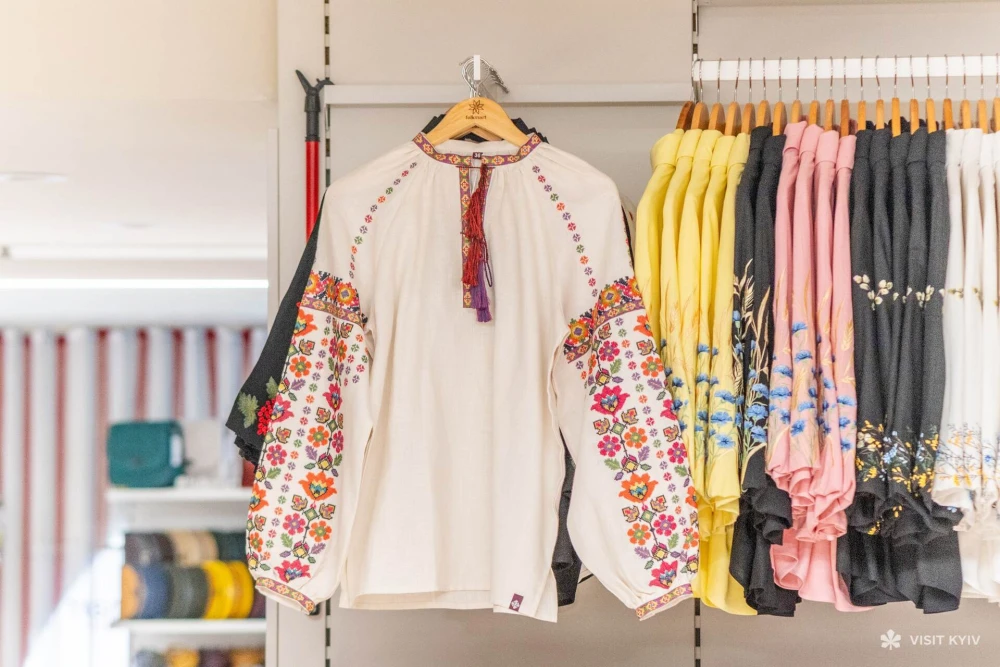
The vyshyvanka is one of Ukraine’s most recognisable folk symbols. More than just an embroidered shirt, it reflects family heritage, craftsmanship, regional identity, and a strong sense of belonging to Ukrainian culture.
Each region of Ukraine has its own embroidery style. Colours, stitching techniques, and patterns can vary even from one village to another. Traditionally, a vyshyvanka was also believed to serve as a protective talisman, with embroidered motifs on the sleeves, collar, and chest symbolically safeguarding the wearer.
Today, Ukrainians wear vyshyvankas on national holidays, family celebrations, official events, festivals, and in everyday life. Every year, Vyshyvanka Day is celebrated on the third Thursday of May. In Kyiv, you can find them in museums, souvenir shops, along Andriivskyi Descent, in stores featuring Ukrainian designers (with Etnodim vyshyvankas particularly well known internationally), and at cultural festivals.
Pysanka: The Art of the Ukrainian Easter Egg
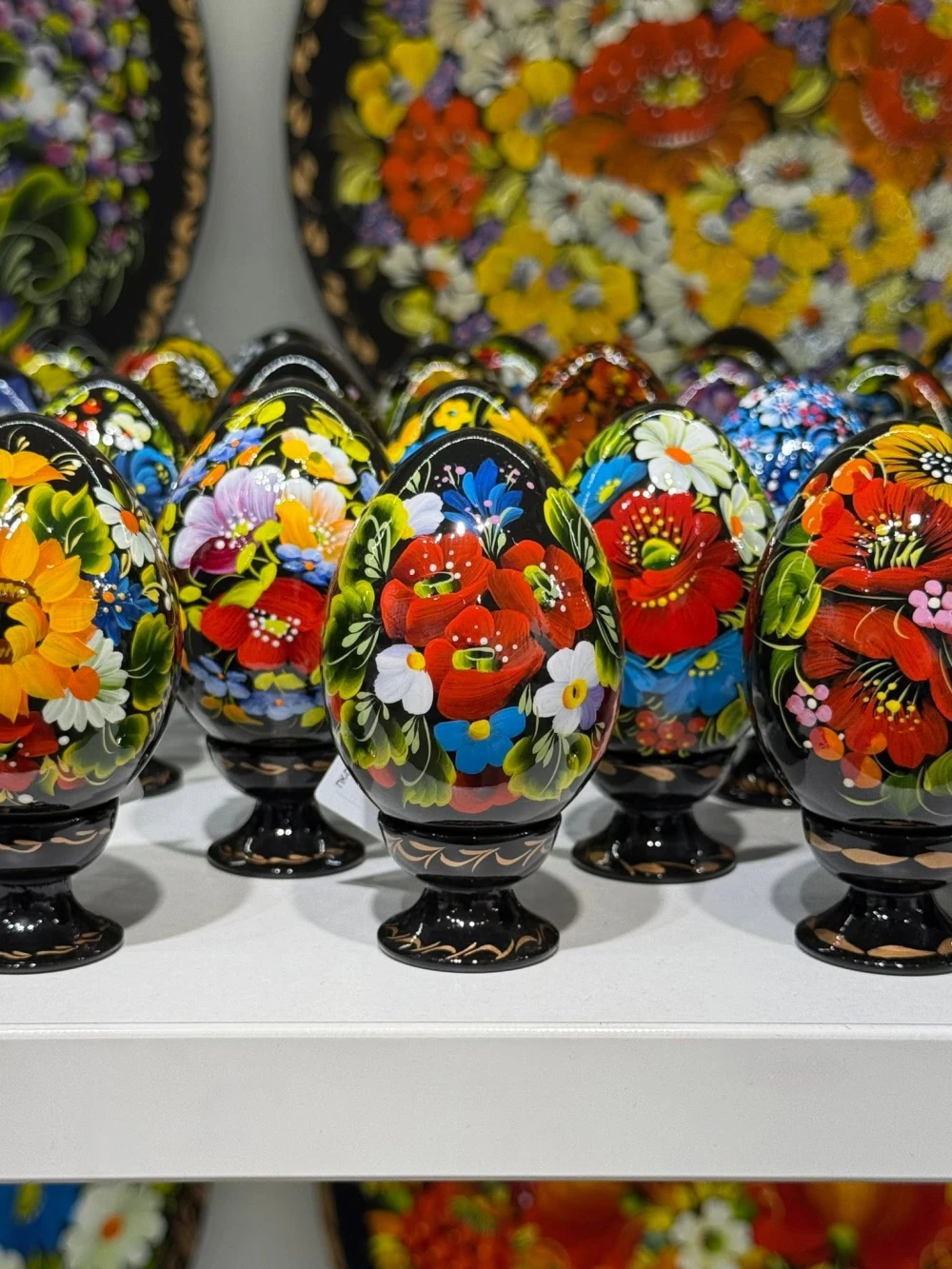
Few Easter symbols are as closely associated with Ukraine as the pysanka. Decorated with intricate ornaments and symbolic motifs, its name comes from the Ukrainian word pysaty (“to write”), as the patterns are traditionally “written” with beeswax before the egg is dyed in several colours.
Although the pysanka is most closely associated with Easter, it has long been exchanged as a gift, kept at home as a protective symbol, and used in family traditions and ceremonial customs. Ukrainian pysankas are recognised around the world for their intricate designs, vibrant colours, and centuries-old wax-resist decorating technique. In 2024, the tradition of decorating Ukrainian pysankas was inscribed on UNESCO’s Representative List of the Intangible Cultural Heritage of Humanity.
In the weeks leading up to Easter, pysankas appear in museums, souvenir shops, Easter markets, workshops, and festive events across Kyiv. If you’re visiting the city in spring, it’s one of the best ways to experience Ukrainian Easter traditions firsthand.
Kalyna: A Symbol of Beauty, Home, and Resilience
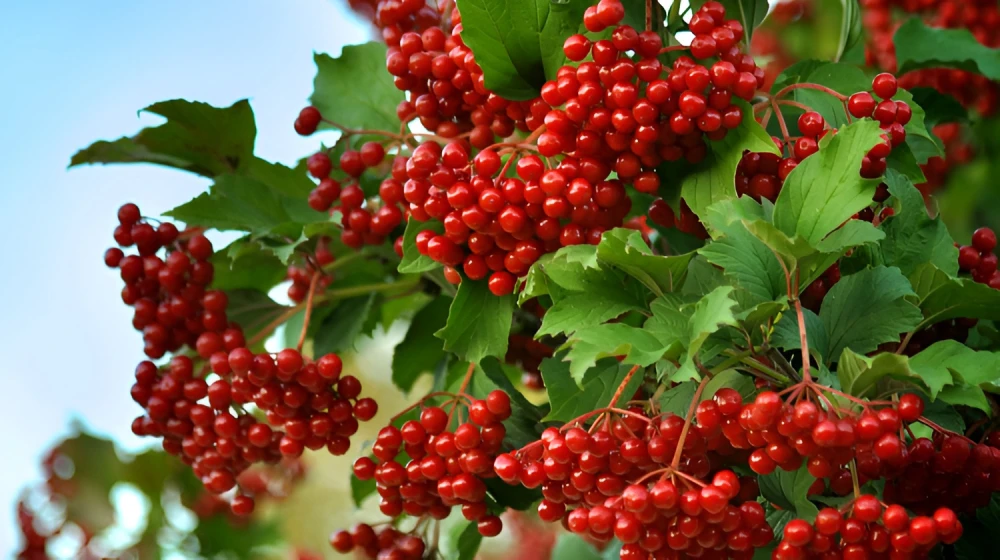
The bright red berries of kalyna (guelder rose) have held a special place in Ukrainian culture for centuries. They appear in folk songs, embroidery, traditional customs, literature, and decorative art. For Ukrainians, kalyna is closely associated with home, family, remembrance, and love for one’s homeland.
In folk tradition, kalyna symbolises feminine beauty, family lineage, the continuity of life, and the bond between generations. Its image often appears in wedding songs, family customs, and traditional decorations.
Kalyna also plays an important role in Ukrainian literature and music. The folk song “Oi u luzi chervona kalyna” has become one of the country’s best-known symbols of unity and resistance. Since 2022, kalyna has taken on renewed significance in contemporary art, charity initiatives, and visual culture.
In Kyiv, you can spot kalyna in traditional ornaments, souvenirs, murals, museum exhibitions, and festive decorations.
Rushnyk: A Cloth Woven with Tradition
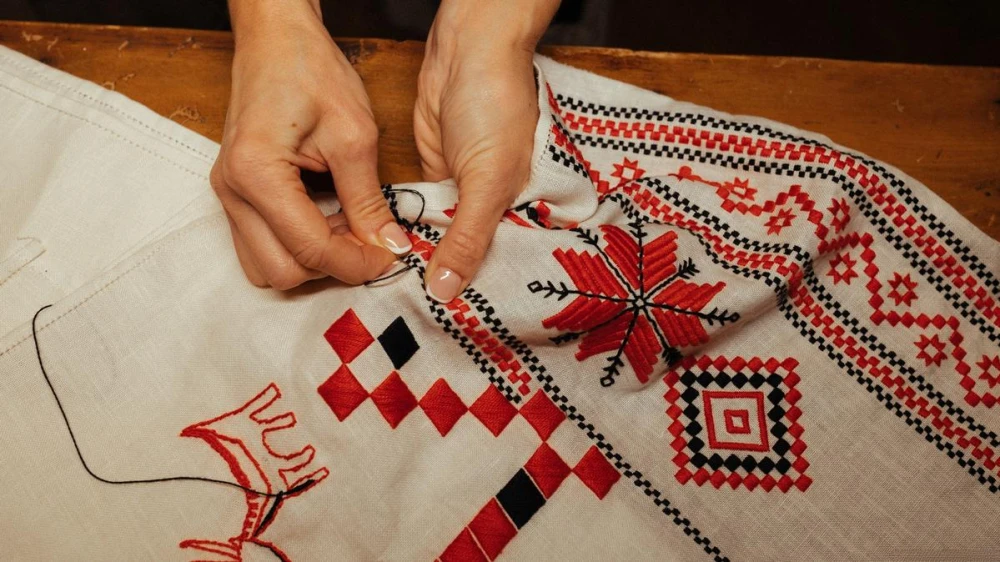
In many Ukrainian homes, especially among older generations, you will find at least one embroidered rushnyk. More than a decorative cloth, it has long played an important role in family life and traditional ceremonies.
The rushnyk is especially important in Ukrainian wedding traditions. It was used to bless newlyweds, decorate icons, and symbolise family prosperity. Many families kept embroidered rushnyks for generations as reminders of important life events and their family heritage.
Traditionally, the rushnyk was also regarded as a protective talisman. Its embroidered patterns carried symbolic meaning, representing life’s journey, protection, blessings, family, and the continuity of generations.
In Kyiv, embroidered rushnyks can be found in museums, churches, souvenir shops, folk art exhibitions, and during traditional celebrations.
Sunflower and Stork: Symbols You’ll Notice Across Ukraine
The sunflower and the stork are not official national symbols, but they have become closely associated with Ukraine’s landscapes, cultural traditions, and contemporary visual identity.
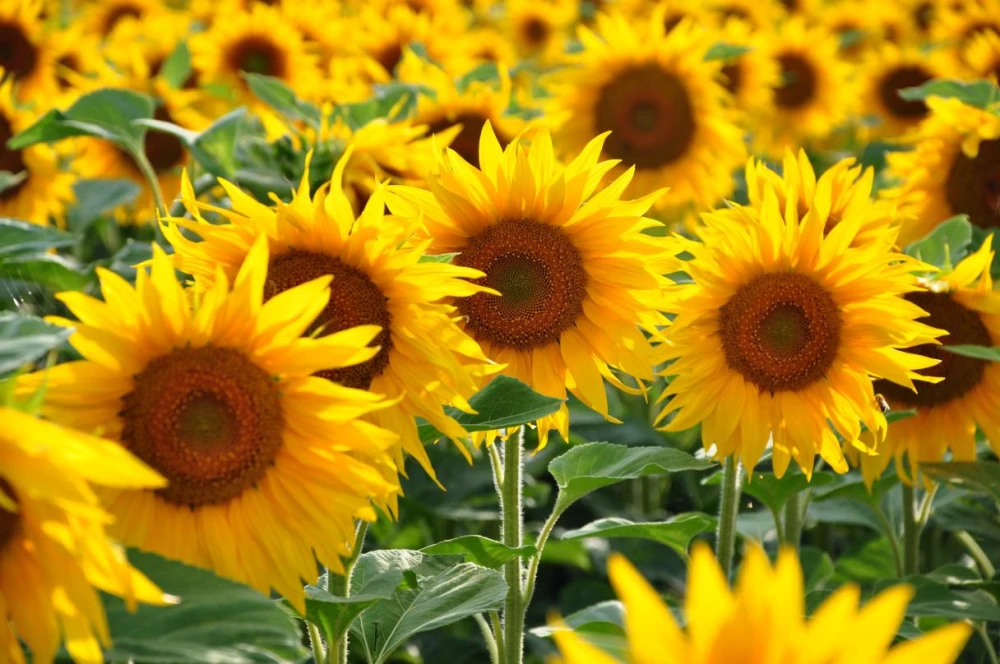
The sunflower is associated with golden fields, sunshine, fertile land, and life. As one of the world’s largest producers of sunflower seeds, Ukraine has long been linked with this distinctive flower. Since 2022, the sunflower has also become a widely recognised symbol of resilience, remembrance, and solidarity with Ukraine.
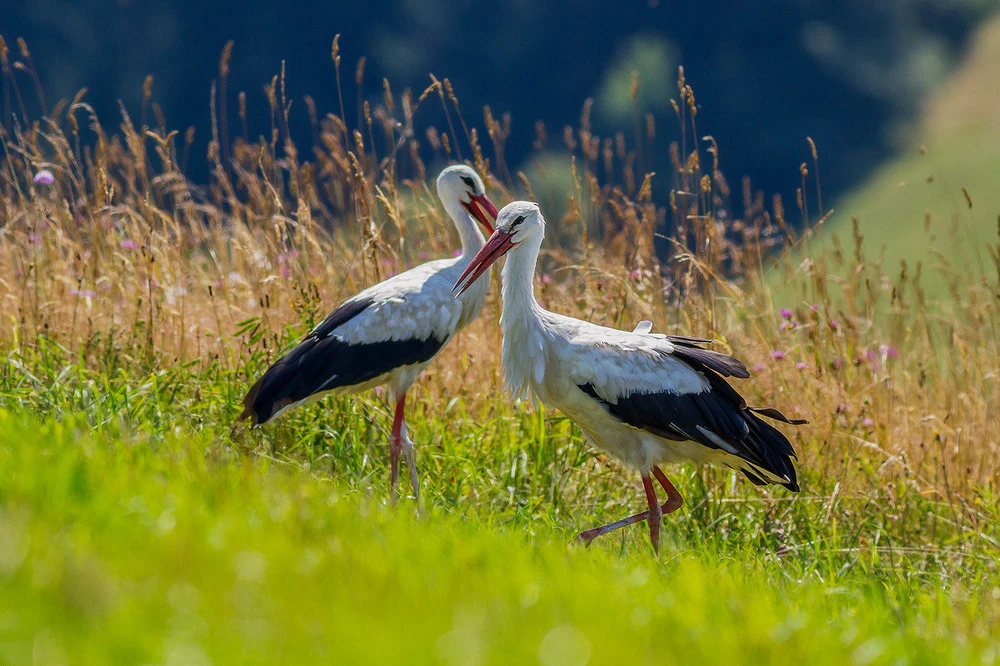
In Ukrainian culture, the stork represents home, family, prosperity, and return. Traditionally, a stork’s nest beside a house was considered a good omen, while the bird itself became a cherished symbol of peaceful life and a deep connection to one’s homeland.
Today, sunflowers and storks frequently appear in souvenirs, murals, postcards, and contemporary Ukrainian design.
What Do Ukrainian Symbols Mean Today?
Today, Ukrainian symbols are about much more than history and tradition. They remain an important part of contemporary culture and express the country’s freedom, independence, unity, and national identity.
The flag, the Tryzub, the vyshyvanka, kalyna, and the sunflower appear not only during national holidays. They can be seen on murals, in fashion, graphic design, jewellery, charity campaigns, music videos, and festival decorations.
Since 2022, many of these symbols have taken on even deeper meaning. The blue and yellow colours have become an international sign of solidarity with Ukraine; the Tryzub represents statehood and resistance, while the vyshyvanka, kalyna, and the sunflower express a lasting connection to Ukrainian culture, home, and identity.
Where to Discover Ukrainian Symbols in Kyiv
The best way to understand Ukrainian symbols is to experience them as part of the city’s everyday life. In Kyiv, you’ll find them:
- on streets and public squares
- in museums and galleries
- in shops featuring local Ukrainian brands
- on event posters
- in souvenir shops, cafés, and public spaces
Visit Museums Dedicated to Ukrainian Culture
For a deeper understanding of Ukrainian culture, add at least one of these museums to your itinerary. At the Pyrohiv Open-Air Museum, you can explore traditional Ukrainian houses, embroidered rushnyks, folk clothing, household items, and festive objects from different regions of the country.
The Ivan Honchar Museum showcases Ukrainian folk art, embroidery, ceramics, icons, and textiles. At the National Museum of the History of Ukraine, you can explore the historical context of Ukraine’s state symbols, from the princely era to modern independence.
Explore Andriivskyi Descent
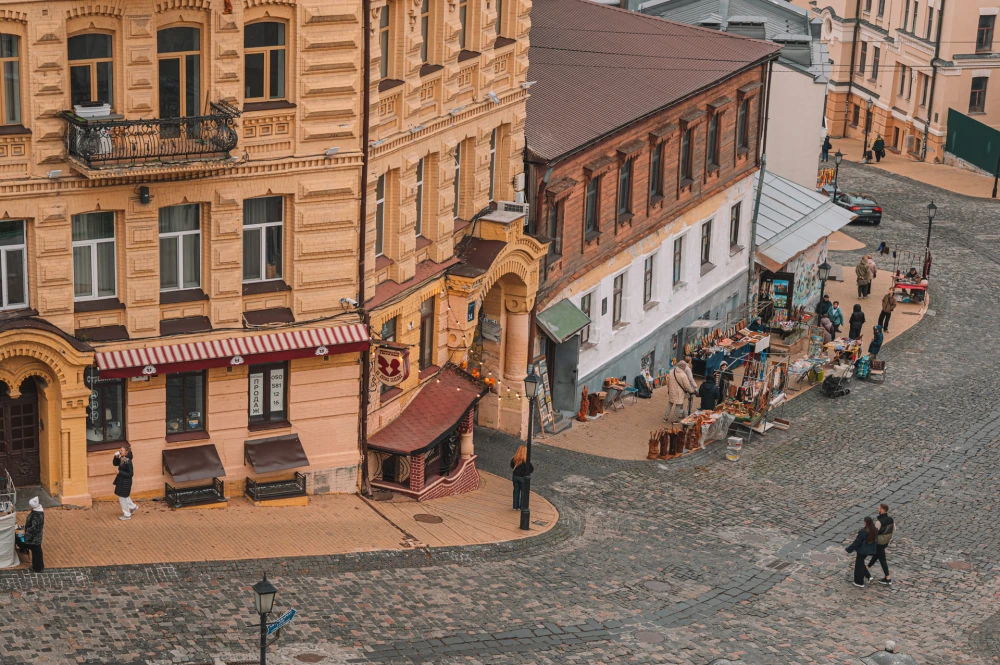
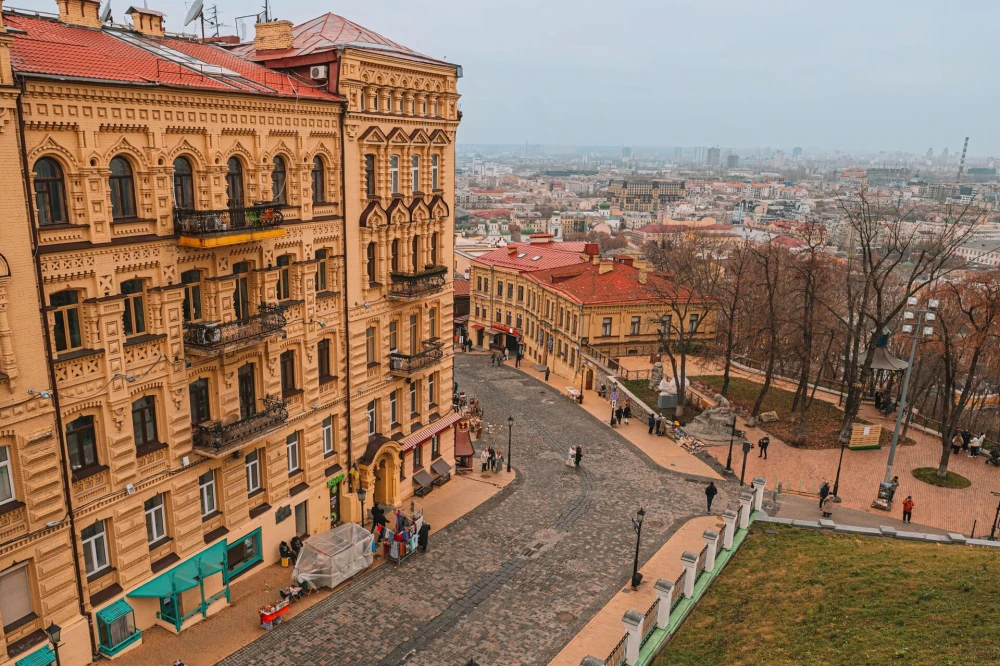
Andriivskyi Descent is one of the best places in Kyiv to experience Ukrainian culture. As you stroll along the historic street, stop by local workshops and souvenir shops. Here, you’ll find vyshyvankas, pysankas, ceramics, wooden crafts, and other handmade items created by Ukrainian artisans.
Even if you are not planning to buy anything, the atmosphere alone is worth the visit. Historic architecture, art galleries, and lively street life make Andriivskyi Descent one of Kyiv’s most vibrant and colourful destinations.
Experience Ukrainian Traditions During Holidays
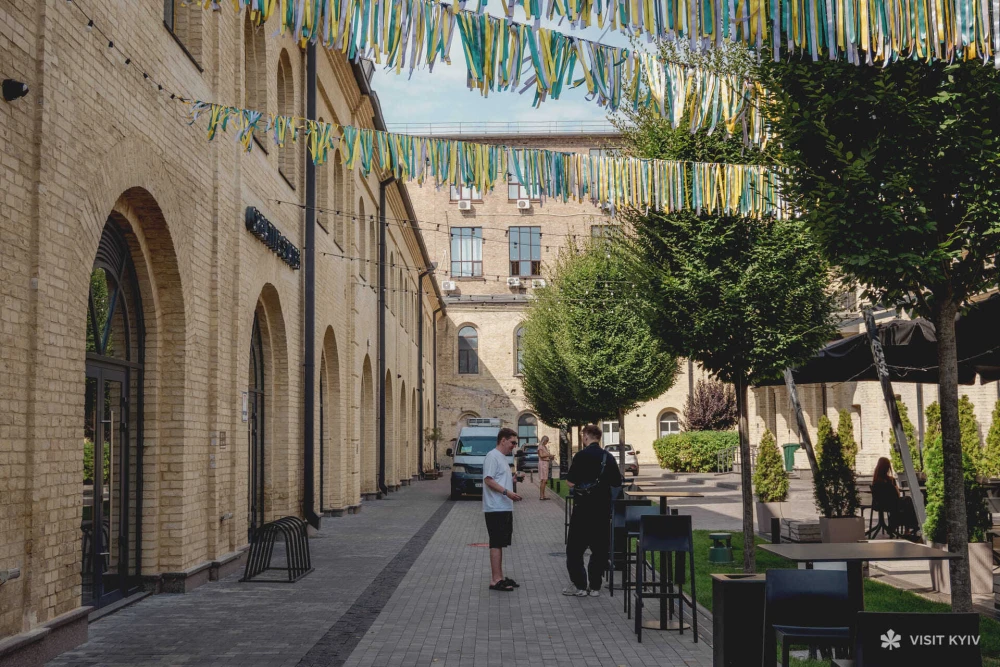
Many Ukrainian symbols are best experienced during traditional holidays. On Vyshyvanka Day, Ukrainians wear embroidered shirts with pride. On Independence Day, Kyiv fills with blue-and-yellow flags and national symbols. In the weeks leading up to Easter, the city hosts festive markets and pysanka-making workshops.
If you happen to visit Kyiv during one of these celebrations, you’ll experience Ukrainian traditions not as museum exhibits, but as a living part of everyday life.
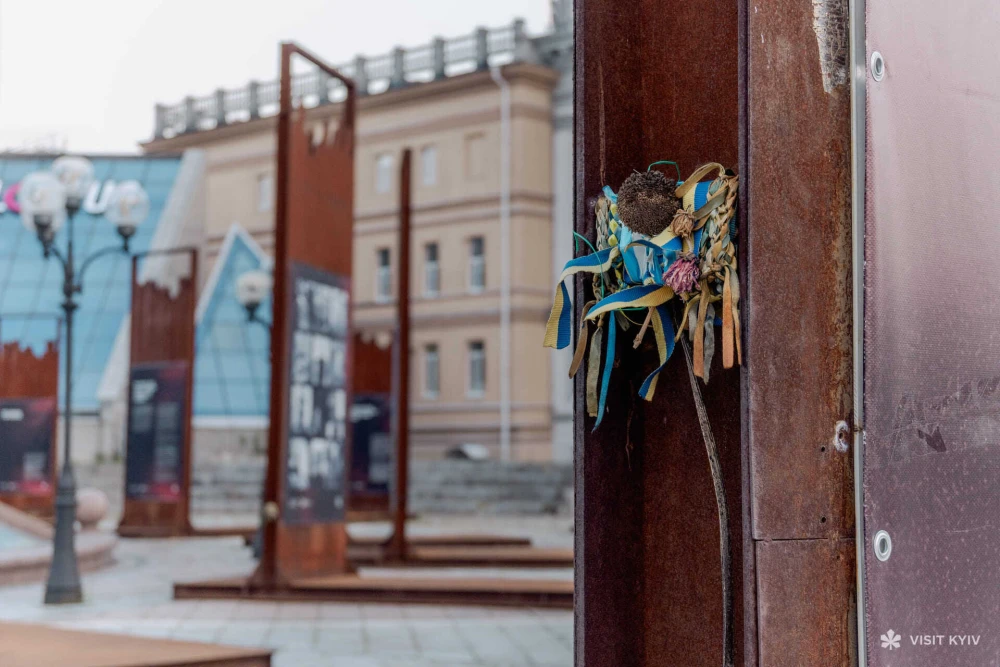
Notice the Symbols as You Explore the City
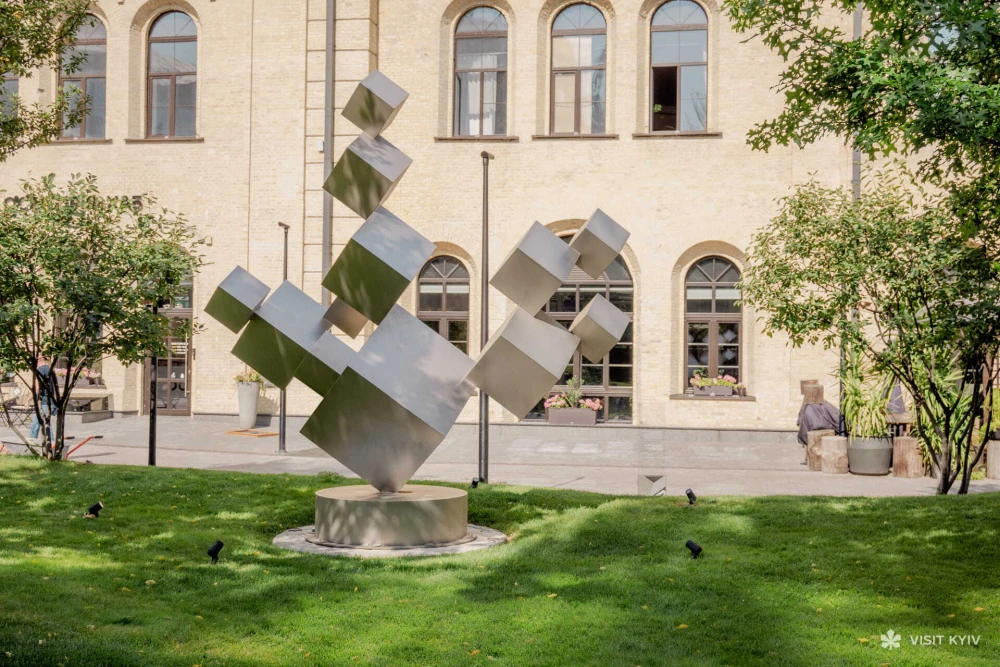
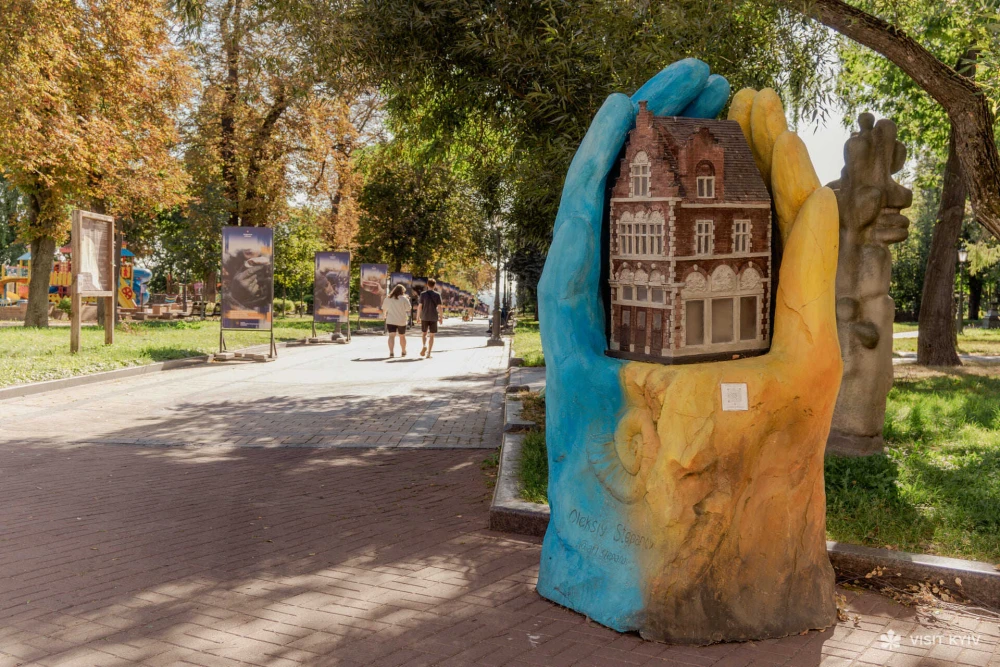
As you walk through Kyiv, you’ll notice Ukrainian symbols almost everywhere. Blue-and-yellow flags and the Tryzub appear on government buildings and public squares, while murals, shop windows, illustrations, and public art show how traditional symbols continue to shape the city’s modern identity.
Q&A about State and Folk Symbols of Ukraine

Ukraine has three official state symbols: the State Flag, the State Emblem, known as the Tryzub, and the National Anthem. There are also folk symbols, including the vyshyvanka, pysanka, kalyna, rushnyk, sunflower, and stork.
The most common interpretation associates blue with the peaceful sky and yellow with wheat fields. Today, these colours also symbolise freedom, independence, and Ukraine’s resilience.
The Tryzub is the Small State Emblem of Ukraine. It symbolises statehood, freedom, historical continuity and remains one of the main symbols of Ukrainian identity.
The most famous folk symbols of Ukraine include the vyshyvanka, pysanka, kalyna, embroidered rushnyk, sunflower, and stork. They reflect Ukrainian traditions, family values, and cultural heritage.
The vyshyvanka is a traditional Ukrainian embroidered shirt that combines embroidery art, regional identity, and family memory. Today, it is worn on holidays and in everyday life as a symbol of Ukrainian identity.
Travellers can see Ukrainian symbols in museums, on Andriivskyi Descent, during holidays, and throughout the city — on flags, murals, monuments, in souvenir shops, and in contemporary design.


