


Ukrainian varenyky: history, traditions, and where to try them in Kyiv
Regional recipes, symbolism, and Kyiv spots serving varenyky.

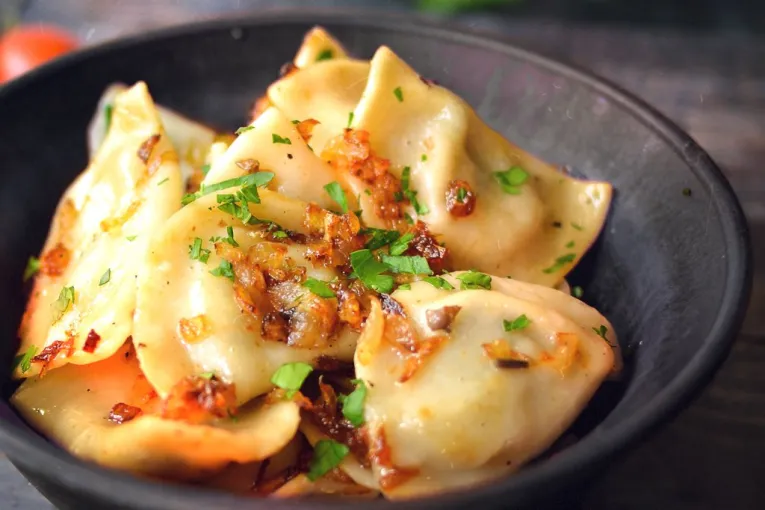
Ukrainian varenyky are traditional Ukrainian dumplings and one of the country’s best-known dishes. They’re a staple of traditional Ukrainian food. Often considered a national dish, they’re made from soft dough filled with potatoes, cottage cheese, cabbage, mushrooms, cherries, or other ingredients, then boiled or steamed.
But for Ukrainians, varenyky are more than just food. They’re part of family celebrations, holiday meals, and recipes passed down through generations. Fillings and cooking methods vary from region to region and even from one family to another.
So, what is varenyky’s place in Ukrainian culture, and where did the tradition begin? Let’s explore the history of this dish and where to try it in Kyiv.
History of varenyky: where do they come from?
It is difficult to say exactly where and when the first varenyky appeared. Dishes made from dough with a filling can be found in many cuisines around the world, including Polish pierogi, Chinese jiaozi, and Japanese gyoza. In Ukraine, however, varenyky developed their own distinct culinary tradition and became one of the most recognizable dishes of Ukrainian cuisine.
These Ukrainian dumplings named varenyky take their name from the verb varyty, meaning “to boil.” Traditionally, they’re boiled in water, although they can also be steamed.
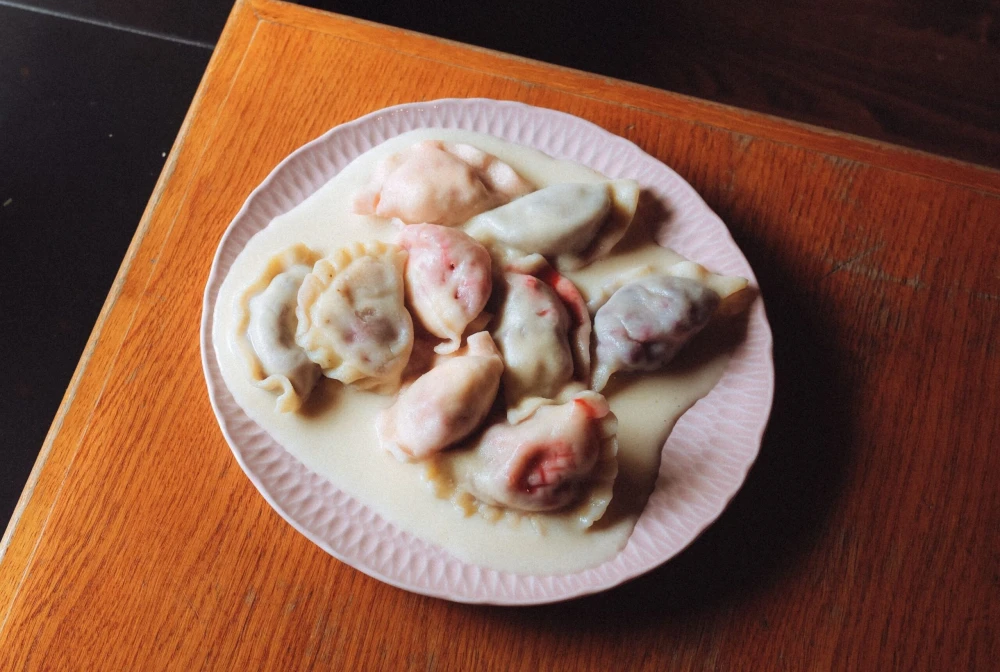
The dough is usually made from wheat flour, water, milk or kefir, and salt, sometimes with eggs or oil added. Fillings can be savoury — potatoes, cabbage, cottage cheese, mushrooms, or meat — or sweet, with cherries, berries, poppy seeds, and sweet cottage cheese.
Varenyky across Ukraine’s regions
Recipes for varenyky differed depending on the region, the ingredients available, and local culinary traditions.
In the Carpathians, traditional fillings included sheep’s cheese and bryndza. In the Poltava region, potatoes with shkvarky (crispy pork cracklings) were popular, while in Polissia, varenyky were made with beans and mashed bilberries. In Volyn, buckwheat with cottage cheese was a traditional filling. In southern regions, varenyky were known for their sweet and berry fillings.
The dough also varied across Ukraine. In different regions, people used wheat, barley, rye, buckwheat, and corn flour. Central and northern regions traditionally favoured fluffy steamed varenyky, while in western Ukraine the dough was rolled out more thinly and the varenyky were boiled in salted water. These differences reflect the wide range of regional varieties that developed across Ukraine.
Varenyky in Ukrainian traditions and customs
Varenyky have long held symbolic significance in Ukrainian culture. Their half-moon shape was traditionally associated with prosperity, fertility, and abundance.
Varenyky accompanied Ukrainians during holidays and important life events. They were served at weddings, after the birth of a child, at funerals, and during major celebrations.
On Christmas Eve, meatless varenyky were prepared as one of the traditional holiday dishes. During Masnytsia, varenyky were made with cottage cheese and served with sour cream and melted butter. On St. Andrew’s Eve, varenyky even played a part in girls’ fortune-telling: symbolic “surprises” were hidden inside — a coin foretold wealth, sugar promised a sweet life, and a ring meant an upcoming marriage.
Varenyky also appear in Ukrainian folklore, from traditional songs to stories and literature. They are even commemorated with a monument in Cherkasy.
Today, varenyky remain an important part of Ukrainian culinary culture and a symbol of the family table, hospitality, and shared traditions. Making them together is still associated with family gatherings and spending time together.
How are varenyky served and eaten?
Varenyky are usually served hot, shortly after cooking, with melted butter. Savoury varenyky often come with sour cream, fried onions, or cracklings, with fresh herbs sometimes added as a garnish. Sweet varenyky are commonly served with sour cream, honey, sugar, or berry sauce.
There are no specific rules for how to eat varenyky. In restaurants, they are usually eaten with a fork, with larger pieces divided into smaller bites if necessary. Be careful with cherry and other juicy fillings, as they can contain very hot liquid.
Where to try varenyky in Kyiv?
Petrus-ь
Petrus-ь is a restaurant specialising in traditional Ukrainian cuisine. Its menu features 14 types of homemade savoury and sweet varenyky, including potato, cabbage, and meat fillings, as well as berries, sweet cottage cheese, and poppy seeds. The varenyky are served with traditional Ukrainian accompaniments such as sour cream, cracklings, and fried onions.
Menu and prices:
- Potato varenyky with cracklings — 250 UAH;
- Cabbage varenyky — 220 UAH;
- Poppy seed and cherry varenyky — 195 UAH;
- Rabbit meat varenyky — 315 UAH;
- Strawberry varenyky — 255 UAH.
Переглянути цей допис в Instagram
Barvy
The modern Ukrainian restaurant Barvy serves both classic and more unusual types of varenyky. The menu includes fried lamb varenyky, as well as varenyky filled with wild boar, pike, and other ingredients. It is an option for those who want to try contemporary interpretations of the traditional dish.
Menu and prices:
- Fried varenyky with lamb — 335 UAH;
- Wild boar and forest mushroom varenyky — 340 UAH;
- Cherry varenyky — 280 UAH;
- Pike and cream cheese varenyky — 340 UAH.
Переглянути цей допис в Instagram
Mamatato
Mamatato is a chain of casual family cafés serving affordable home-style dishes. Its menu features 11 types of varenyky with both savoury and sweet fillings, including potatoes with cracklings, cabbage, mushrooms, savoury cottage cheese, and berries. Vegan options are also available.
Menu and prices:
- Potato varenyky with cracklings — 138 UAH;
- Cabbage varenyky with sour cream — 138 UAH;
- Potato and mushroom varenyky — 142 UAH;
- Mixed berry varenyky — 175 UAH;
- Vegan cherry varenyky — 175 UAH.
Переглянути цей допис в Instagram
Prynada Ukrainian Cafe
At Prynada Ukrainian Cafe, homemade varenyky come with less traditional fillings such as lamb, several types of cheese, marble veal, and catfish. The menu also includes classic sweet cherry varenyky.
Menu and prices:
- Assorted meat varenyky — 395 UAH;
- Catfish varenyky with sunflower seed sauce — 495 UAH;
- Four-cheese varenyky — 425 UAH;
- Marble veal varenyky — 355 UAH;
- Cherry varenyky — 355 UAH.
Переглянути цей допис в Instagram
Baluvana Galya Varenyky Café
The Ukrainian cuisine café Baluvana Galya is known for its homemade varenyky.
The menu includes both classic varieties and original combinations.
Menu and prices:
- Potato, mushroom, and crackling varenyky — 248 UAH;
- Zakarpattia-style varenyky with potatoes, pork, and porcini mushrooms — 252 UAH;
- Varenyky with suluguni cheese and tomatoes — 252 UAH;
- Steamed cherry varenyky — 274 UAH;
- Sweet cottage cheese varenyky — 234 UAH.
Переглянути цей допис в Instagram
Pervak
Pervak serves both savoury and sweet varenyky with meat, potatoes, cabbage, and other fillings. The menu also includes marble varenyky with cottage cheese and chocolate, as well as varieties made with gluten-free flour.
Menu and prices:
- Potato and porcini mushroom varenyky — 298 UAH;
- Colourful gluten-free varenyky with ricotta and spinach — 368 UAH;
- Marble varenyky with cottage cheese and chocolate — 249 UAH;
- Cherry varenyky in berry coulis with marble sour cream — 336 UAH.
Переглянути цей допис в Instagram
Q&A about ukrainian varenyky

Varenyky, Ukrainian dumplings, are made with sweet or savoury fillings and are usually boiled or steamed.
They’re called varenyky in Ukrainian.
Varenyky is pronounced roughly as vah-REH-nuh-ky, with the stress on the second syllable.
Varenyky and Polish pierogi share a similar shape and cooking method, but differ in their dough recipes, fillings, and culinary traditions. Ukrainian varenyky often have a thinner, softer dough, with popular fillings such as potato, cottage cheese, cabbage, cherries, and other berries.
The main differences lie in the filling, shape, and preparation traditions. Varenyky usually have a half-moon shape and can be either savoury or sweet. Pelmeni are typically smaller, round, and filled with meat.
Both. Savoury varenyky are made with potatoes, cabbage, mushrooms, meat, cottage cheese, and other fillings. Popular sweet versions include cherries, sweet cottage cheese, poppy seeds, and other berries.
Savoury varenyky are often served with sour cream, cracklings, fried onions, or fresh herbs. Sweet varenyky are typically served with sour cream, honey, sugar, or berry sauces.


