


“Kyiv is the most interesting city in Europe — one I keep coming back to”
A German volunteer Konrad Walter on war, drones, and his love for Kyiv

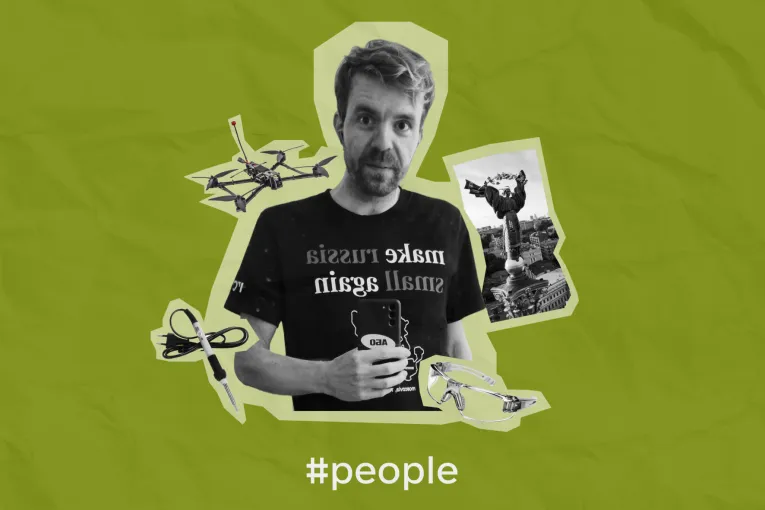
In his civilian life, Konrad Walter is a 39-year-old political advisor to a former German federal minister, living and working in Stuttgart. Several times a year, however, he steps out of his usual routine and becomes a volunteer helping to build FPV drones used to destroy Russian military equipment.
Since the start of the full-scale invasion, Konrad has visited Ukraine around 20 times and taken part in numerous volunteer initiatives. At first, he helped repair roofs on homes damaged by Russian attacks; later, he focused on assembling FPV drones to support Ukrainian soldiers.
According to VisitKyiv.com, in the first half of 2025, foreigners and stateless persons crossed Ukraine’s border 1,194,983 times. Of these, 23,687 were German citizens.
The VisitKyiv.com team spoke with Konrad about his connection to Ukraine, volunteering, and life in Kyiv during the war.
How the Chornobyl disaster brought me to Ukraine
My first connection to Ukraine happened even before I was born. I came into the world a few months after the reactor explosion at the Chornobyl Nuclear Power Plant in April 1986. Years later, while looking through my childhood photo album, I learned about this fact and began to explore the topic more deeply.
Later on, I saw a TV report about the “86” Film and Urbanism Festival in Slavutych — a small Ukrainian city built for people working in the radiation-affected zone. That report inspired me to come to Ukraine in 2017. At the festival, I met people from Kyiv and found many keys to understanding life in the Ukrainian capital and beyond.
In fact, I had already visited Kyiv back in 2010. To be honest, I came because the tickets were very cheap — and a friend and I didn’t want to spend Christmas with our families in Germany. So the choice was obvious. In 2017, Kyiv impressed me even more. I was fascinated by how Ukraine was striving toward its European future after the Revolution of Dignity. I told everyone I knew that, for me, Kyiv is the most interesting city in Europe — one I keep coming back to.
Volunteering from the first days of the war
When the full-scale invasion began, I was in Stuttgart. At the time, I volunteered at a hotel rented to accommodate 500 refugees. We worked there for weeks until professionals took over.
In the summer of 2022, I traveled to Ukraine, and since then I have spent all my vacations here, volunteering with friends. My friend Kseniia became a co-founder of the NGO Livyi Bereh, which delivered humanitarian aid to liberated villages in Kyiv, Chernihiv and Kharkiv regions. Together, we worked in villages near the Belarusian and Russian border and repaired around 400 damaged roofs. I remember how, after each repaired roof, elderly women cried with happiness and treated us to borshch — emotions I will never forget.
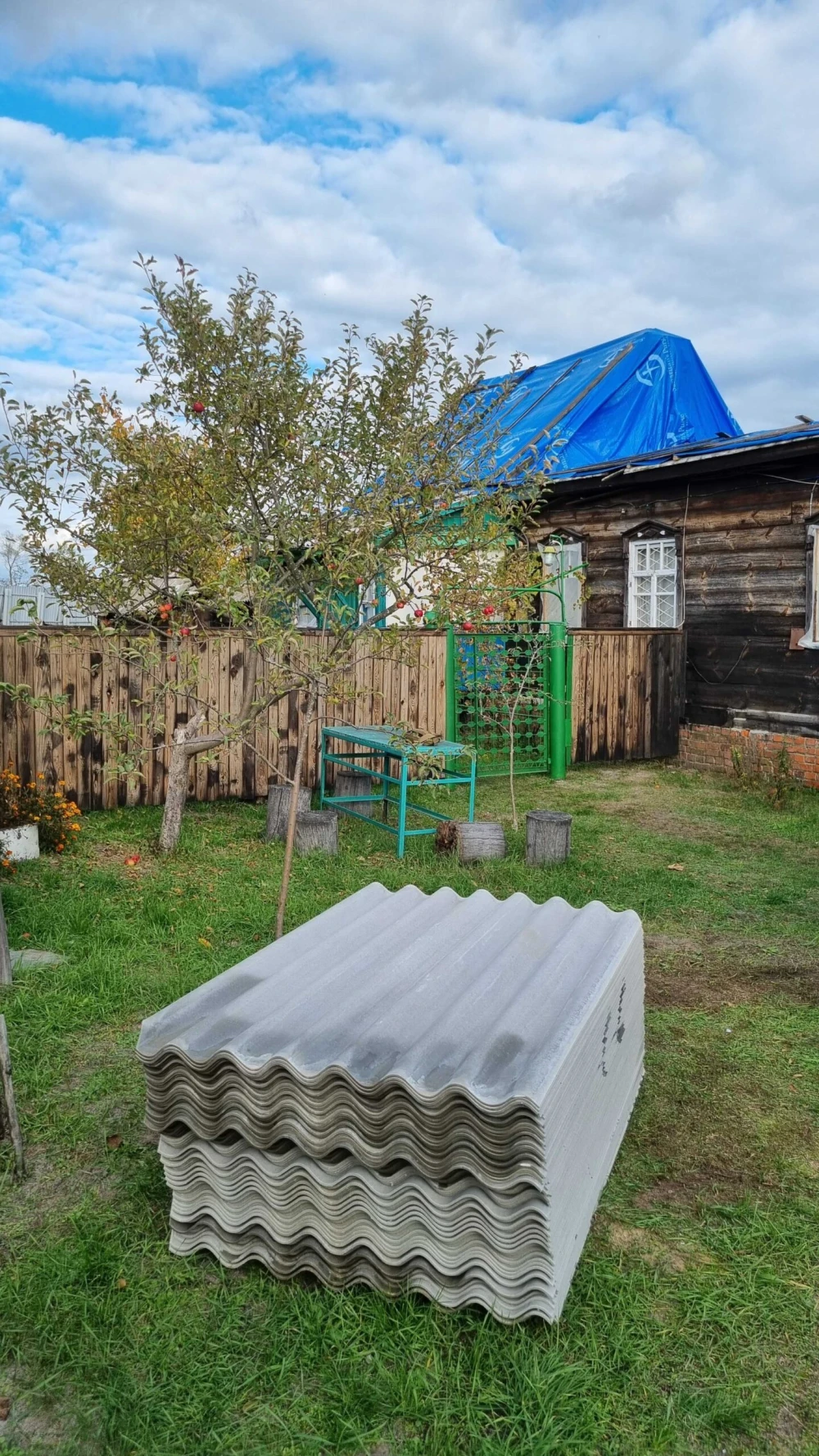
In addition, I managed to raise a significant amount of funds in Germany, which allowed us to repair two schools and a medical center. Together with Livyi Bereh, we turned one house into a small school, while other volunteers provided Starlink internet and a generator, as the Russians had destroyed the village’s power supply. It was Christmas, and we felt like real Santa Clauses.
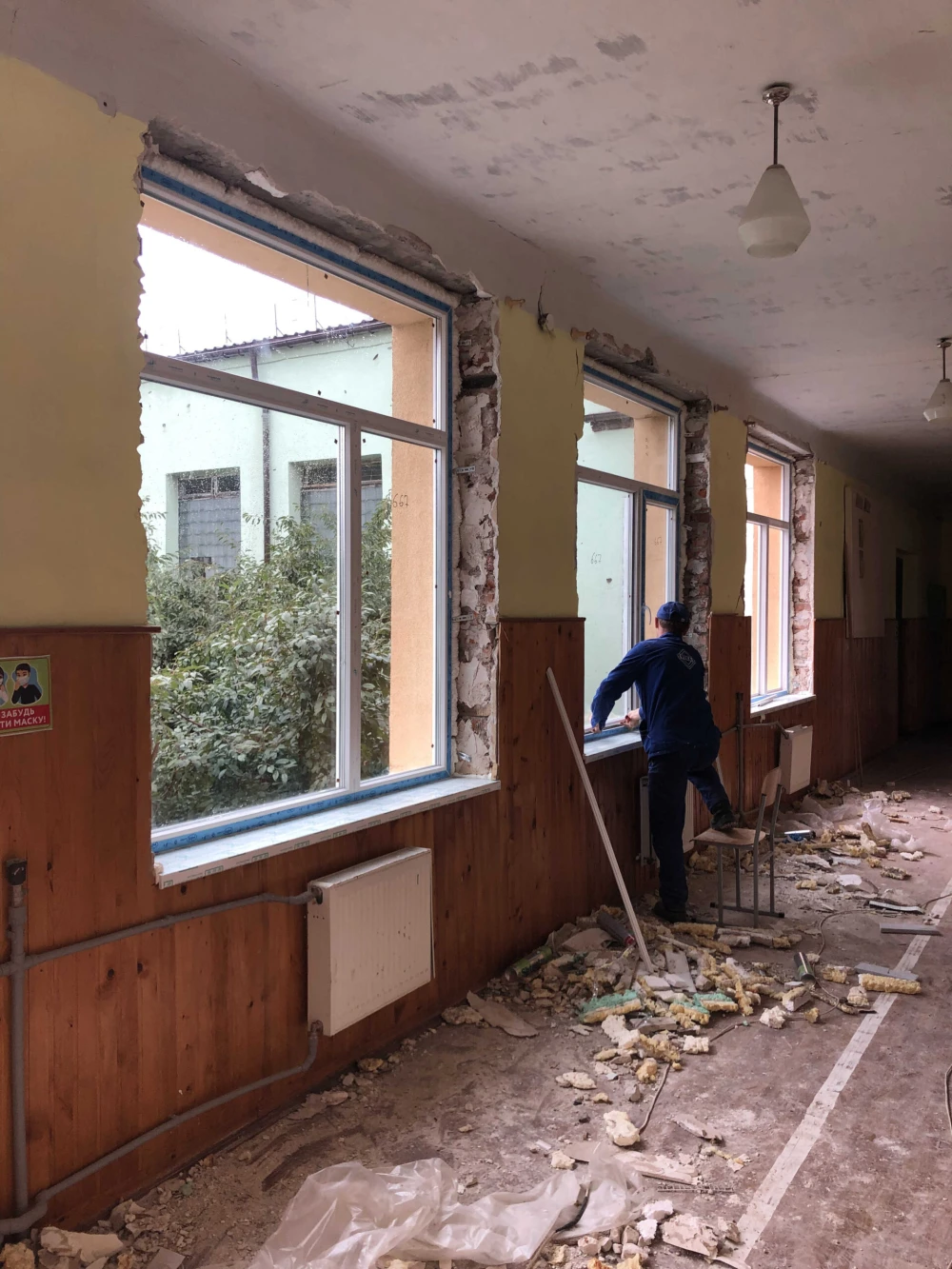
Of course, I never wanted to have such an experience, but this is how things turned out, and we were happy to be useful. I am deeply grateful for the trust people placed in us and for everything I went through.
A $400 FPV drone built by hand: how civilians help destroy the enemy
Currently, I volunteer with the charity drone workshop KLYN, which manufactures and supplies FPV drones for the Ukrainian army. It was also founded by my friend Kseniia, who before the full-scale invasion
owned a hipster flower shop in Vozdvyzhenka. It was her enthusiasm that inspired me to get involved in volunteering and drone production.
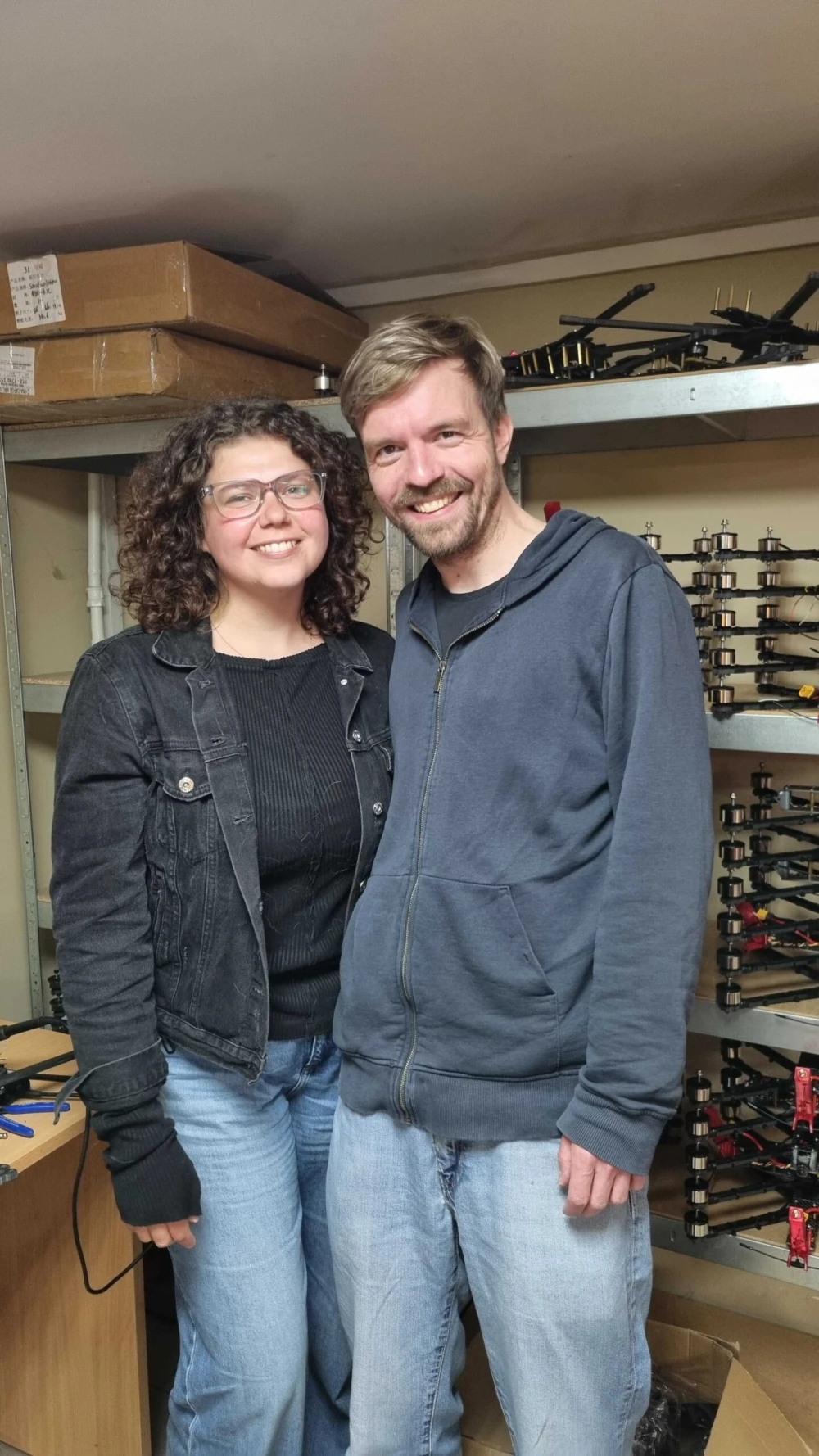
To be honest, at first I was a bit afraid to assemble drones because I have no technical background. But in the summer of 2025, I decided to come for six weeks and learn everything. At first, progress was slow, but within a week I was ready to solder real components.
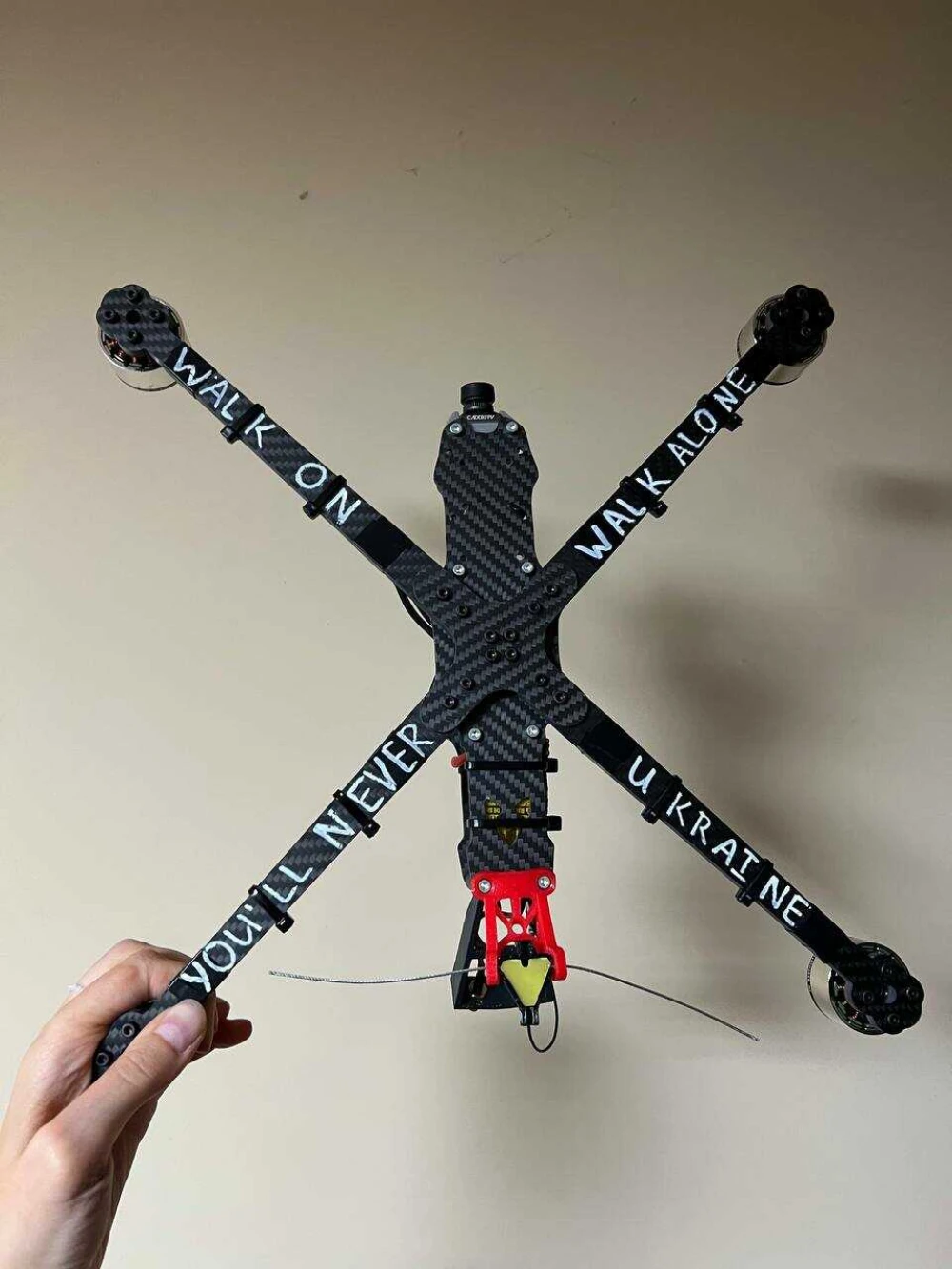
Realizing that a drone you built yourself — costing $350–400 — can destroy an enemy tank or missile launcher within a few days is incredibly motivating. Especially when you understand that even someone without technical experience can learn this and help fight for democracy while saving the lives of Ukrainian soldiers.
Life in Kyiv during the war
The first time I came to Ukraine after the full-scale invasion was in June 2022. It felt strange, because I didn’t really understand what “war” or an “air raid alert” meant. Even though that summer was relatively calm, the liberated outskirts of Kyiv looked horrific.
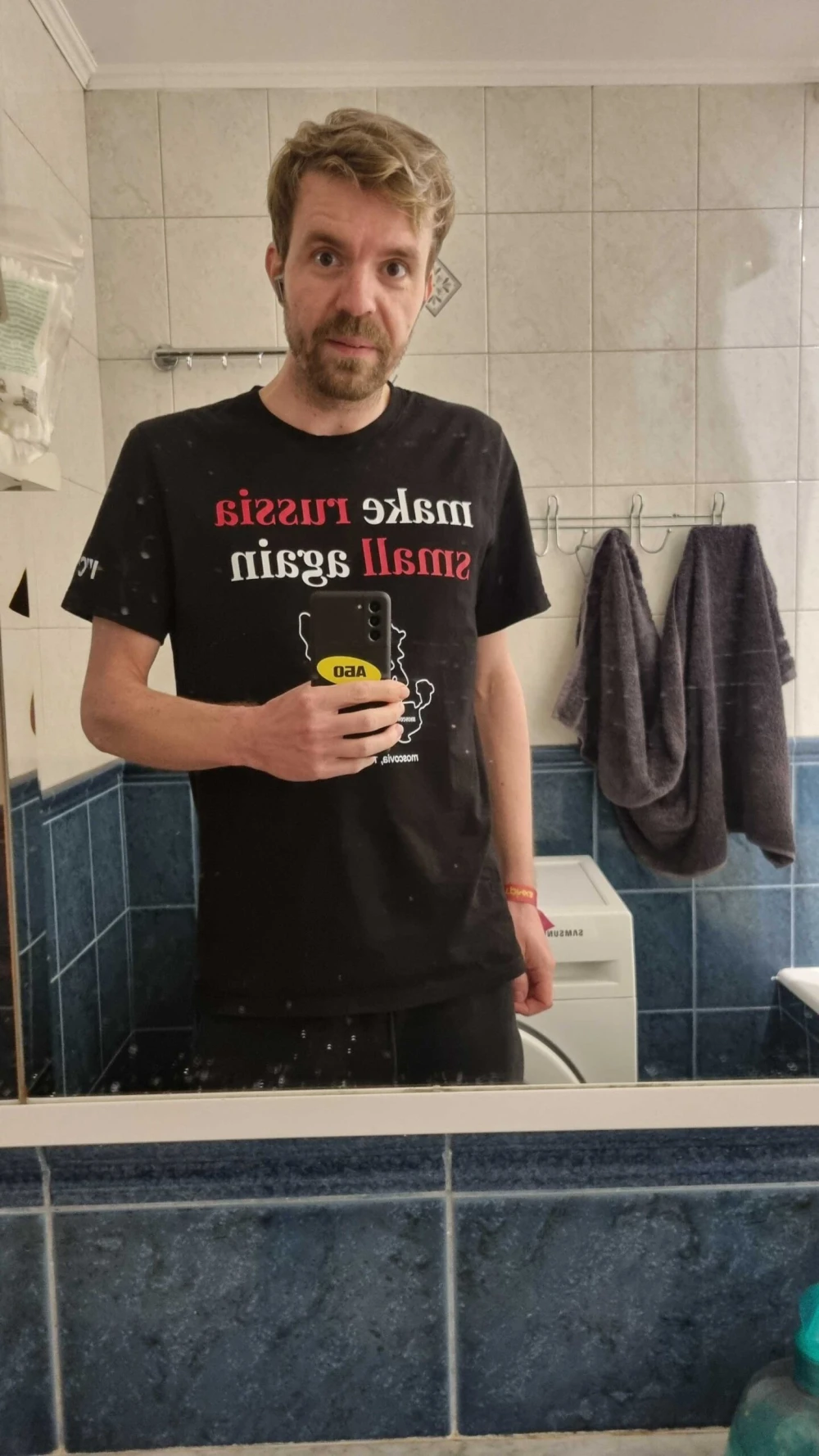
My family has grown used to my trips to Ukraine, but they still worry — especially when I don’t answer my phone because I’m sleeping after a night of air raid alerts. But they know I’m not here because of the war. I’m here because of my love for Ukrainians and for Kyiv, out of respect for European freedom and a desire to defend democracy and my values.
Sometimes people are surprised when they hear that I assemble drones. It’s a paradox: I say that drones attack Kyiv, and at the same time I build them myself. But I do this to demilitarize the occupiers — not to terrorize civilians in a European capital.
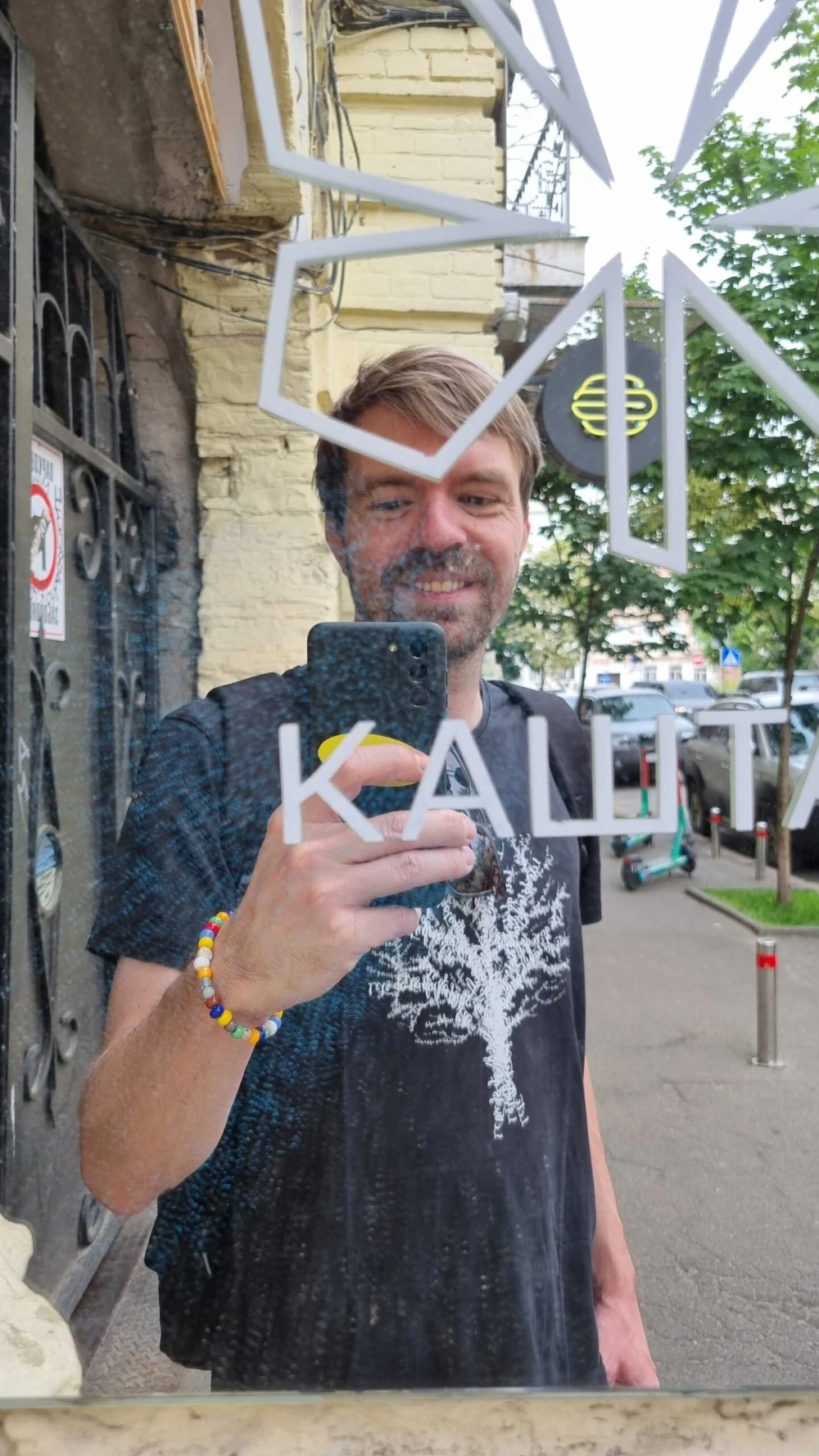
Some people imagine that there’s a Russian soldier on every corner in Kyiv, but that’s not true at all. Still, anyone coming here should be prepared for air raid alerts and explosions. For first-time visitors, I always advise choosing accommodation near a shelter — it makes things much calmer.
Kyiv is an incredible city that welcomes people from all over the world during the war — and will continue to do so after victory. Every visit is a contribution to victory, as you support local businesses, restaurants, bars, clubs, cultural life, and local artists. But if your only goal is to take photos of destroyed buildings, it’s better to stay home.
If Kyiv were a person…
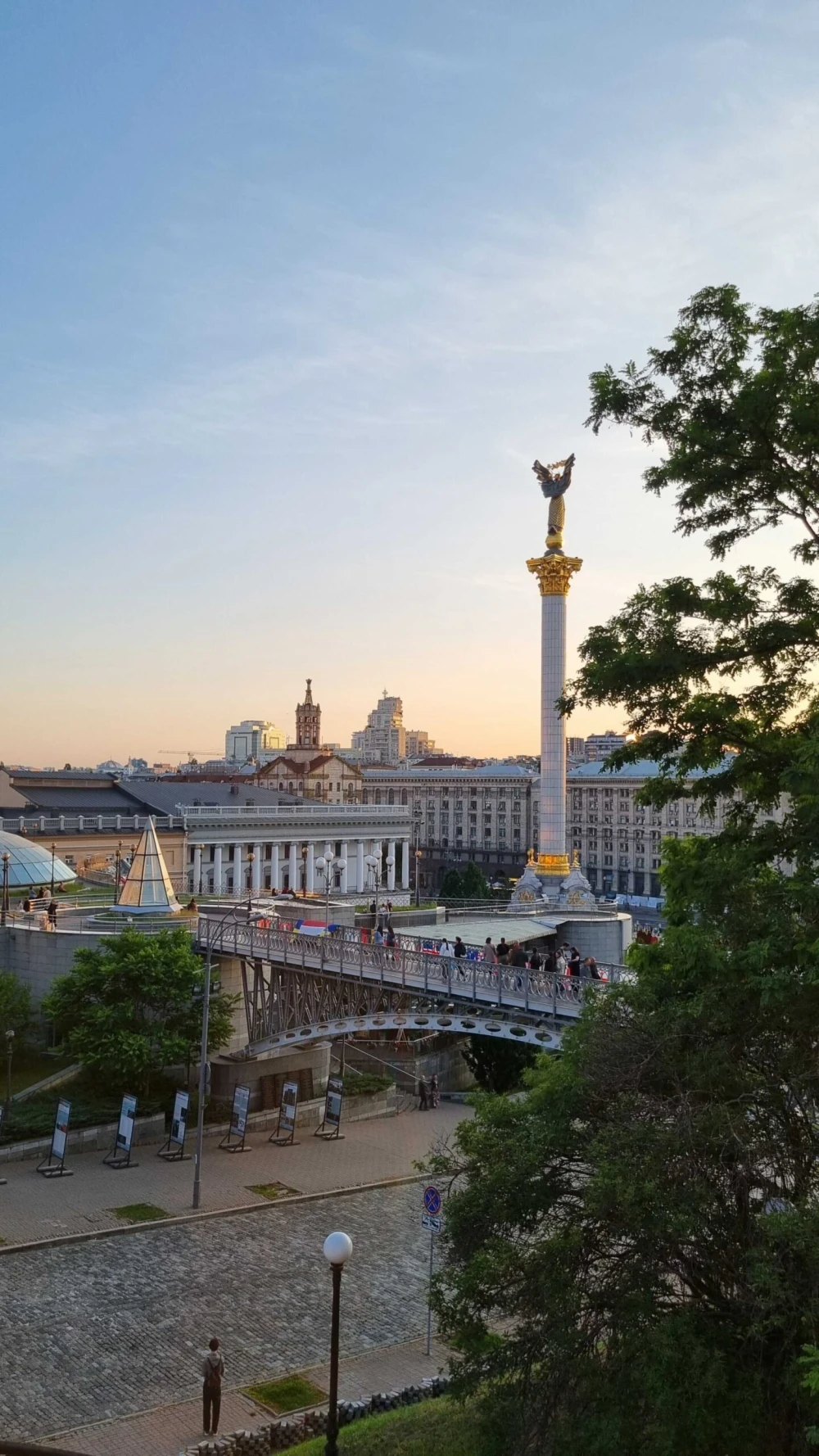
I think if Kyiv were a person, it would be a strong, educated woman with great taste in music and fluent English. She would have breakfast with syrnyky or avocado toast near Zoloti Vorota, have lunch surrounded by interesting friends, and spend the evening in Podil enjoying a glass of natural wine.


