Ukrainian culture and traditions: a visitor’s guide
Explore Ukrainian holidays, family customs and everyday etiquette.

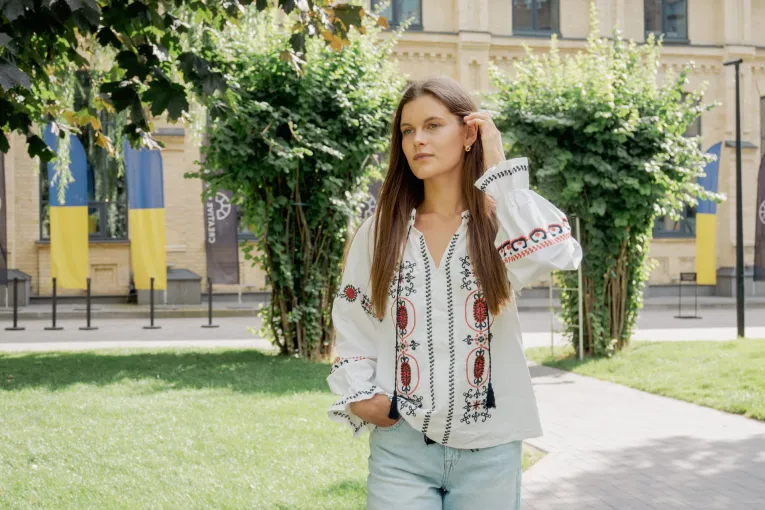
Why do Ukrainians make kutia at Christmas, decorate eggs at Easter or sit down for a moment before a long journey? These customs have stories behind them, shaped by centuries of history, local beliefs and family practices passed down through generations.
Ukrainian culture isn’t something you’ll only find in museums or at folk festivals. It’s part of everyday life, from family meals and holiday celebrations to the way people welcome guests into their homes.
This guide covers the Ukrainian traditions you’re most likely to encounter, what they mean and how to take part respectfully. You’ll also find practical tips and places in Kyiv where you can experience the country’s cultural heritage firsthand.
Where do Ukrainian traditions come from?
The culture of Ukraine has developed over centuries, shaped by agriculture, religion and cultural exchange with neighboring communities.
Some traditions in Ukraine have pre-Christian roots, while others emerged or changed as Christianity spread. Over time, these influences became intertwined.
For example, the didukh, a decorative sheaf of grain displayed at Christmas, is associated with the harvest and remembrance of ancestors. The art of decorating Easter eggs brings together traditional craftsmanship and Christian celebration.
Regional differences are another important part of Ukrainian cultural traditions. Communities in the Carpathians, Polissia, Podillia and Bukovyna have their own styles of embroidery, festive food, music and rituals.
Even neighboring villages may celebrate the same holiday differently. Ukrainian customs and traditions aren’t a fixed set of rules: they vary by region, family and personal beliefs.
Today, many Ukrainian folk traditions are still practiced at home, while others live on through festivals, museums, workshops and contemporary art.
Ukrainian holidays and traditions throughout the year
Many Ukrainian holidays follow the Christian calendar or reflect the changing seasons. Some are celebrated nationwide, while others are particularly important in certain regions.
Here’s what you might experience during your visit.
Christmas: kutia, carols and vertep
Most Orthodox and Greek Catholic communities in Ukraine celebrate Christmas on December 25, following calendar reforms introduced in 2023. Some religious communities still observe it on January 7.
Christmas Eve is traditionally spent with family. One of the main dishes is kutia, made with wheat, poppy seeds and honey, sometimes with nuts or dried fruit. Some families prepare twelve meat-free dishes, although this isn’t a universal custom.
Other Christmas traditions include:
- Koliadky: Christmas carols sung to wish people health and prosperity.
- Vertep: A traditional theatrical performance featuring biblical stories and folk characters.
- Didukh: A decorative sheaf of grain associated with the harvest, ancestors and family continuity.
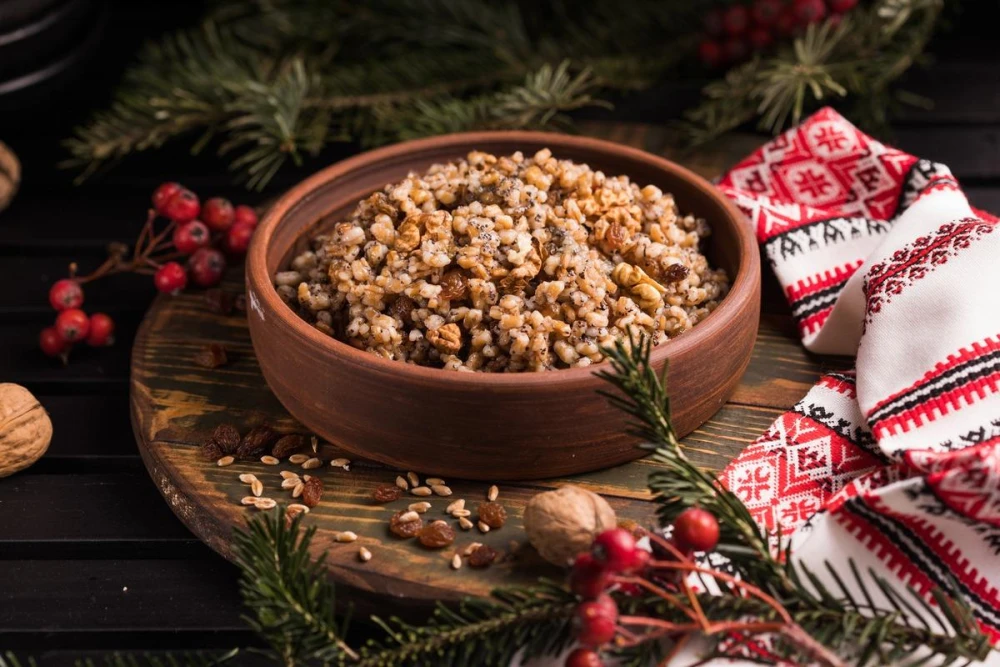
Look for Christmas concerts, carol performances and charity events in Kyiv throughout December. Check current listings, as programs change from year to year.
Easter: pysanky, paska and blessing baskets
Easter is one of Ukraine’s major religious holidays, bringing together church services, family gatherings and festive meals.
One of its best-known customs is pysankarstvo, the art of decorating eggs with intricate patterns using wax and dye. The finished eggs are called pysanky, while eggs dyed a single color are known as krashanky.
In 2024, the Ukrainian tradition of pysanka decoration was added to UNESCO’s Representative List of the Intangible Cultural Heritage of Humanity.
Families also bake paska, a traditional Easter bread. Many prepare baskets containing paska, eggs and other foods to be blessed at church.
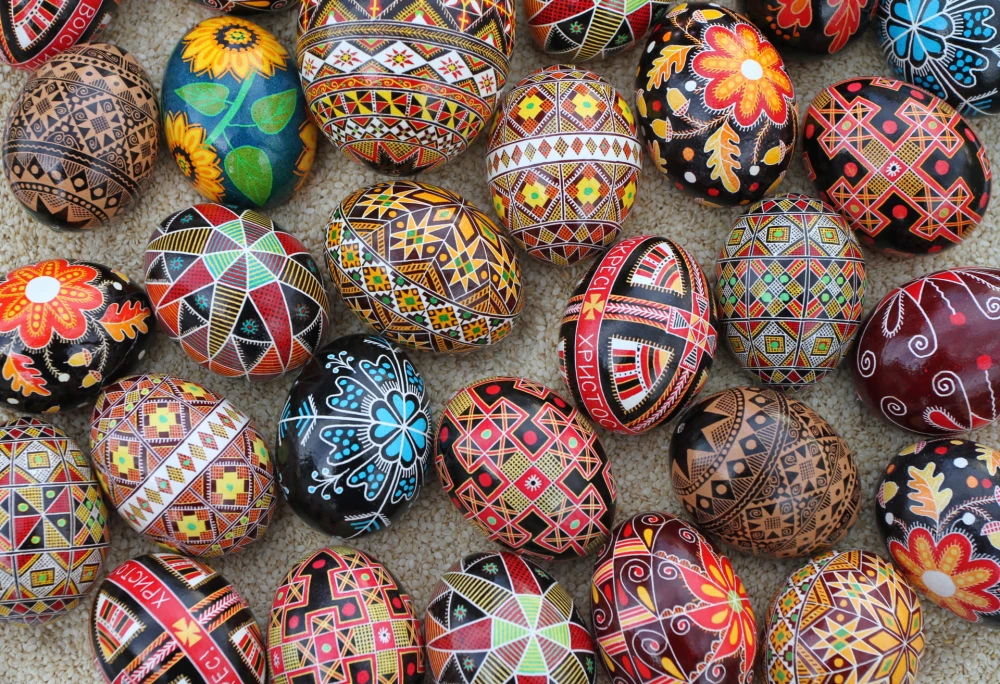
Try a pysanka-decorating workshop in the weeks leading up to Easter. If you attend a church service, follow local customs and ask permission before photographing people.
Kupala: flower wreaths, songs and bonfires
Kupala is a summer folk celebration associated with nature, water, fire and ancient seasonal beliefs.
Traditional activities include making flower wreaths, singing, dancing and gathering around ceremonial bonfires. Historically, these rituals were linked to purification, love and good fortune.
Following changes to the church calendar, the Nativity of John the Baptist is observed on June 24. Some communities and festivals, however, still hold Kupala celebrations in early July.
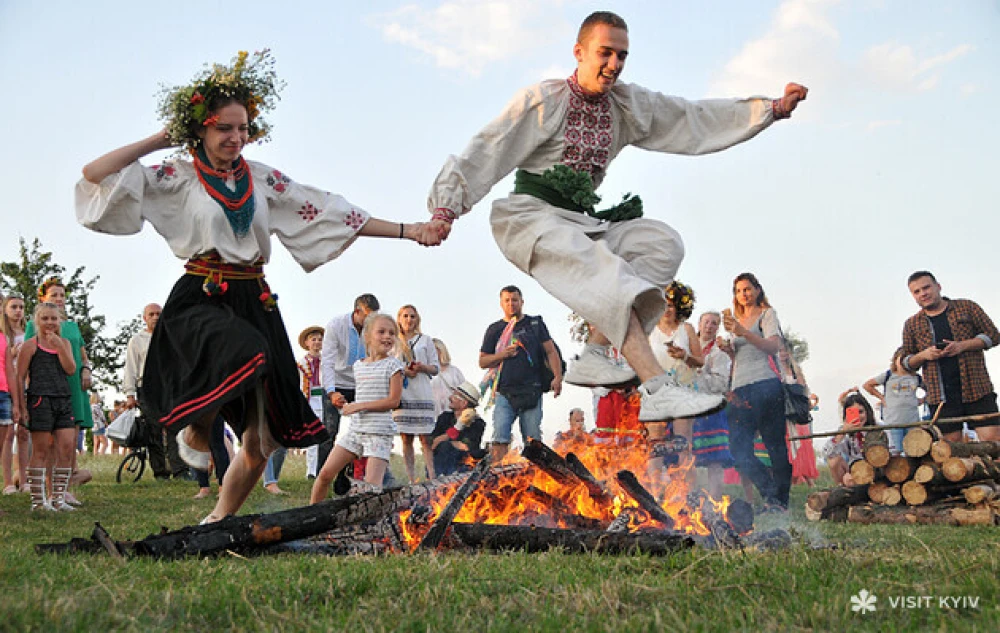
Folk festivals and cultural events are the best places to experience Kupala traditions today. Check the program beforehand, as activities vary.
Malanka and New Year celebrations
Malanka is a winter folk celebration known for elaborate costumes, music, dancing and humorous performances.
It’s especially popular in Bukovyna, where some communities organize colorful public festivities.
Under the revised church calendar, Malanka falls on December 31, although some communities continue to celebrate on January 13.
Another winter custom is shchedruvannia, when groups sing traditional songs wishing households prosperity and a happy new year.
Seasonal traditions also include harvest celebrations, historically marked by communal meals, songs and fairs.
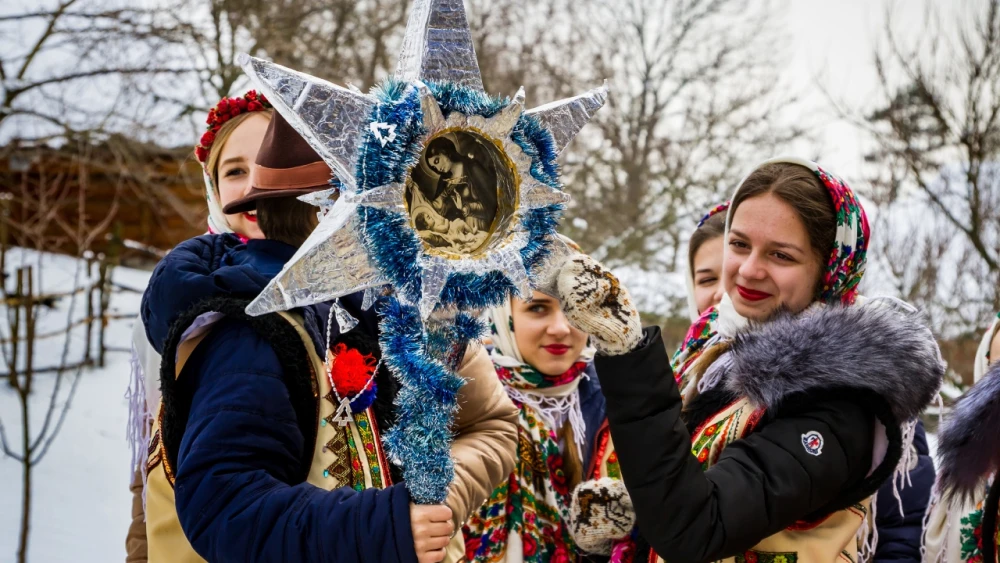
Ukrainian holiday calendar
| Holiday | When | What to expect |
|---|---|---|
| Christmas | December 25; January 7 in some communities | Carols, vertep performances and family meals |
| Malanka | December 31; January 13 in some communities | Costumes, folk performances and traditional songs |
| Easter | Date varies each year | Pysanky, paska and church services |
| Kupala | Late June or early July, depending on local practice | Flower wreaths, songs and folk festivities |
| Harvest celebrations | Late summer and autumn | Local fairs, seasonal food and community events |
Not every celebration takes place regularly in Kyiv. For some traditions, regional festivals and open-air museums offer a better introduction.
Ukrainian family traditions and rituals
Ukrainian family traditions often center on major life events, religious holidays and remembering loved ones. Customs vary between households, and many families adapt them to suit modern life.
Wedding traditions: korovai and rushnyk
A traditional Ukrainian wedding could involve matchmaking, engagement ceremonies, parental blessings, music and dancing.
Two particularly recognizable elements are:
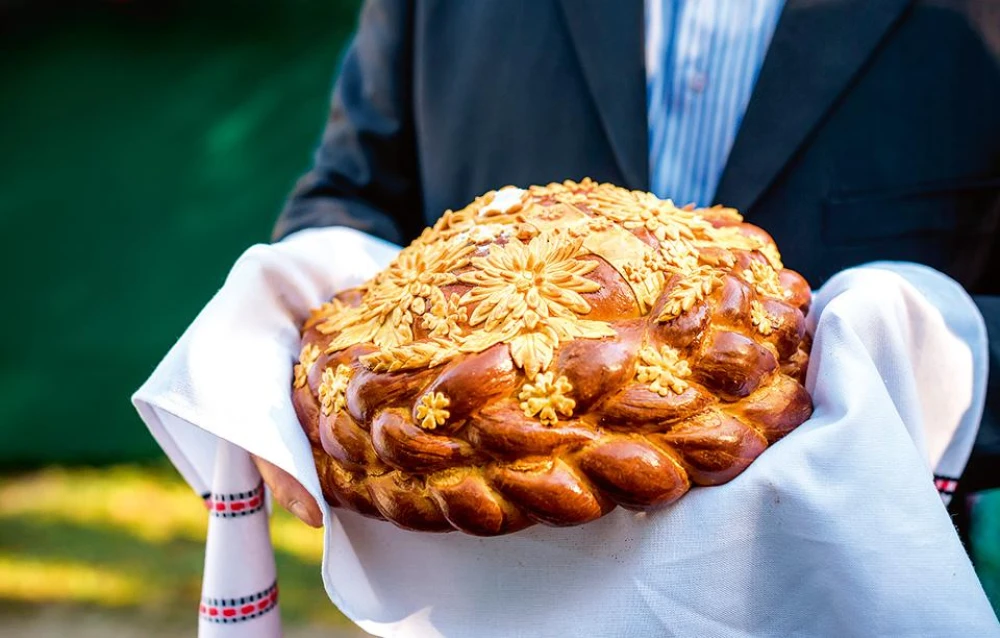
- Korovai: A decorated ceremonial loaf symbolizing prosperity and wishes for a happy marriage.
- Rushnyk: An embroidered cloth used during wedding blessings and other family rituals.
Modern couples may include these customs in their wedding celebrations or choose a completely different format.
Christenings and family gatherings
In religious families, a child’s christening can be an important occasion. Godparents are traditionally chosen to help with the child’s spiritual upbringing.
Some families gather for a meal afterward, while others celebrate the arrival of a child without a religious ceremony.
Family remembrance practices may include visiting graves, observing memorial days and sharing stories about relatives who have died.
If you’re invited to a family celebration, don’t worry about knowing every custom. Ask your host whether there’s anything you should bring or prepare.
Ukrainian symbols and their meaning
Many national traditions are associated with objects that carry cultural meaning. Some are used in ceremonies, while others have become widely recognized symbols of Ukraine.
| Symbol | Meaning and use |
|---|---|
| Vyshyvanka | A traditional embroidered shirt worn on holidays, at cultural events and in everyday life |
| Rushnyk | An embroidered cloth used in wedding, family and religious ceremonies |
| Kalyna | The guelder rose, a recurring symbol in Ukrainian songs and art, associated with family, life and Ukraine |
| Pysanka | A decorated egg associated with Easter and traditional craftsmanship |
| Bread and salt | A symbol of hospitality used during ceremonial welcomes |
| Didukh | A Christmas sheaf of grain associated with ancestors and the harvest |
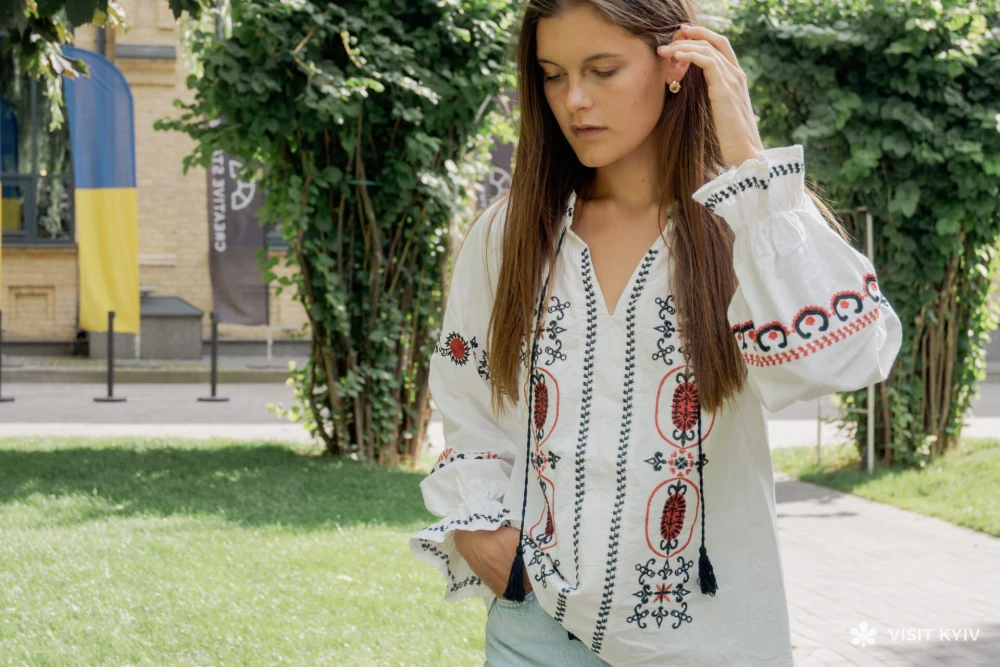
The vyshyvanka is probably the symbol you’re most likely to spot during a visit. Ukrainians wear embroidered shirts to weddings, concerts and national celebrations, but also as part of their everyday wardrobe.
Traditional embroidery varies by region, with distinctive patterns, techniques and color combinations.
If you’d like to take a piece of Ukrainian craftsmanship home, see our guide to gifts and souvenirs from Kyiv, including embroidered clothing, ceramics and handmade accessories.
Ukrainian hospitality and etiquette: what visitors should know
Some of the most memorable parts of Ukrainian culture happen around the dinner table. Understanding a few everyday customs can help you feel more comfortable when meeting local people or visiting someone’s home.
When you’re invited to a Ukrainian home
- Bring a small gift. Dessert, fruit or flowers are thoughtful choices, especially for a first visit. If you bring flowers, an odd number is customary.
- Ask whether to take off your shoes. Many households expect guests to remove outdoor footwear at the entrance. Your host may offer slippers.
- Expect to be offered something to eat. Even a quick visit may involve tea, coffee or homemade food.
- It’s fine to say no. You don’t have to accept more food or drink alcohol if you don’t want to.
- Thank your host. A simple “Thank you for having me” or “That was delicious” is always appreciated.
The traditional bread and salt welcome is more common at formal or ceremonial events than during ordinary home visits.
How to show respect in Ukraine
Ukrainian has formal and informal forms of address. When speaking Ukrainian, the polite form vy is generally appropriate for strangers and older people.
When visiting a church, follow local rules, avoid interrupting services and ask before taking photographs of people.
It’s also important to be mindful of the ongoing war. Don’t photograph military personnel without permission, military positions or air defense activity. Avoid asking strangers intrusive questions about personal losses or traumatic experiences.
These are useful guidelines rather than strict rules for every situation. As elsewhere, a little consideration goes a long way.
Ukrainian superstitions and beliefs
Some Ukrainian beliefs survive as everyday superstitions. People may take them seriously, follow them out of habit or simply laugh about them.
Here are a few you might encounter:
- Don’t whistle indoors. According to the superstition, you’ll lose money.
- Don’t pass things across a doorway threshold. Some believe it can lead to arguments.
- Sit down for a moment before a journey. This is a familiar custom meant to bring good luck on the road.
- Don’t give an even number of flowers. Even-numbered bouquets are traditionally associated with funerals.
- Don’t wish someone a happy birthday early. Some people consider it bad luck.
You don’t need to follow these superstitions yourself. But if your host asks you not to whistle indoors or pass something across the threshold, it’s polite to respect their preference.
How Ukrainian traditions fit into modern life
Ukrainian culture and traditions continue to evolve. You’ll see traditional influences in fashion, music, design and cultural events.
One example is Vyshyvanka Day, celebrated on the third Thursday of May. It began as a student initiative in Chernivtsi in 2006 and has since spread across Ukraine and beyond.
Today, embroidered shirts aren’t reserved for special occasions. Designers incorporate traditional motifs into contemporary clothing, while musicians give folk songs a new sound.
There’s also growing interest in traditional crafts. Workshops in pysanka decoration, pottery, weaving and embroidery give visitors a chance to try these techniques themselves.
Russia’s full-scale invasion has influenced how many Ukrainians relate to their cultural heritage. For some, language, traditional clothing, family holidays and folk art have become especially meaningful expressions of identity.
Volunteering and charitable initiatives have also become highly visible parts of everyday life. They’re not ancient rituals, but they are important features of contemporary Ukrainian society.
Ukrainian cultural traditions continue to develop alongside these newer forms of community participation.
Where to experience Ukrainian traditions in Kyiv
You don’t need to visit during a major holiday to discover Ukrainian culture. Kyiv has museums, workshops and restaurants where you can explore traditional crafts, historic lifestyles and local cuisine.
Pyrohiv Open-Air Museum
Pyrohiv is one of the best places to see what everyday life looked like in different regions of Ukraine.
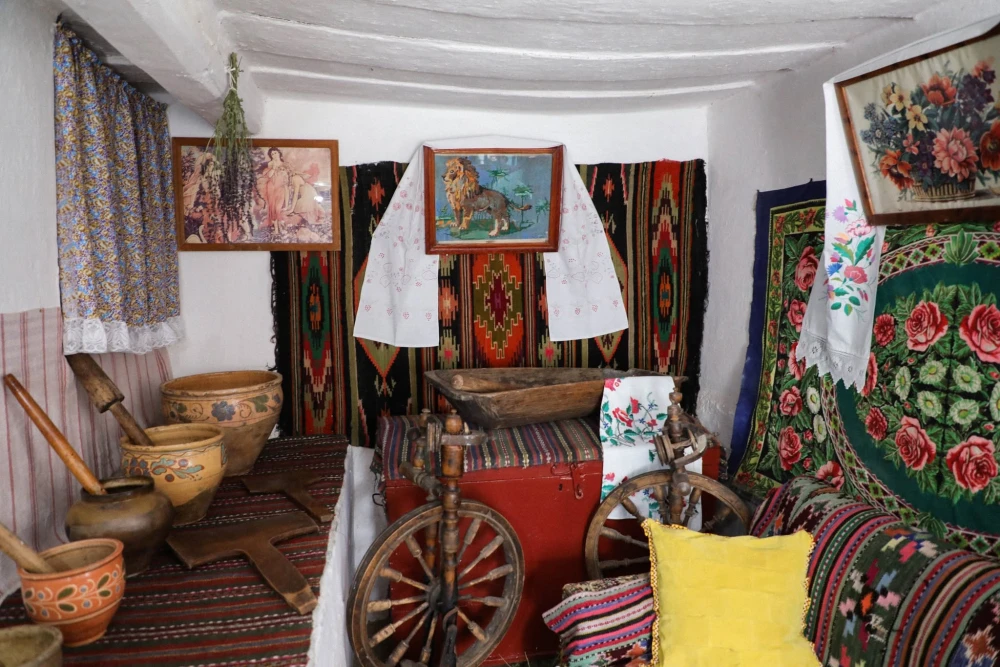
The museum features traditional houses, wooden churches, windmills and farm buildings. Walking through the grounds, you can compare architecture, household objects and rural traditions from different parts of the country.
Pyrohiv also hosts seasonal festivals, fairs and cultural activities.
Переглянути цей допис в Instagram
Set aside several hours for your visit. The grounds are extensive, and access to building interiors may vary by day or season. Check the latest information before you go.
Ivan Honchar Museum
The Ivan Honchar Museum is dedicated to Ukrainian folk art and traditional culture.
Its collections include clothing, ceramics, textiles, musical instruments and other objects that tell the story of Ukraine’s cultural heritage.
The museum also organizes exhibitions and educational events.
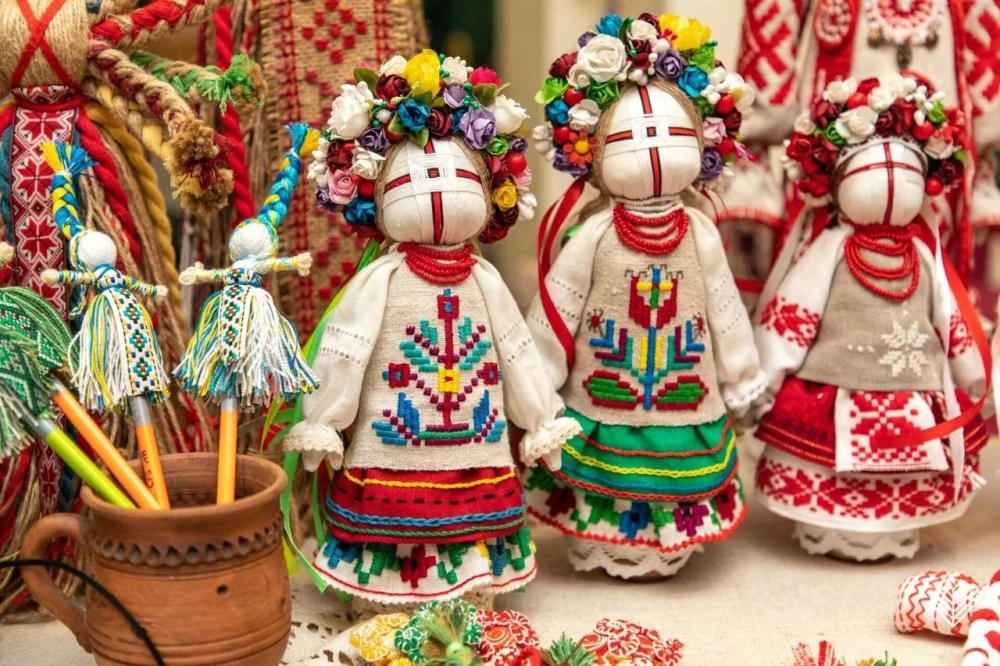
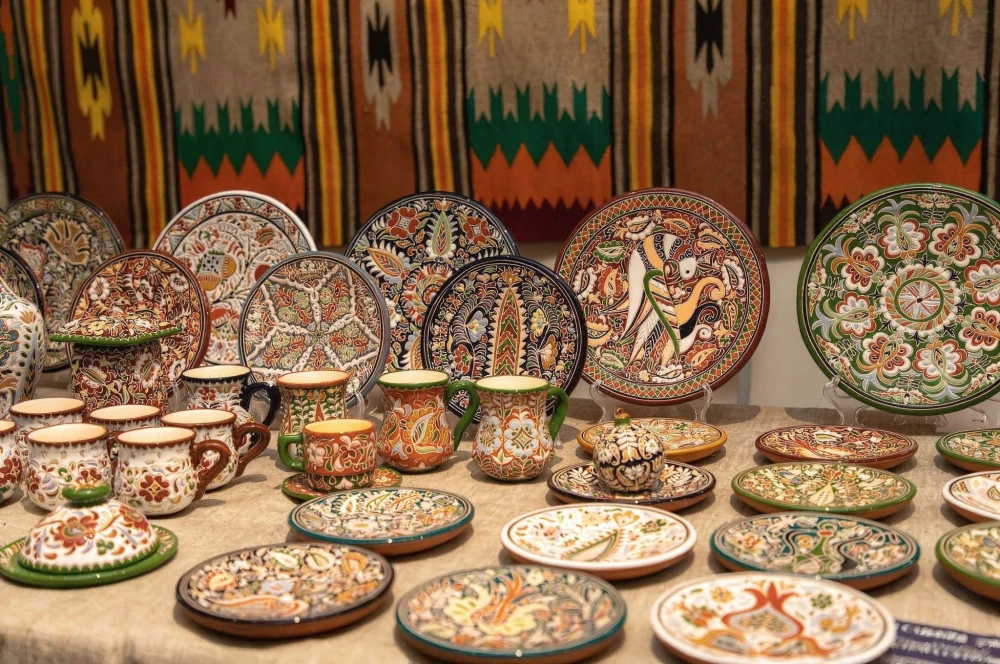
Check the current exhibition and workshop schedule before visiting. Some activities may require advance registration.
You can also explore more cultural venues in our guide to museums in Kyiv.
Discover Ukrainian food
Food is one of the easiest ways to get to know Ukraine.
Borscht, varenyky, holubtsi, deruny and syrnyky are widely served in Kyiv. Other dishes, including kutia and paska, are closely associated with particular religious holidays.
For a closer look at local cuisine, explore our guide to traditional Ukrainian dishes to try in Kyiv. It covers popular dishes, what they taste like and where to order them.
Переглянути цей допис в Instagram
If you’re trying Ukrainian food for the first time, start with borscht and varenyky. If you have dietary restrictions, ask about ingredients, as some dishes contain meat broth, dairy, or eggs.
FAQ about Ukrainian culture and traditions

Christmas caroling, preparing kutia, decorating Easter eggs and wearing embroidered clothing are among the best-known traditions. Family gatherings and hospitality also play an important role in Ukrainian everyday life.
Visitors often notice the custom of removing shoes indoors, being offered food when visiting someone’s home and the importance of family celebrations. These are everyday examples of Ukrainian traditions and customs.
Polite conversation, consideration for personal boundaries and appropriate behavior in religious spaces are all important. Ukrainian etiquette also includes using formal forms of address with strangers and older people.
Some people avoid whistling indoors, passing objects across a threshold or wishing someone a happy birthday early. Sitting quietly for a moment before a long journey is another familiar custom.
Most Orthodox and Greek Catholic communities celebrate Christmas on December 25. Some religious communities continue to observe it on January 7. Christmas Eve meals, caroling and family gatherings are among the main traditions.
A vyshyvanka is a traditional Ukrainian embroidered shirt. People wear it for holidays, weddings, cultural events and everyday occasions. Vyshyvanka Day takes place on the third Thursday of May.
Dessert, fruit, or flowers are good options. A small gift is a thoughtful gesture, not a strict requirement.
No. Your host may offer food or drinks more than once, but it’s perfectly acceptable to decline politely. Thanking them for the offer is enough.
Christianity has historically played a major role in Ukraine, particularly Orthodox Christianity and Greek Catholicism. The country is also home to other religious communities and nonreligious people. Some folk beliefs remain part of family customs regardless of religious practice.
No. Regional differences are an important part of Ukrainian heritage. Bukovyna is known for its elaborate Malanka celebrations, while the Carpathian region has distinctive music, clothing and wedding customs.
Depending on the season, you can attend Christmas performances, Easter egg workshops, folk festivals, and traditional craft demonstrations. Pirohiv and the Ivan Honchar Museum are good places to start.
Some of the most interesting facts about Ukrainian culture include the UNESCO recognition of pysanka decoration in 2024, the origins of Vyshyvanka Day in Chernivtsi in 2006, and the Ukrainian roots of Carol of the Bells, based on Mykola Leontovych’s arrangement of Shchedryk.
Many wear vyshyvankas, attend cultural events, learn traditional crafts, and listen to contemporary interpretations of folk music. The popularity of individual customs varies across generations and communities.
Start with the basics: be respectful at religious sites, ask whether to remove your shoes in someone’s home, and don’t feel pressured to participate in every ritual. Understanding a few customs will help you feel more at ease.
Museums, workshops, local festivals, and food experiences are all good starting points. If you’re researching Ukrainian culture and traditions for your trip, begin with the practical guides on Visit Kyiv and check event schedules closer to your travel dates.
About the author