Kyiv through history and memory
Through the streets of Pechersk to the Kyiv-Pechersk Lavra and the War Museum — a route designed to get closer to Ukraine’s past and present.

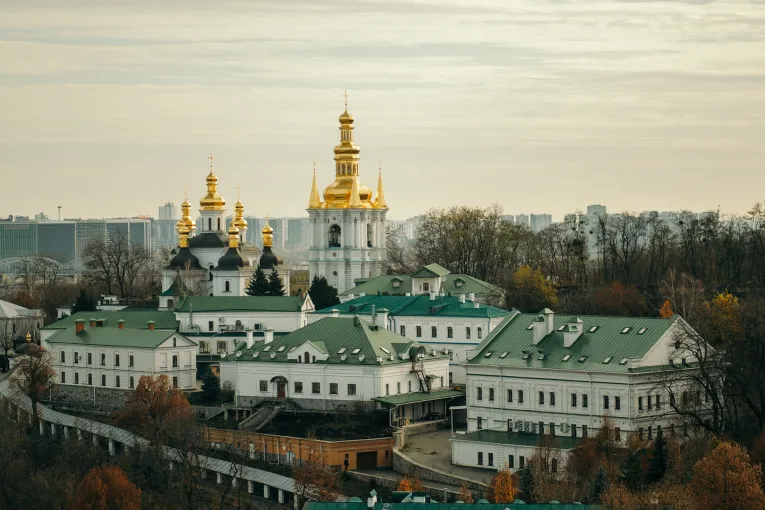
This route centers on two of Kyiv’s most significant cultural and historical landmarks: the Kyiv-Pechersk Lavra and the War Museum and its iconic Motherland Monument. Along the way, you’ll come across murals, photo-worthy corners, striking architecture, and city panoramas. It’s an ideal choice for travelers who want a deeper understanding of the country.
Before you go:
- This is a fairly busy itinerary. Both the Kyiv-Pechersk Lavra and the War Museum can take 2–3 hours each to explore thoroughly. Starting before 10:00 a.m. is recommended, or consider splitting the Lavra and the museum across two days.
- Most of the route is walkable, but there is one short stretch by public transport, so it helps to get familiar with Kyiv’s public transport system in advance.
Route map
Starting point: Klovska metro station
Morning coffee at Octo Tower
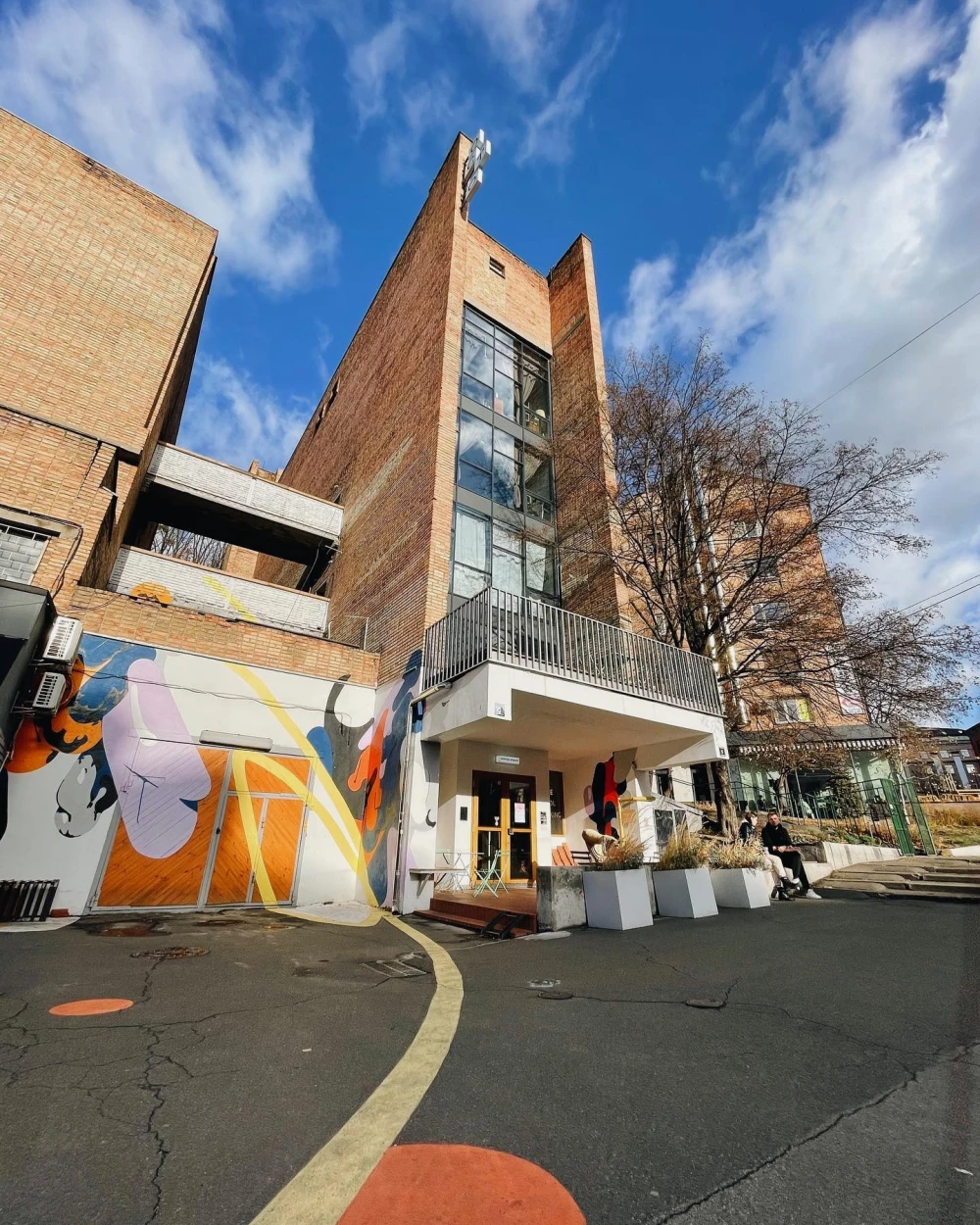
You’ll be doing a lot of walking today, so it’s best to start with coffee and take the morning at an easy pace. Right by Klovska metro station, you’ll find Octo Tower — a six-story brick building with large windows, a balcony, and graffiti at the entrance.
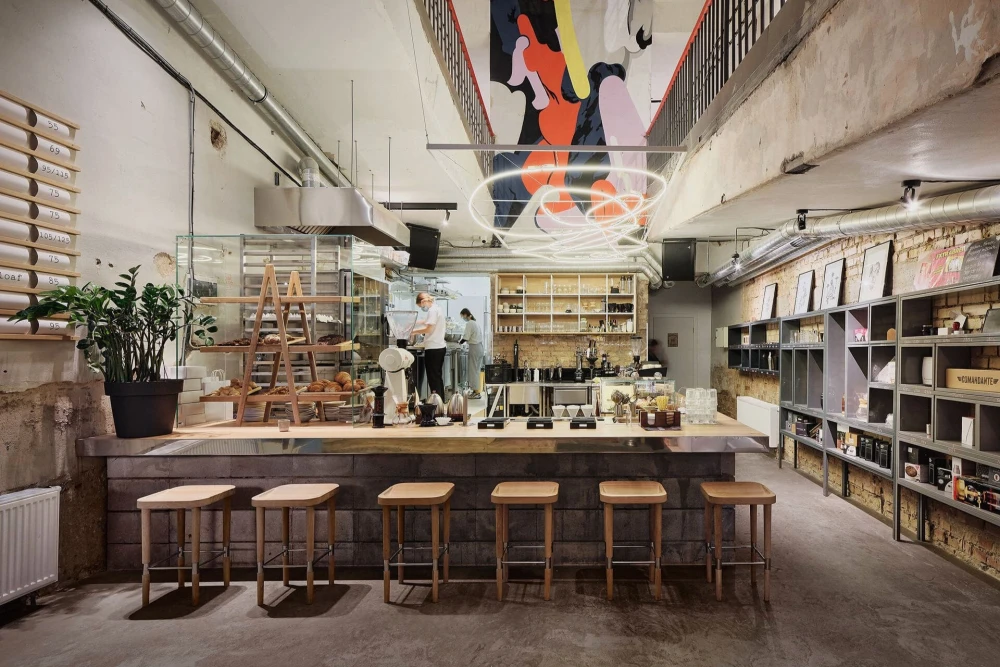
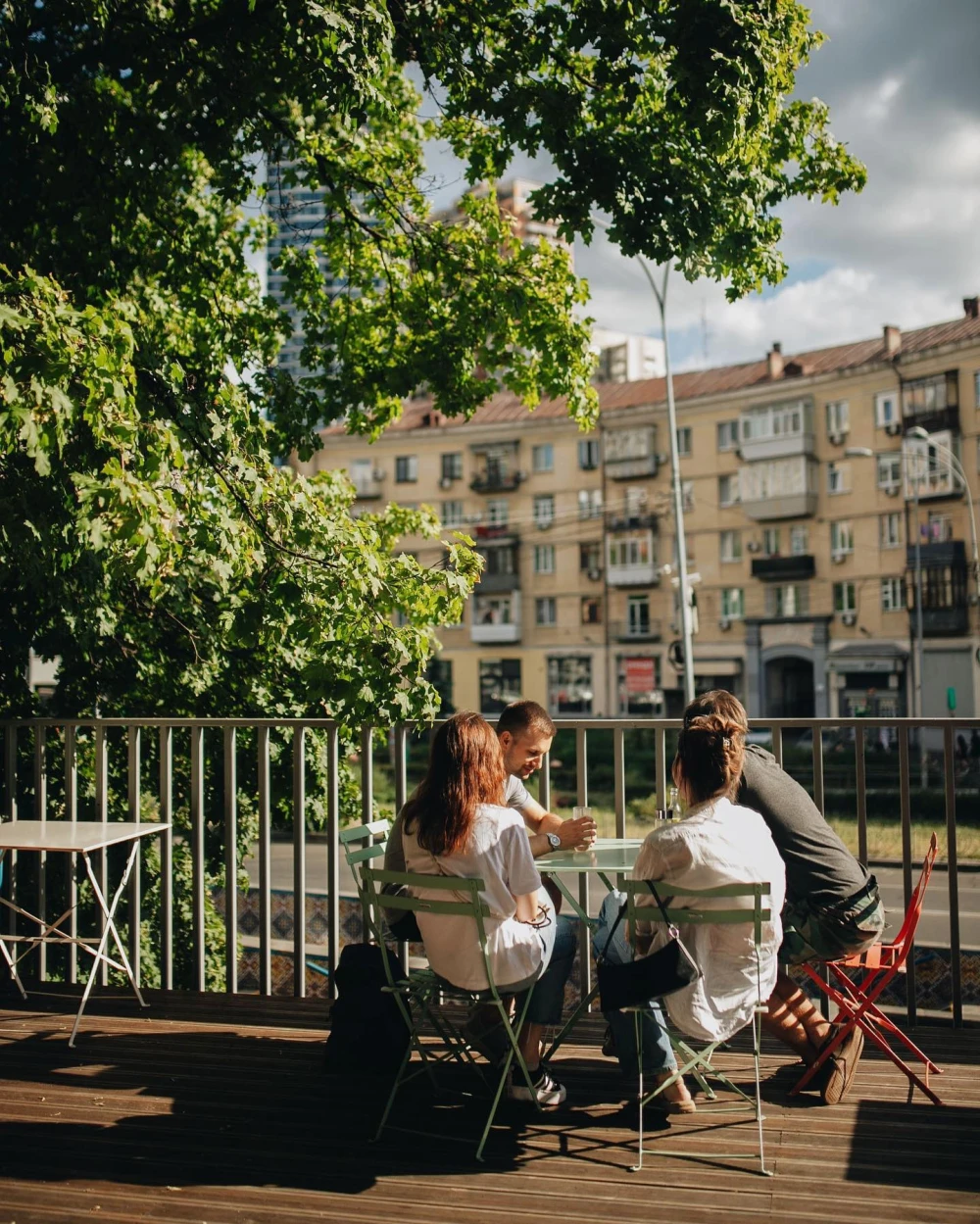
Each floor offers something different. Inside, you’ll find a bar, an art gallery, a coworking space, and a small shop. On the ground floor, the café serves excellent specialty coffee. You can grab it to go or enjoy it on one of the terraces overlooking Kyiv.
Through Pechersk to the Park of Eternal Glory
From Octo Tower, walk along Mechnykova Street toward the Park of Eternal Glory. The walk takes about 30 minutes, but it goes by quickly, with interesting places to stop every few minutes.
Klovskyi Sad
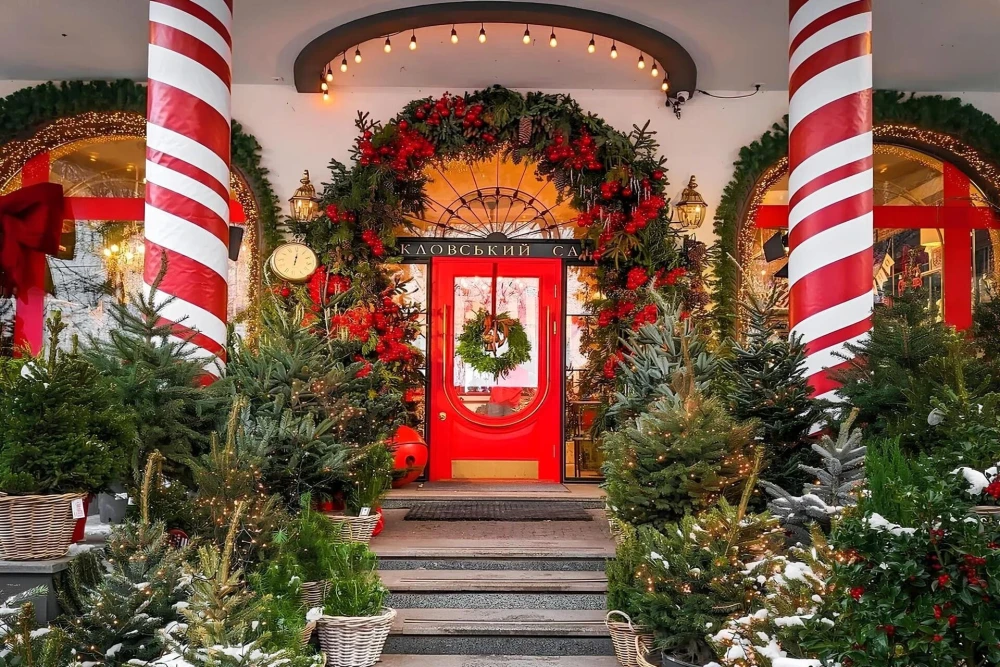
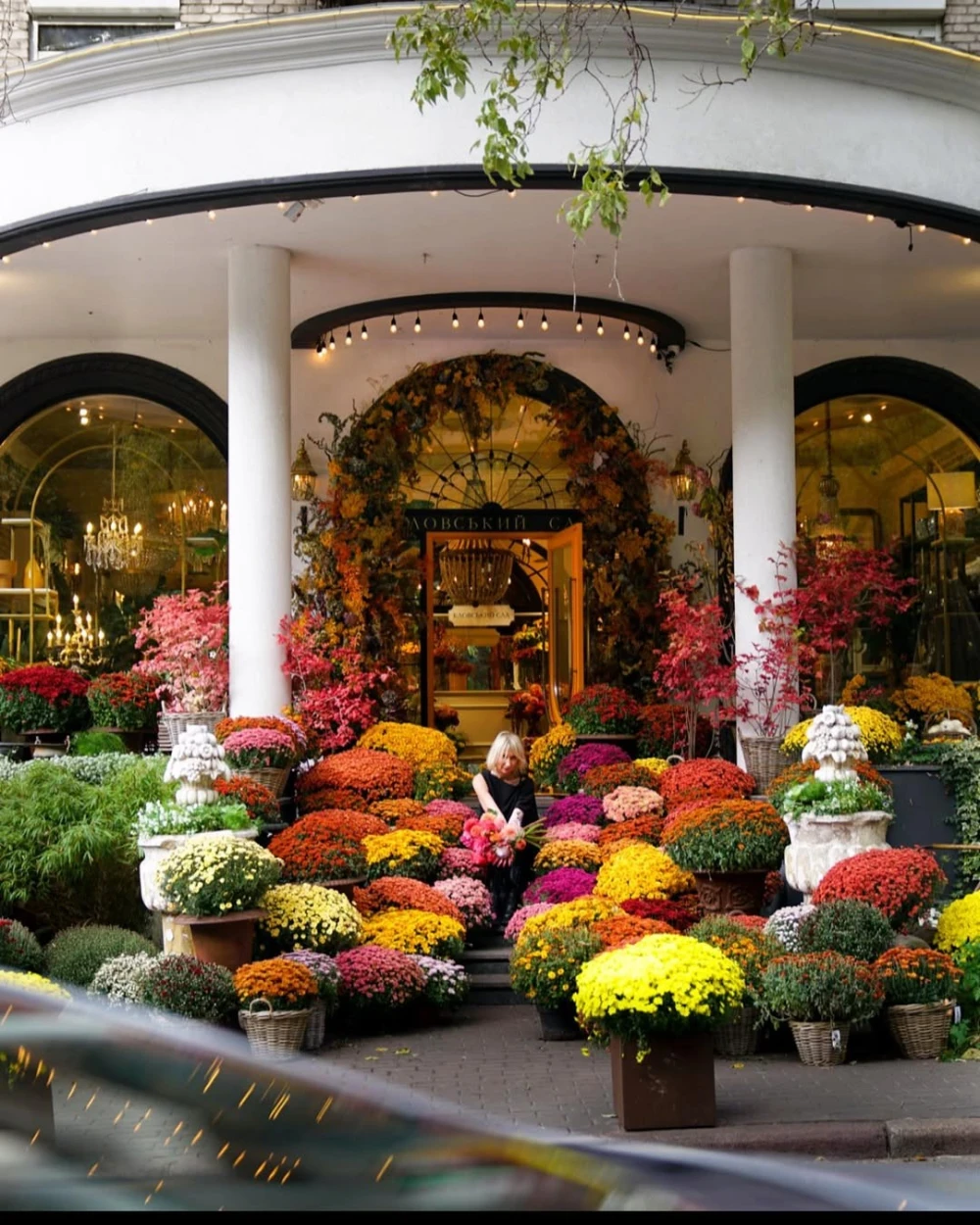
One of the first places you’ll notice is Klovskyi Sad, a flower showroom that’s hard to pass by. The entrance is almost always decorated with fresh flowers and themed installations that invite you to stop, look around, and take photos.
From time to time, they host photo days with professional photographers. A short photo session of up to 10 minutes using your own phone costs 300 UAH. That said, you can also take a few quick souvenir photos for free.
“Rise Up in the Dirt” mural
Next on the route is the Rise Up in the Dirt mural, painted on the facade of a police station near the Senator Business Center. The artwork shows a man kneeling as he helps a small flower grow through the trash around it.
Created by New York–based street artist BKFoxx, the mural symbolizes hope and the belief that something beautiful can emerge even in difficult circumstances, through effort and persistence.

Crimean House
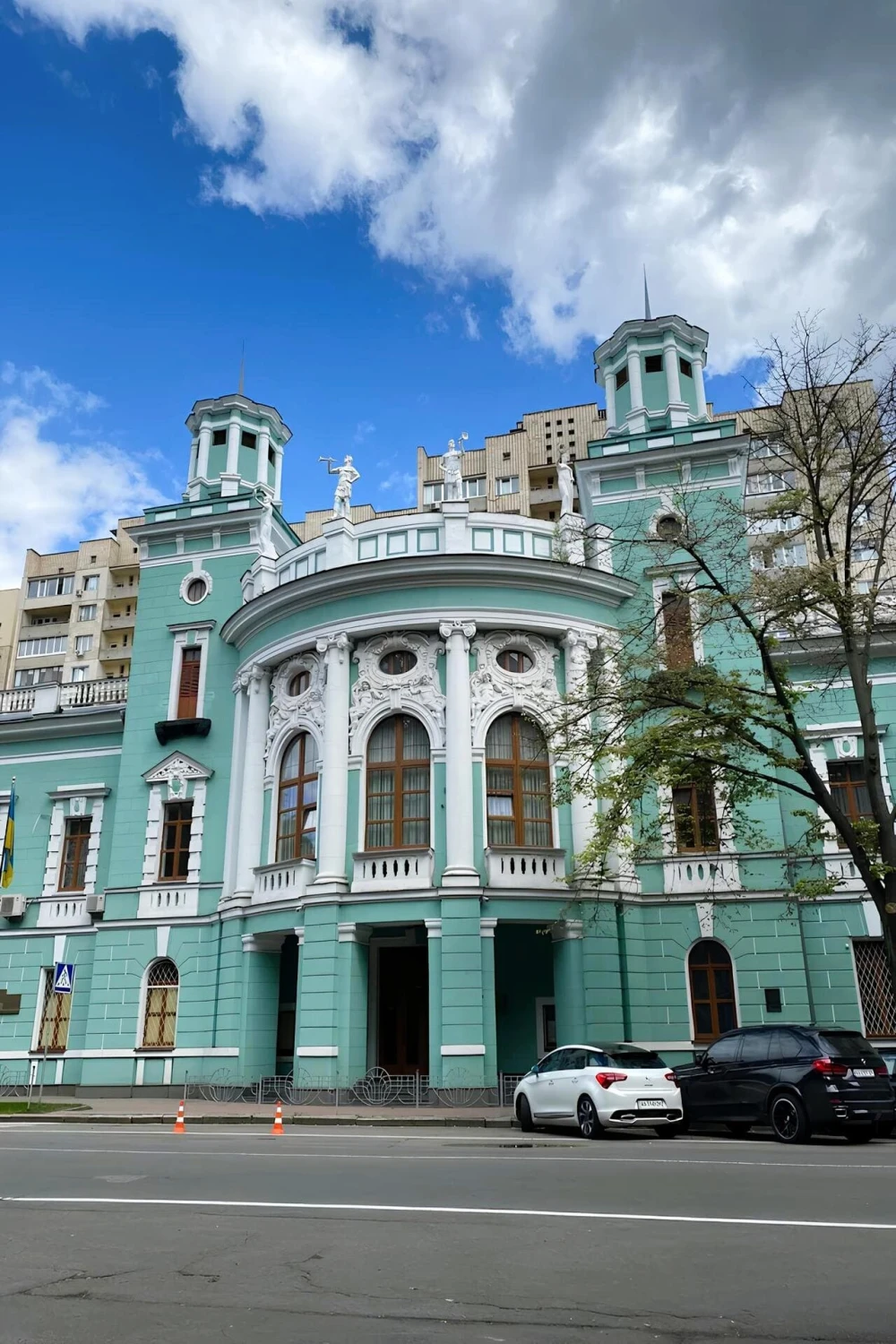
At the intersection by the mural, turn onto Mykhaila Omelianovycha-Pavlenka Street. This street will lead you toward the Park of Eternal Glory. Just a few minutes into the walk, however, there’s an interesting stop right at the beginning of the street. On your right, you’ll notice a striking emerald-green building with columns, arched windows, and decorative sculptures.
It’s hard to imagine today, but in the late 19th and early 20th centuries, this site was home to Kyiv’s first city hippodrome. It was one of the city’s main entertainment venues, hosting horse races and even early aviation shows.
Since 2015, the building has housed the Crimean House, a state-run cultural center dedicated to Crimean Tatar culture and to supporting the rights of indigenous peoples and national minorities from temporarily occupied territories. The exhibition halls are currently closed, but the building itself is still well worth a stop for its impressive facade alone.
Salut Hotel
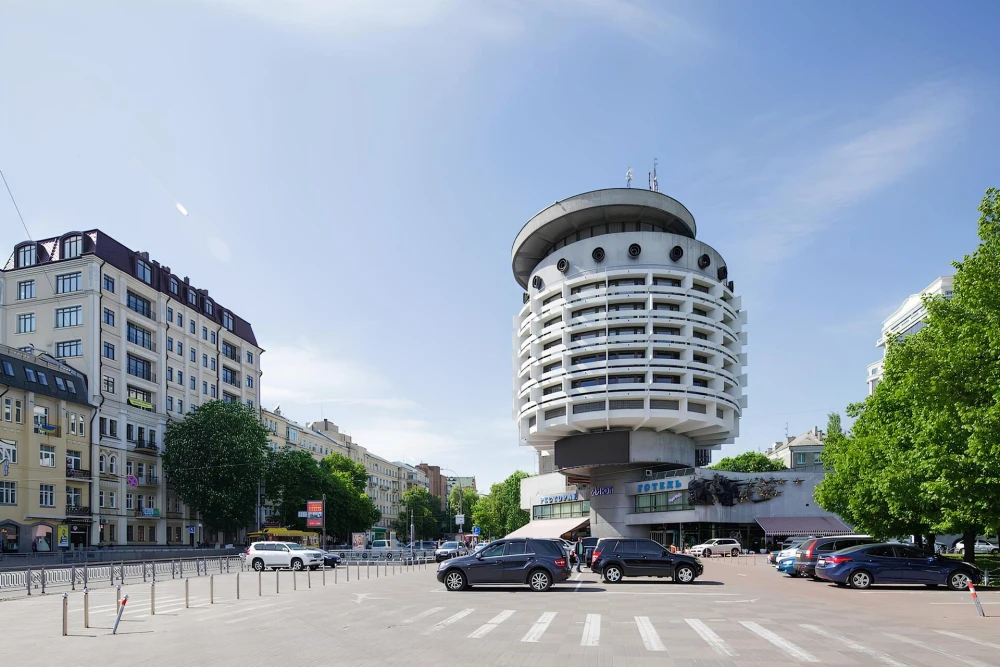
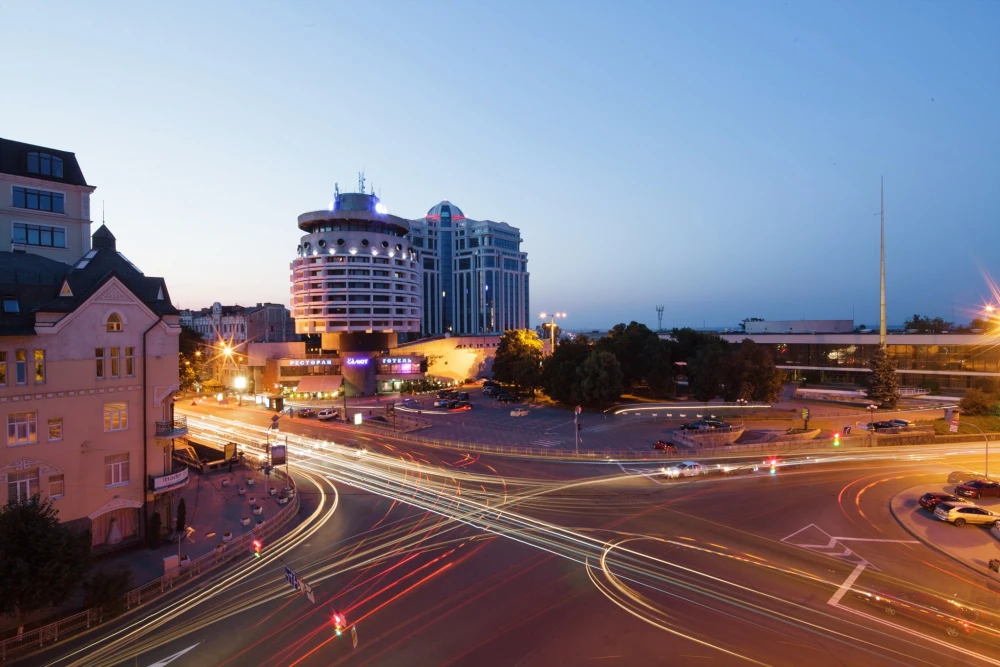
After about 15 more minutes of an easy walk from the Crimean House, you’ll come across one of the area’s most recognizable buildings — Salut hotel. With its round shape, it looks almost like a spaceship that has landed on a hill above the city.
The building was constructed on the site of the former bell tower of the Military St. Nicholas Cathedral. Today, Salut is considered a striking example of Ukrainian modernism and has long become a visual symbol of Kyiv as well as a popular photo spot. The hotel is still operating and offers rooms with panoramic views over the city.
Park of Eternal Glory
Directly across the street from Hotel Salut begins the Park of Eternal Glory — a quiet, reflective space with sweeping views over the city and the golden domes of the Kyiv-Pechersk Lavra. It is one of Kyiv’s most important memorial areas and is home to several key landmarks of national memory, including:
- The Eternal Glory Memorial, dedicated to those who died in World War II
- The Holodomor Victims Memorial, honoring the millions of Ukrainians who perished during the man-made famine of 1932–1933.
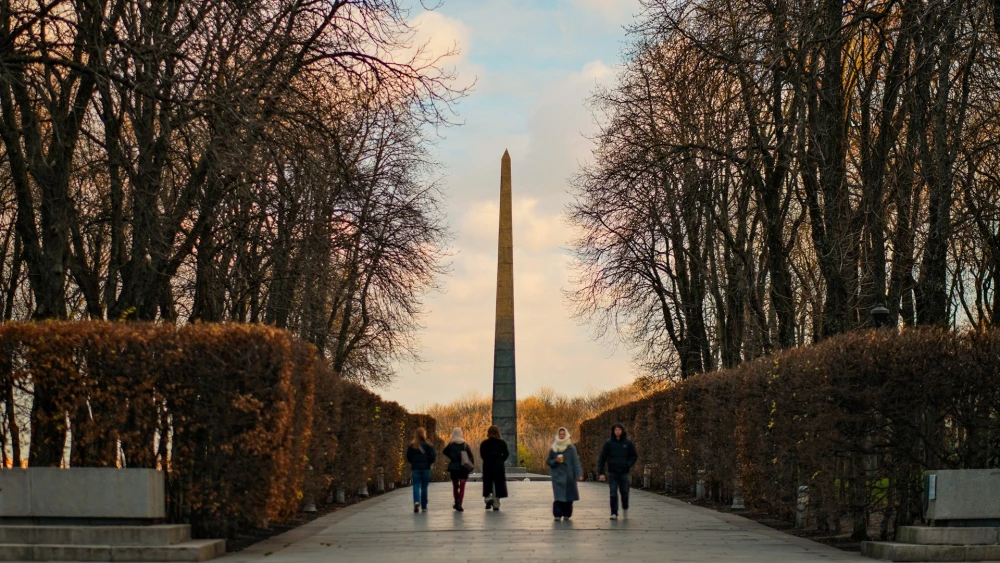
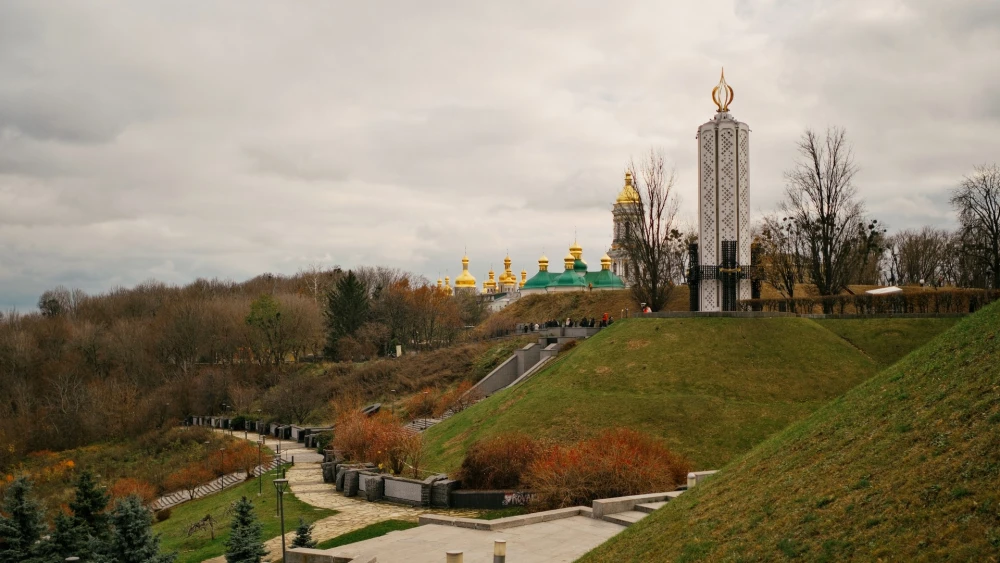
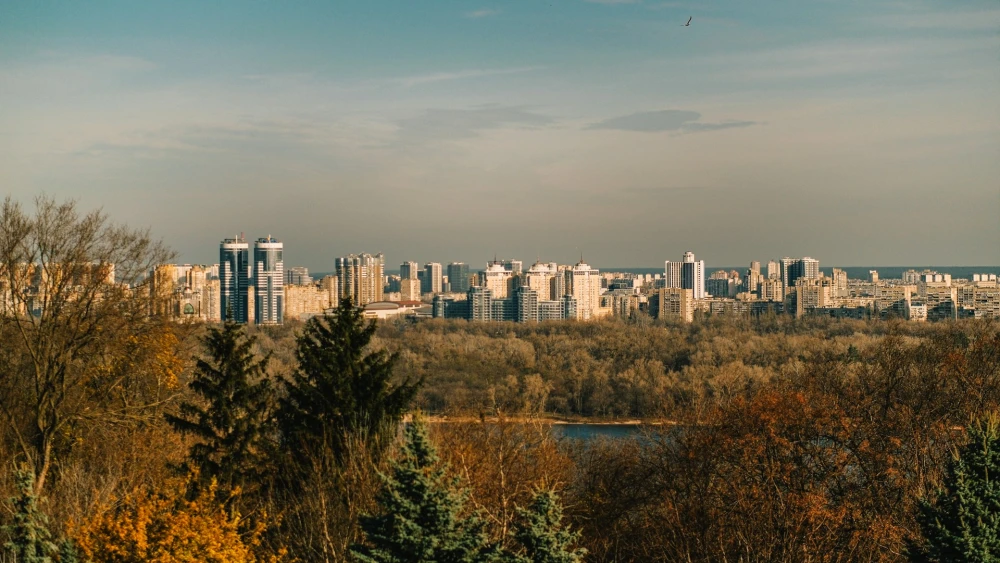
After about 15 minutes of relaxed walking, you’ll reach the next stop on the route — though many visitors find themselves staying longer. The views from here are genuinely striking, so keep your camera ready.
Kyiv-Pechersk Lavra
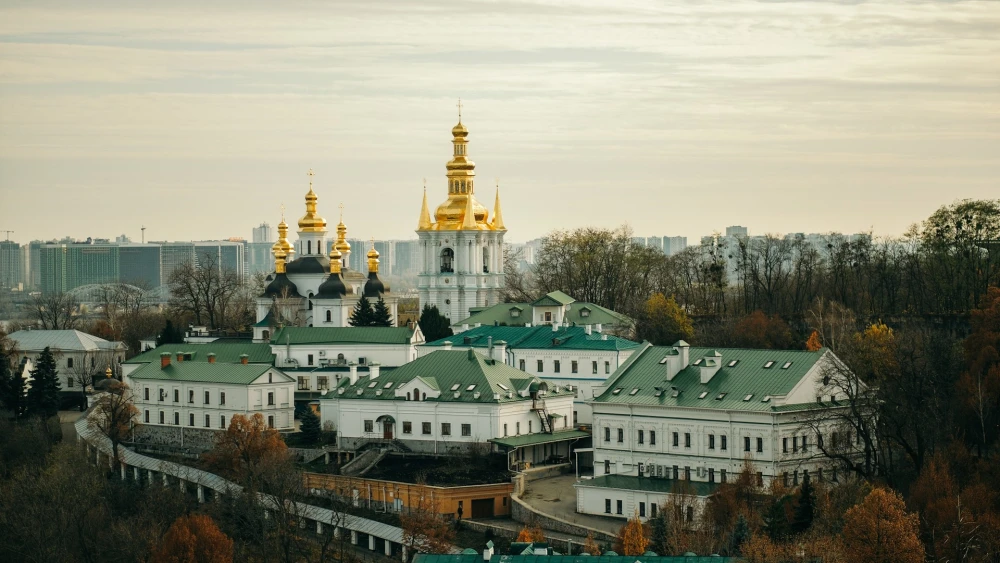
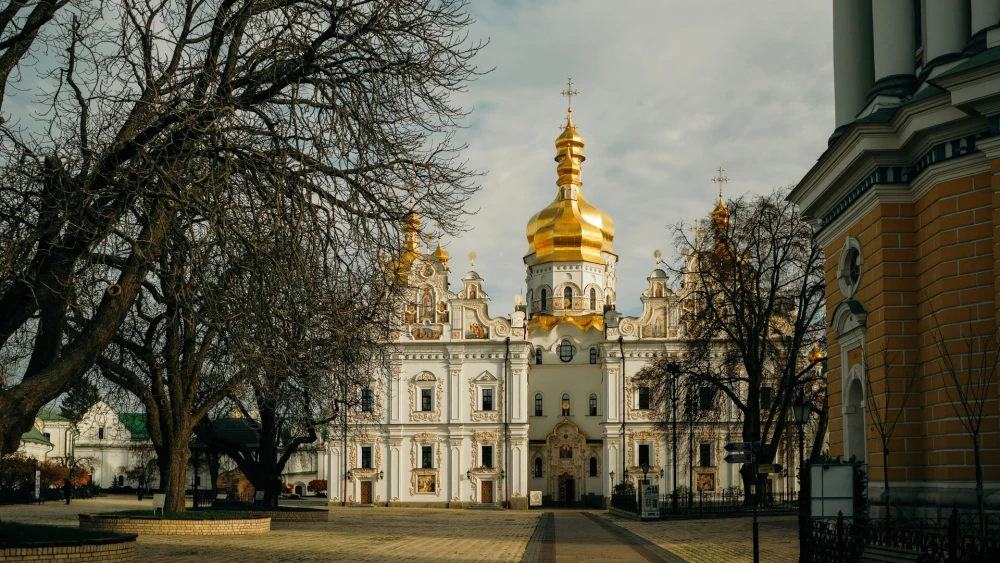
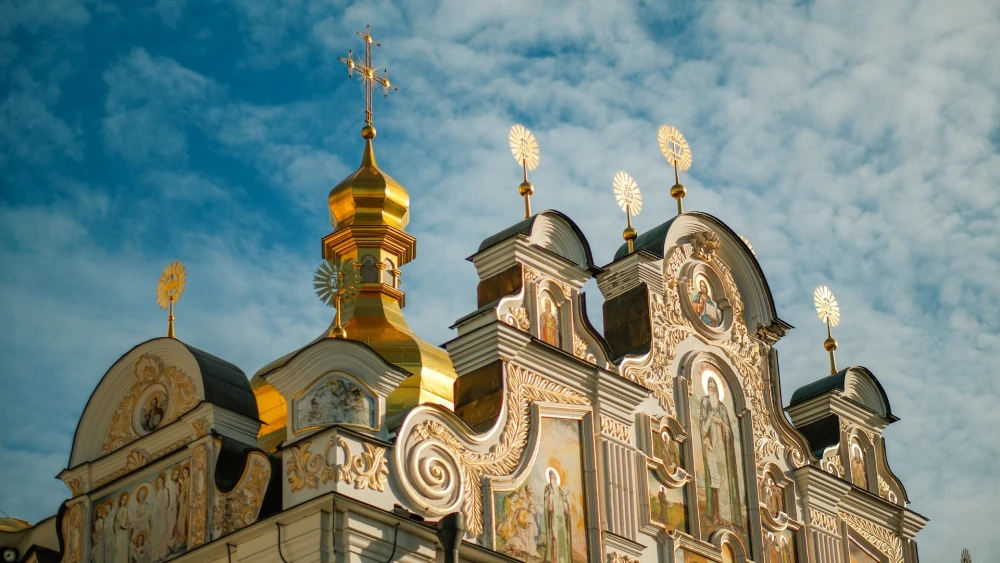
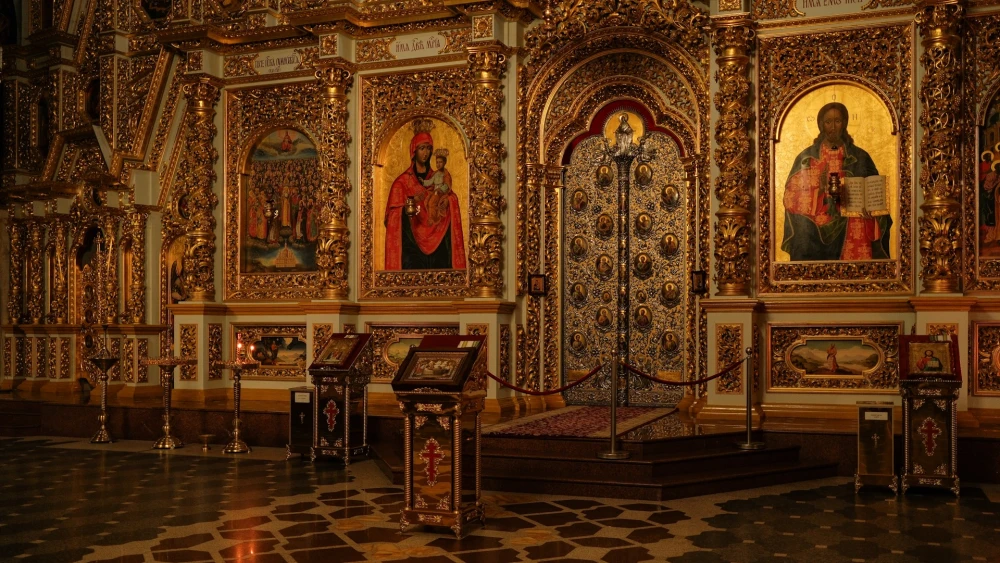
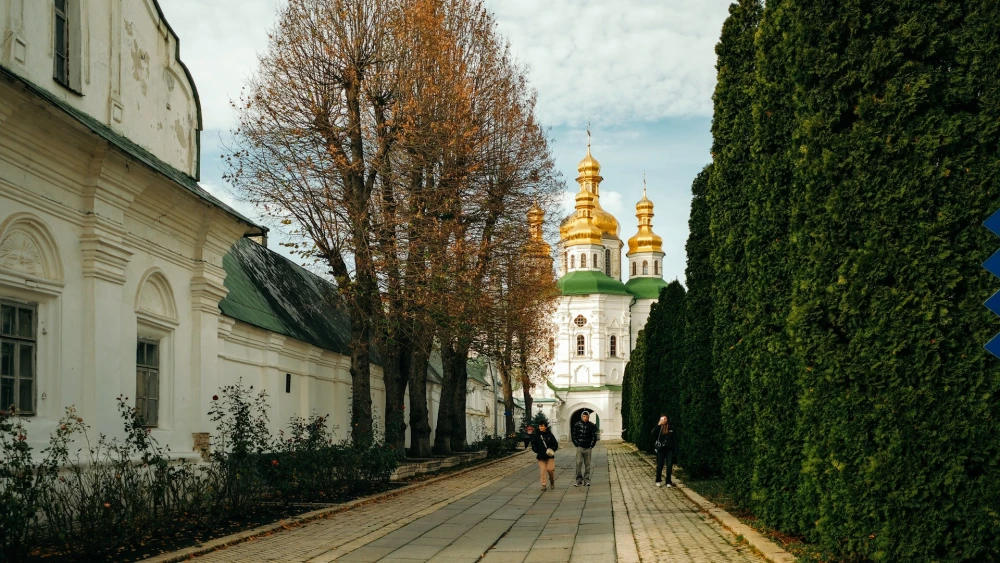
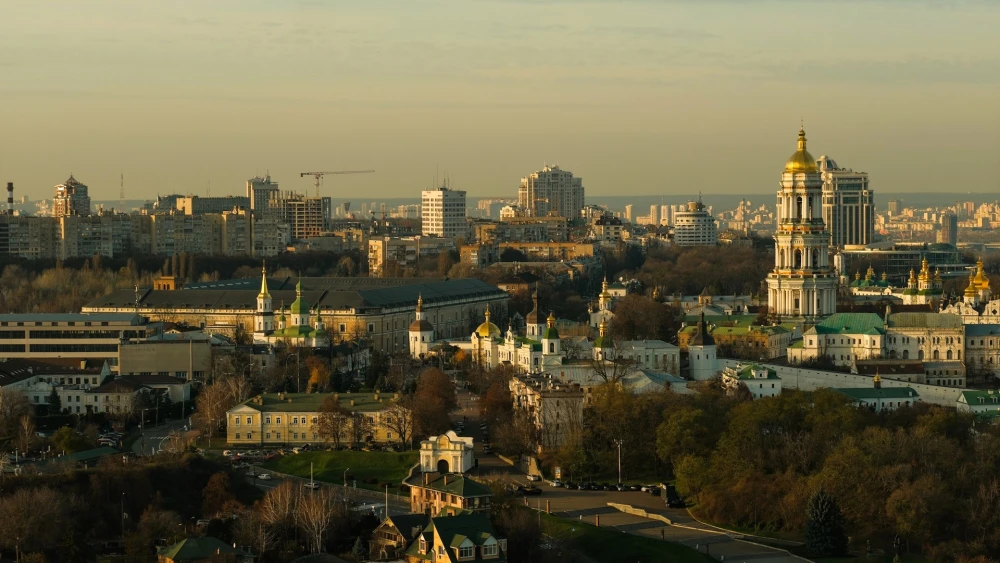
Next, the route brings you to the Kyiv-Pechersk Lavra — one of Ukraine’s oldest and most important sacred sites, founded in 1051. This is a key stop on the itinerary and a place where it’s worth slowing down. The Lavra brings together history, architecture, and atmosphere that have shaped Kyiv for centuries.
As you explore the grounds, you’ll see grand churches, frescoes, and icons, visit several notable landmarks and museums, and have the chance to climb the Great Lavra Bell Tower — one of the best viewpoints in the city. Simply walking around the complex is a pleasure in itself: the grounds are spacious, well maintained, and especially pleasant in warm weather.
Key places within the Lavra include:
- Trinity Gate Church;
- Dormition Cathedral;
- Museum of Historical Treasures of Ukraine;
- Museum of Microminiatures;
- Theological schools.
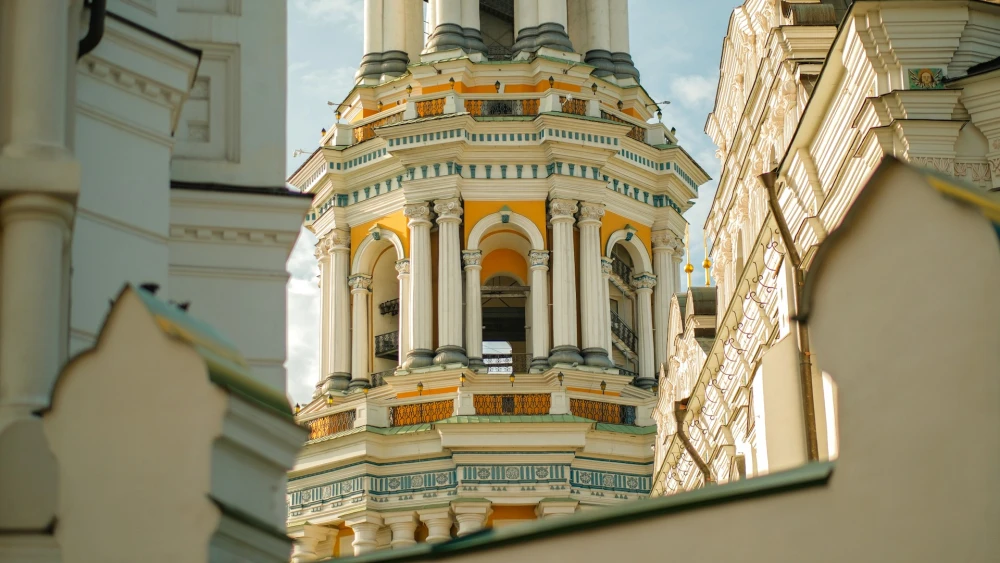
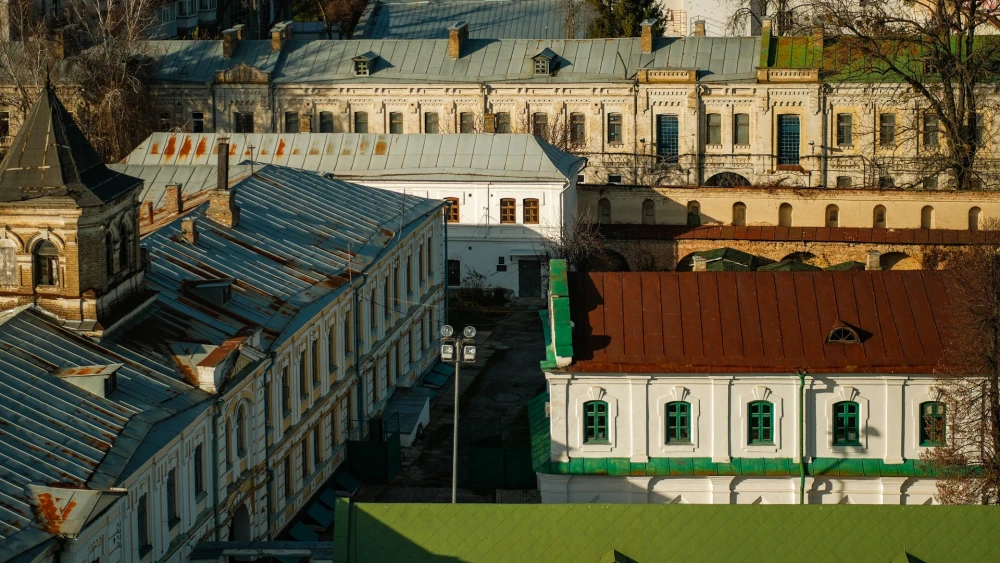
Opening hours: daily, 9:00 a.m.–6:00 p.m.
Tickets: 200 UAH for adults, 100 UAH for schoolchildren and students. The ticket includes access to the 1st and 3rd levels of the bell tower. Guided tours are also available; up-to-date booking information can be found on the official website.
You can end your walk here, but if you still have the energy and 2–3 free hours, continue on to the War Museum — it’s about a 15-minute walk from the Lavra.
Motherland Monument and the War Museum
The Motherland Monument is visible from far away, but seeing it up close is a completely different experience. Including its pedestal, it rises 102 meters high, making it one of the tallest monumental sculptures in Europe. From its observation decks, the views stretch wide over the Dnipro River, the Left Bank, and the green hills of Pechersk.
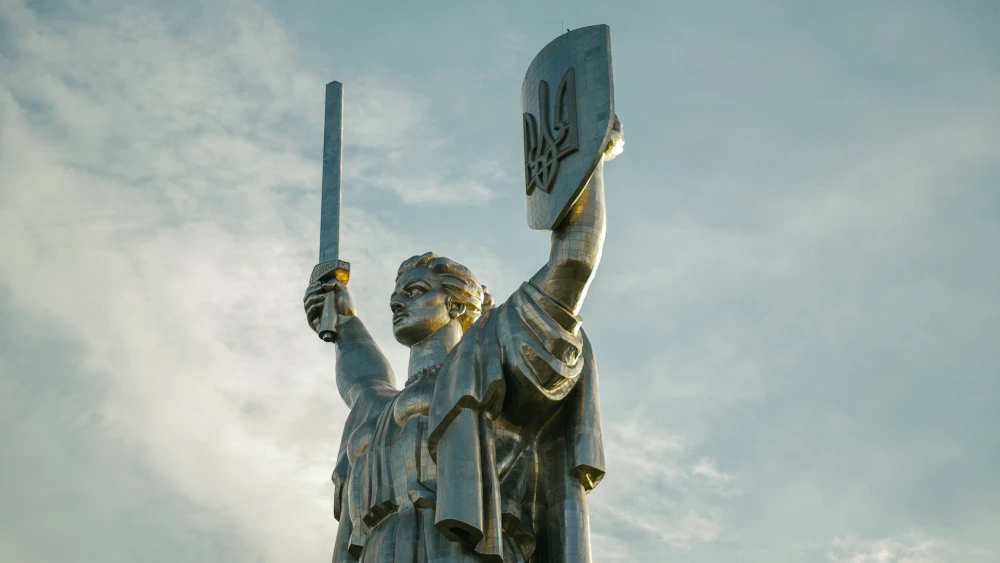
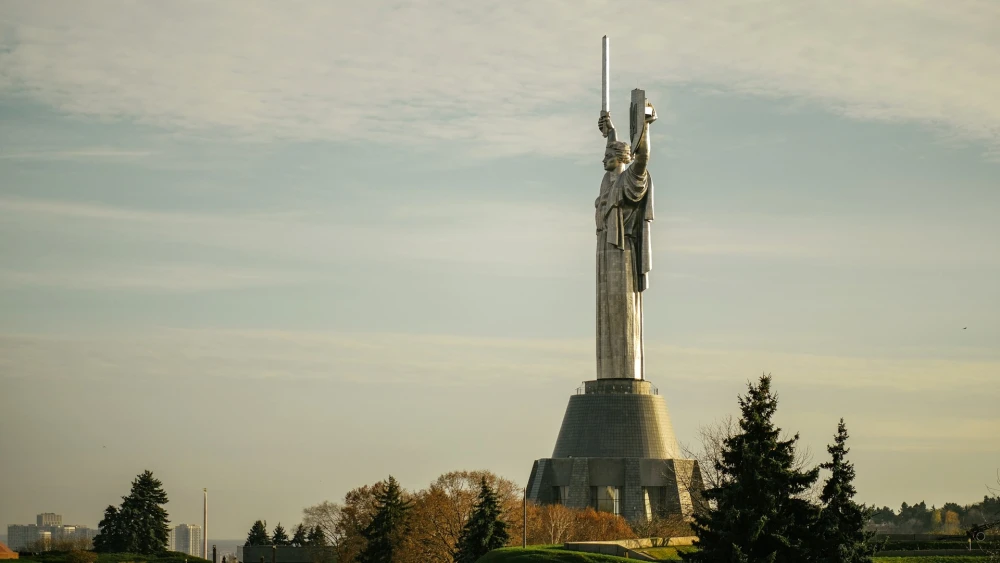
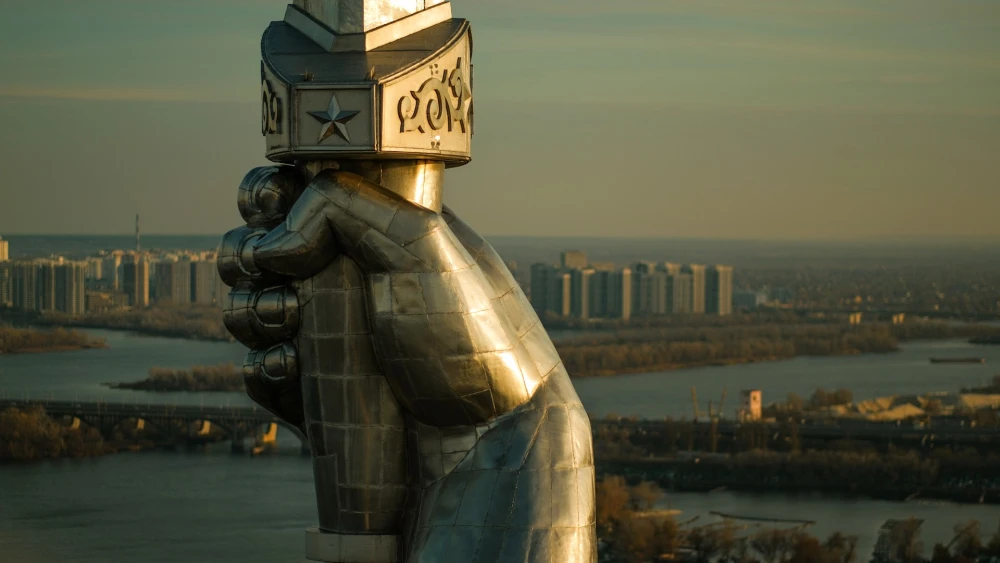
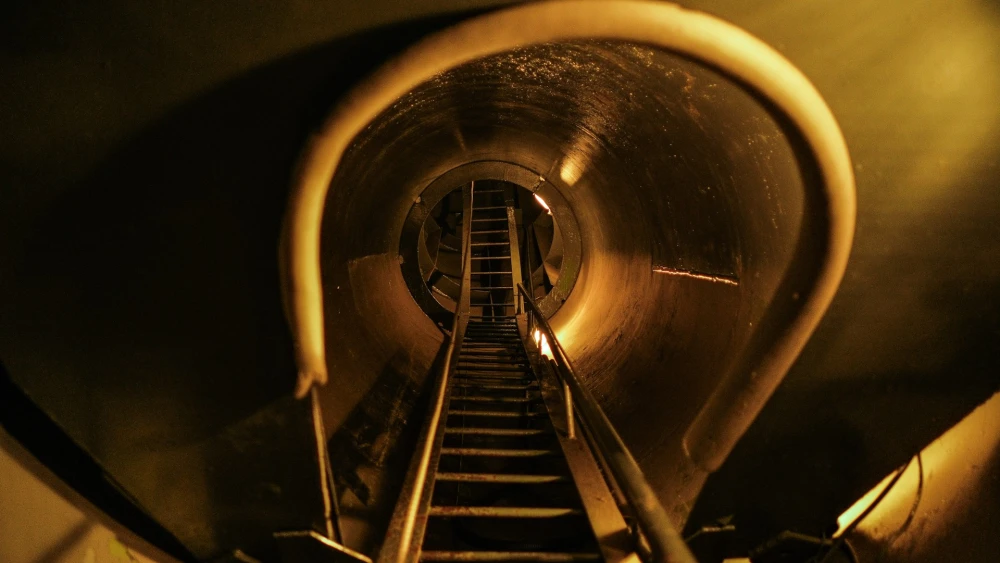
Directly beneath the monument is the War Museum — a challenging but important place to visit. Inside, you’ll find:
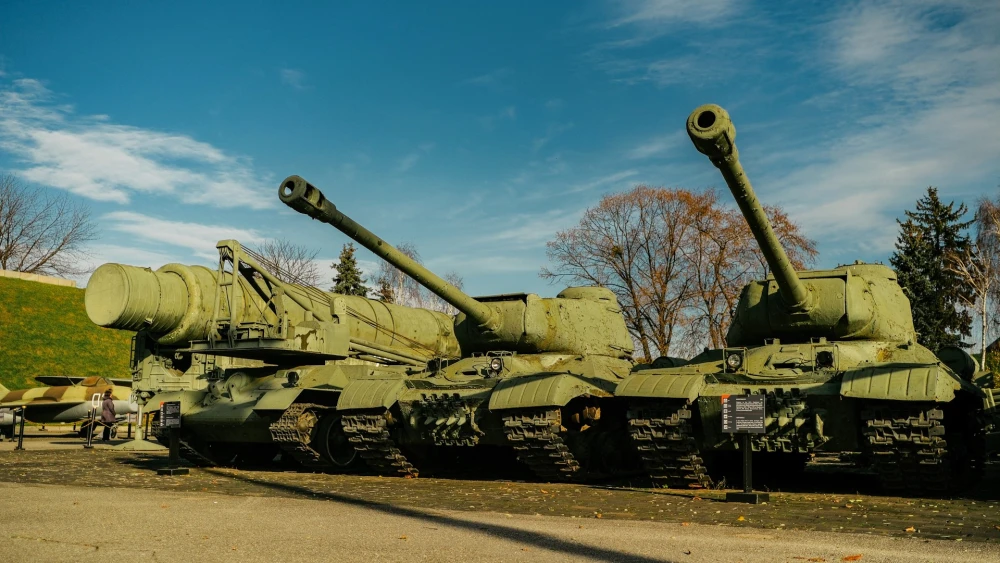
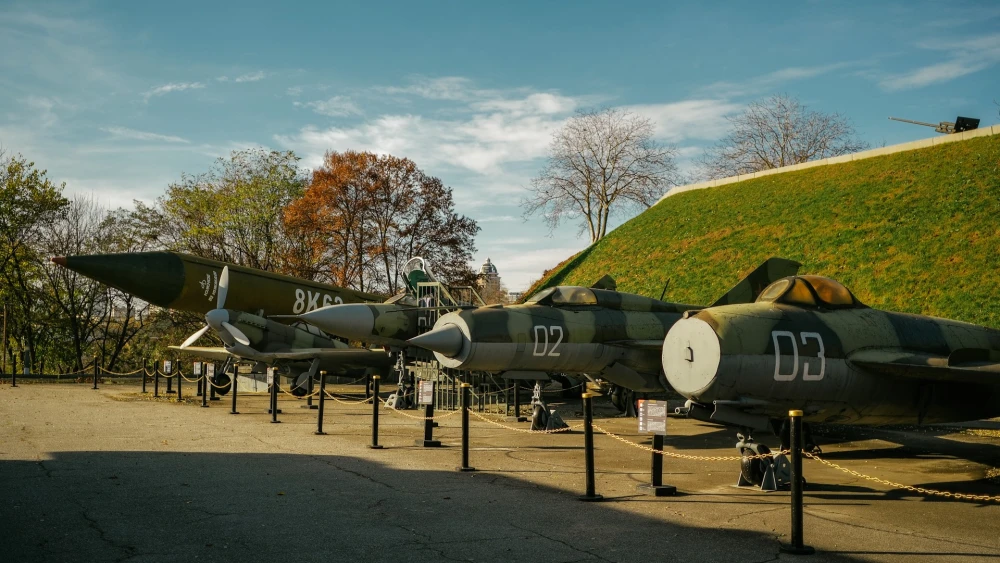
- An open-air exhibition of military equipment used in combat, including fighter jets, aircraft, helicopters, and tanks. Some of the vehicles are open to visitors, allowing you to step inside.
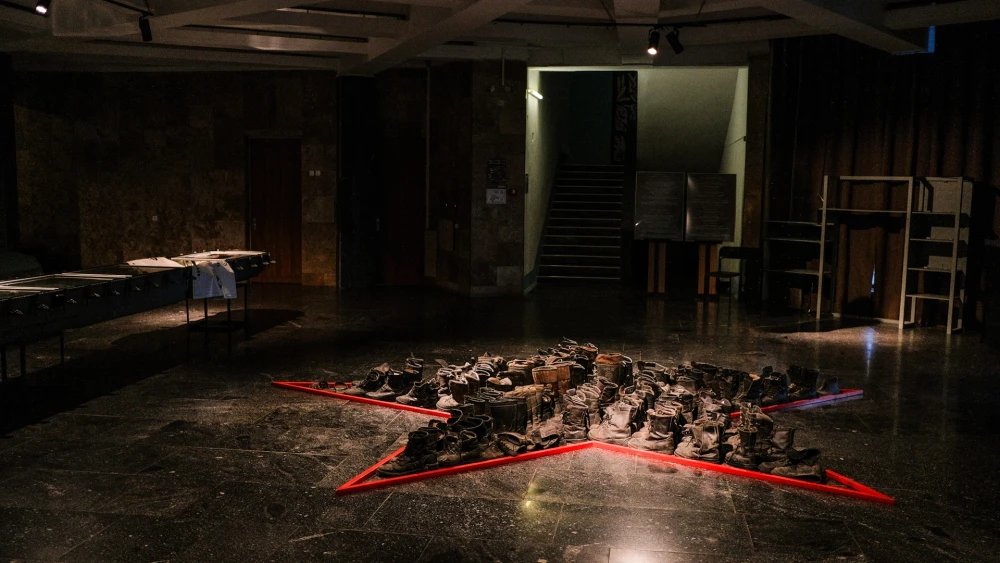
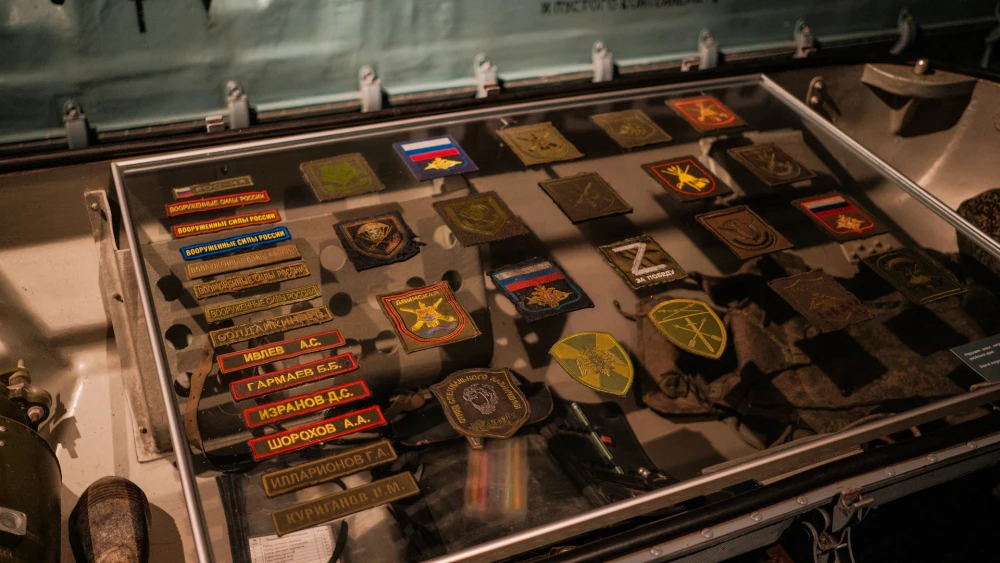
- The main museum collection, with over 400,000 artifacts related to 20th-century wars on Ukrainian territory — from uniforms and weapons to documents, photographs, and personal belongings of both soldiers and civilians.
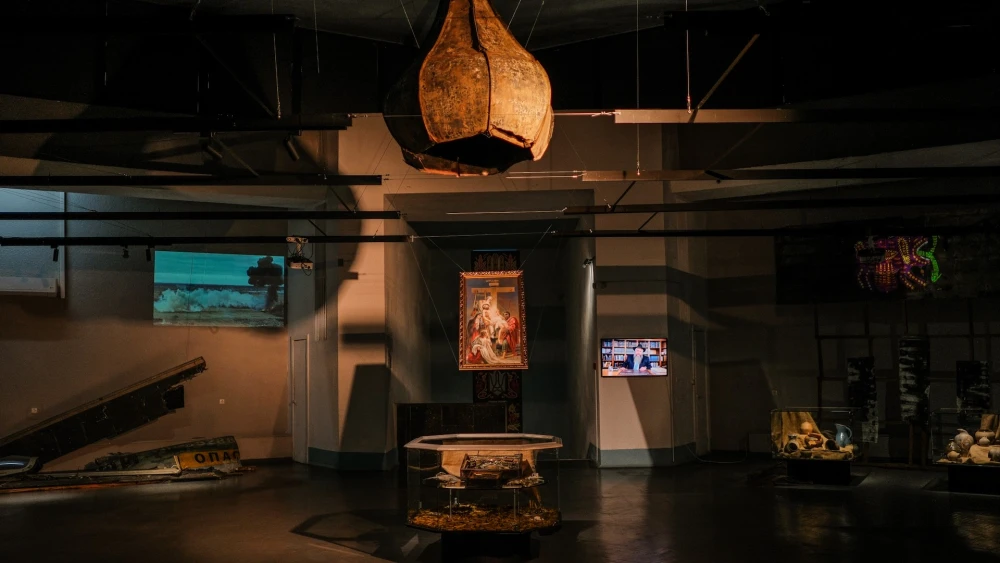
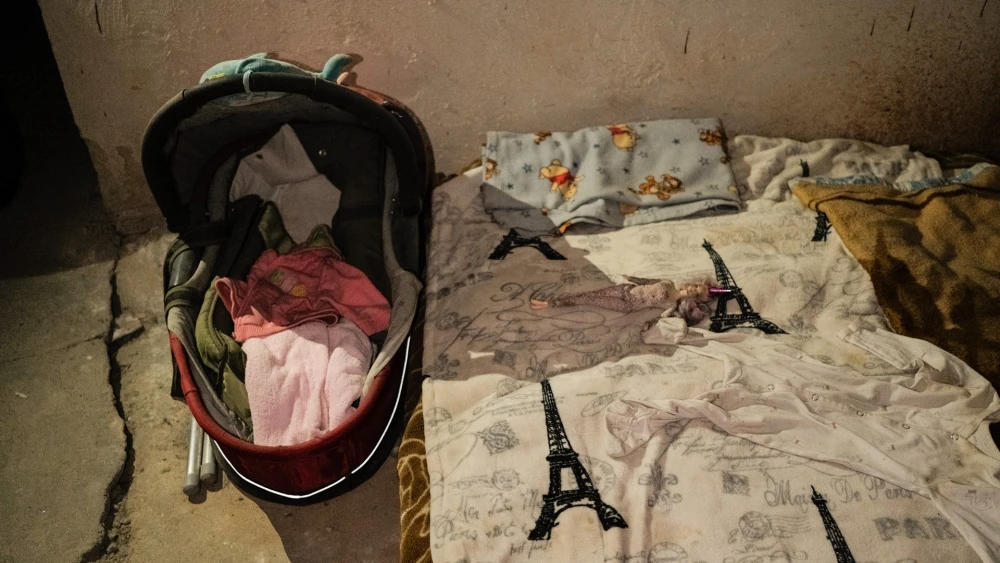
- The exhibition “Ukraine. Crucifixion”, dedicated to events of the Russian–Ukrainian war since 2022. It features real objects brought from de-occupied towns and villages in the Kyiv and Chernihiv regions. Among the most striking exhibits are the icon The Descent from the Cross with a fragment of a Russian mine, as well as a reconstructed basement shelter where civilians hid during occupation.
The exhibition has received international awards and was nominated for European Museum of the Year 2024.
Opening hours:
Tue–Fri: 10:00 a.m.–4:00 p.m.
Sat–Sun: 10:00 a.m.–5:30 p.m.
Tickets:
- War Museum: 100 UAH
- Exhibition “Ukraine. Crucifixion”: 70 UAH
- Observation deck at the base (36.6 m): 150 UAH
- Observation deck on the shield (91 m): 1,000 UAH (advance booking required)
Kyiv Food Market
The cultural and educational part of the route comes to an end here, making this the perfect moment for a final stop to eat and take a break.
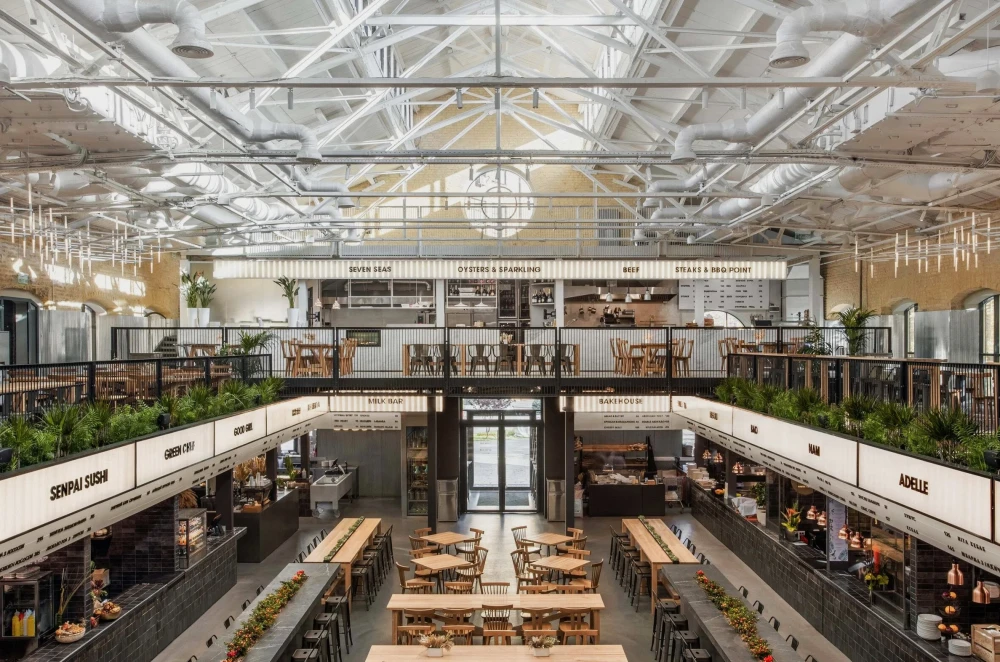
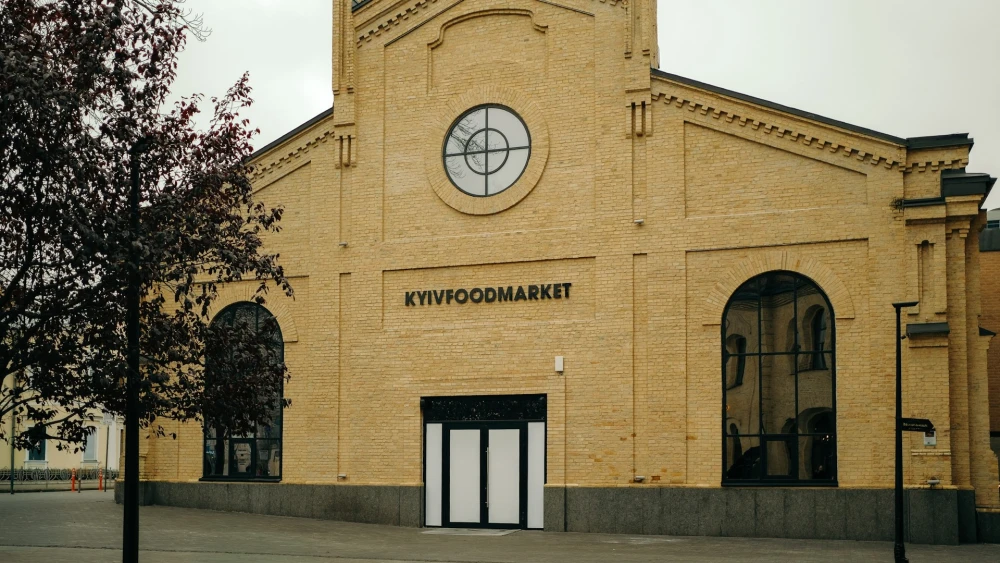
Bus No. 24 or trolleybus No. 38 will get you to Kyiv Food Market in about 10 minutes. It’s the largest food hall in the city, with around 20 food stalls offering something for every taste, from Ukrainian classics to international street food. The food hall format makes it easy to mix and match. You can grab pizza at Mimosa, try varenyky at Malva, and finish with dessert from Milk Bar.